

Spider Monkey forest visit with Mayan community
Spider Monkey forest visit with Mayan community
Experience a one in a lifetime experience through the Mexican jungle guided by as local mayan guide. They will transmit all their knowledge of the forest and you can enjoy seeing animals up close. You can then refresh yourself by jumping into the crystal clear water of a Cenote. You are also helping local communities who run this experience from start to end.
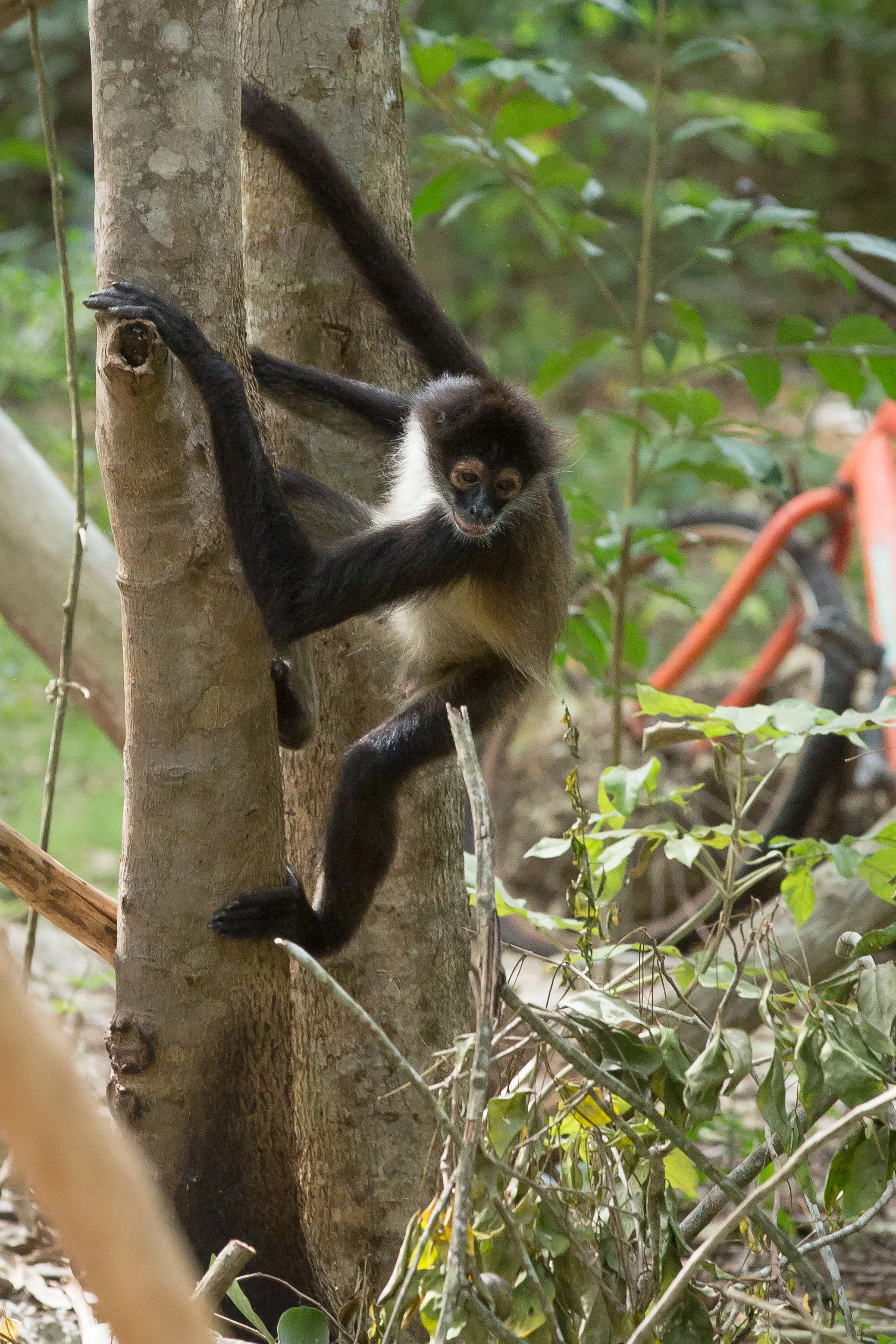
In addition to the substantial population of spider monkeys, the reserve is also home to howler monkeys, dozens of species of tropical birds, and a diverse array of plant species including ceiba and sapodilla trees.
Children of all ages are welcome! The tour experience is family-friendly and fully customizable to your preferences. It is the perfect mix of thrilling and regenerative experience.
The tour is run in English, Spanish. You just need to indicate your preference during the booking process. The tour duration is around 4 hours. It is a short drive from Cancun, Playa de Carmen or Tulum. We can organize pickup. The default start time is at 10:00 am but we can be flexible between 09:00 and 2pm depending on preference and availability. The monkeys are most active in the mornings and evenings.
Highlights
- Explore the Mayan jungle with a friendly local guide by your side.
- Walk through the jungle or get an adrenaline rush on a zip-line.
- Enjoy a private, guided experience just for you.
- Meet and interact with local Mayan people.
- See tropical monkeys in the wild.
- Canoe in the lagoon in the middle of the jungle
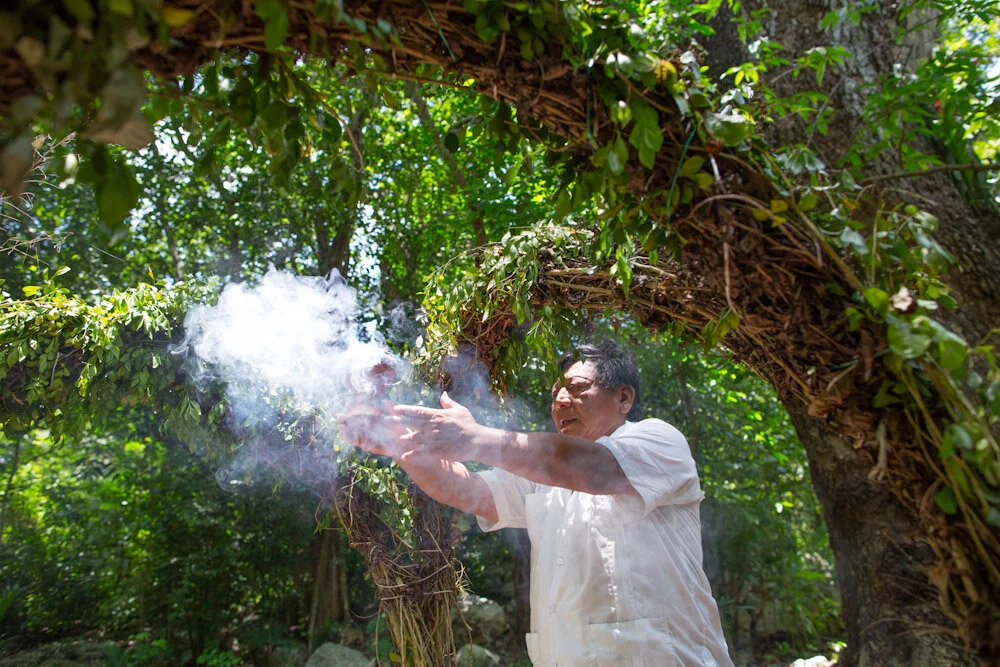
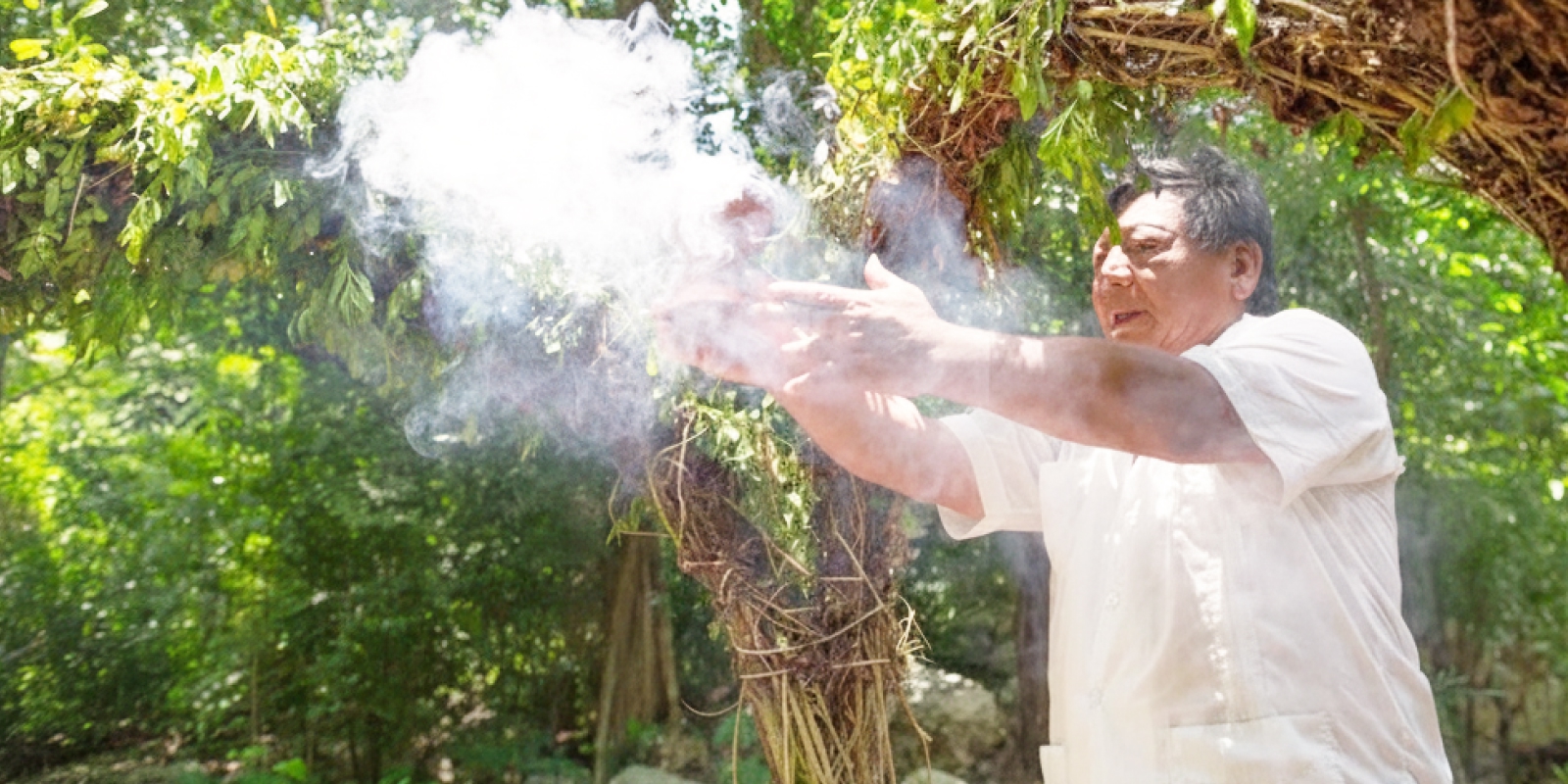
- Experience a Mayan purification ceremony
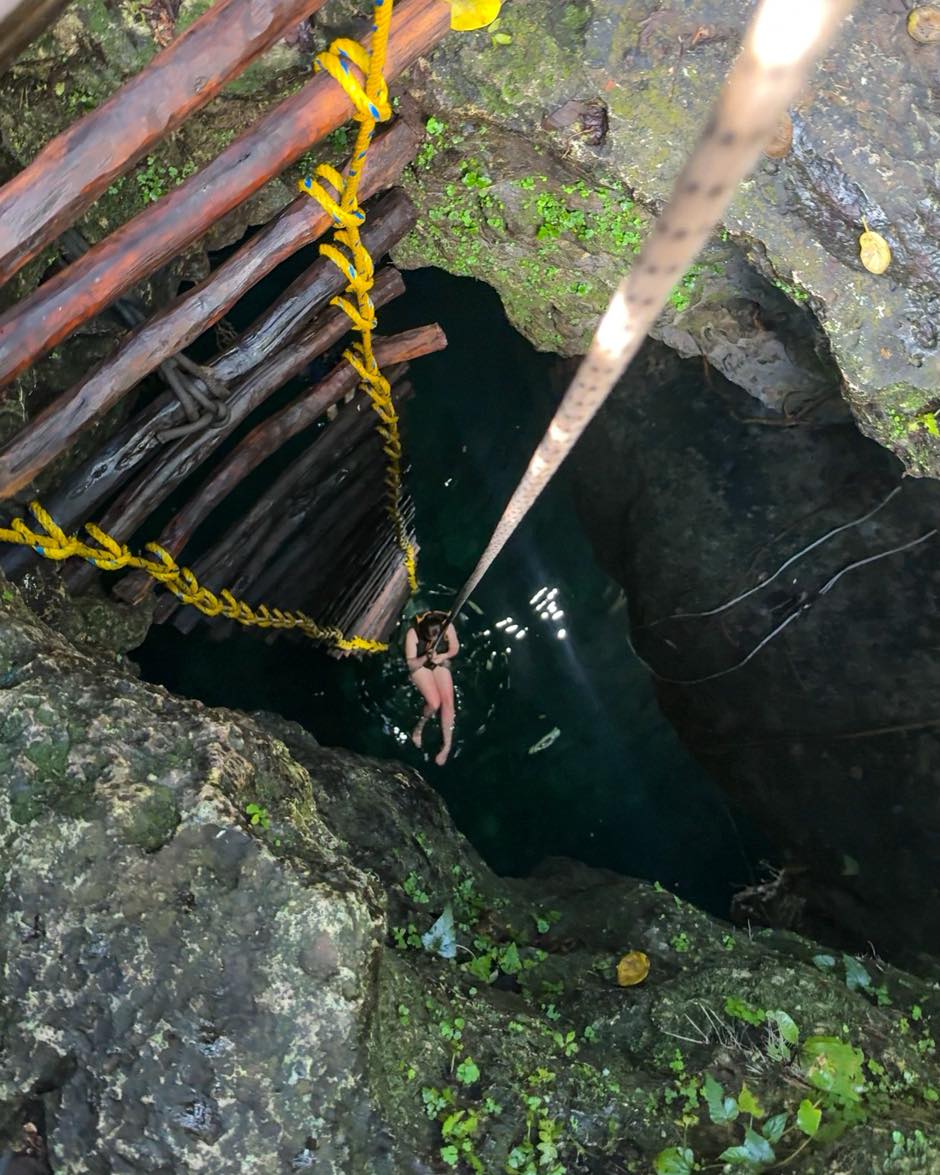
- Rappel into a Cenote (optional)
Includes
- Private Guide
- Equipement for Zip line
- Canoe across the river
- Rappel into a Cenote (optional)
- Entry fees for the Monkey sanctuary
Excludes
- Lunch
- Towel
- Alcoholic drinks
- Transport
We can also offer different options for transportations from Tulum, Cancun, or Playa de Carmen with different vehicles depending on the size of the group. Please reply to the confirmation email or whatsapp us to arrange.
What to bring
- What should I wear?
Prepare to be outdoors. Comfortable, light-weight clothing and good walking shoes are
best.
- What should I bring?
Sunscreen and bug spray are recommended. A bathing suit and towel are also encouraged
if you want to go swimming in the lagoon or the cenote.
Meeting point
Punta Laguna

Spot wild spider monkeys with a local guide, which supports the local community and their conservation of the forests and wildlife.
Full refund with self-cancellation up to 1 day before start time
Reviews
Rating distribution

Great experience and a short drive from Playa Del Carmen! We were so happy we got to catch a few pods of spider monkeys. The lagoon was also so beautiful and peaceful. We really enjoyed our time.
Frequently Asked Questions
You will be helping
Punta Laguna
Punta Laguna holds a significant place in the Yucatán's history, with archaeological evidence pointing to a persistent Maya presence spanning nearly two millennia. The site, which features over 200 structures built around a central lagoon, was actively occupied from the Middle Preclassic through the Postclassic periods. Perhaps most compelling is the site's cenote, which served as an ancient Maya mortuary deposit where the remains of over 120 individuals were ritually interred over time. The artifacts recovered, including ceramic vessels and imported obsidian, demonstrate the site's importance and its connections to wider trade networks within the Maya world. The modern history of Punta Laguna is centered entirely on conservation. The land has been consciously protected by its local indigenous Maya inhabitants since the 1950s. This commitment culminated in the Mexican government officially declaring the area a Natural Protected Area in 2002. In the Yucatec Maya language, the reserve is known as Otoch Ma'ax Yetel Kooh, meaning "The House of the Spider Monkey and the Puma/Jaguar," clearly defining its ecological focus. The community is composed of local indigenous Maya people whose identity and livelihood are inseparable from the health of the reserve. To ensure the preservation of their heritage and habitat, the 30 or so families in the village established the Najil Tucha cooperative in 2002. This cooperative completely manages and operates the nature reserve and all associated activities. By collectively running the ecotourism program, the cooperative ensures that revenue is distributed directly among the local families, creating a strong economic motivation for continued, sustainable conservation. Furthermore, the community continues to honor its deep connection to the natural world through tradition. Local people maintain ancient beliefs, such as the idea that the lagoon is the home of the rain god Chaac and that the jungle is guarded by aluxes, mythical protectors of the land. This blend of ancient spiritual reverence and modern communal management ensures that the critical habitat for endangered species, such as the spider monkey, is carefully preserved for future generations.
Spot wild spider monkeys with a local guide, which supports the local community and their conservation of the forests and wildlife.
Full refund with self-cancellation up to 1 day before start time