Punta Laguna holds a significant place in the Yucatán's history, with archaeological evidence pointing to a persistent Maya presence spanning nearly two millennia. The site, which features over 200 structures built around a central lagoon, was actively occupied from the Middle Preclassic through the Postclassic periods. Perhaps most compelling is the site's cenote, which served as an ancient Maya mortuary deposit where the remains of over 120 individuals were ritually interred over time. The artifacts recovered, including ceramic vessels and imported obsidian, demonstrate the site's importance and its connections to wider trade networks within the Maya world.
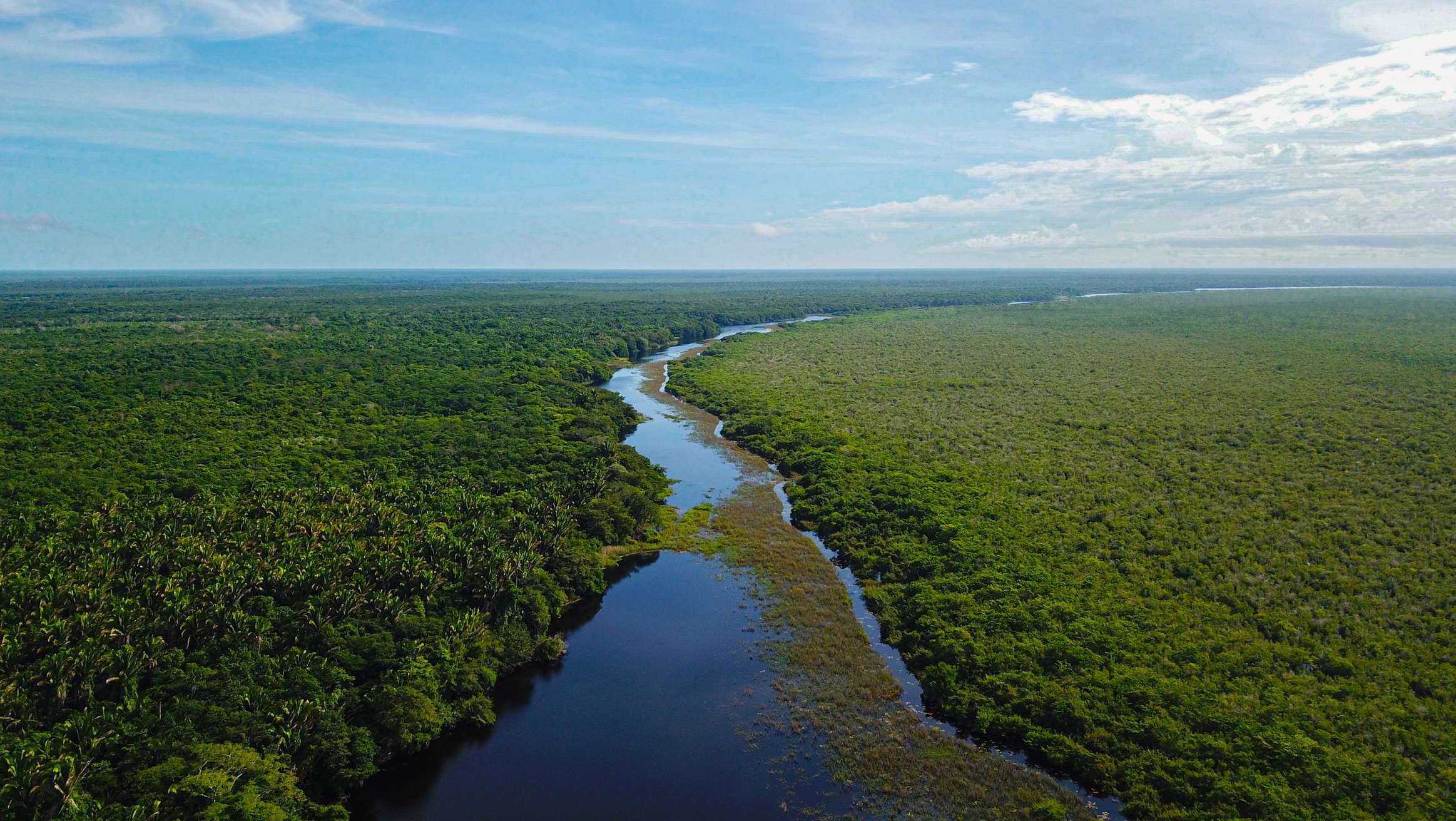
The modern history of Punta Laguna is centered entirely on conservation. The land has been consciously protected by its local indigenous Maya inhabitants since the 1950s. This commitment culminated in the Mexican government officially declaring the area a Natural Protected Area in 2002. In the Yucatec Maya language, the reserve is known as Otoch Ma'ax Yetel Kooh, meaning "The House of the Spider Monkey and the Puma/Jaguar," clearly defining its ecological focus.
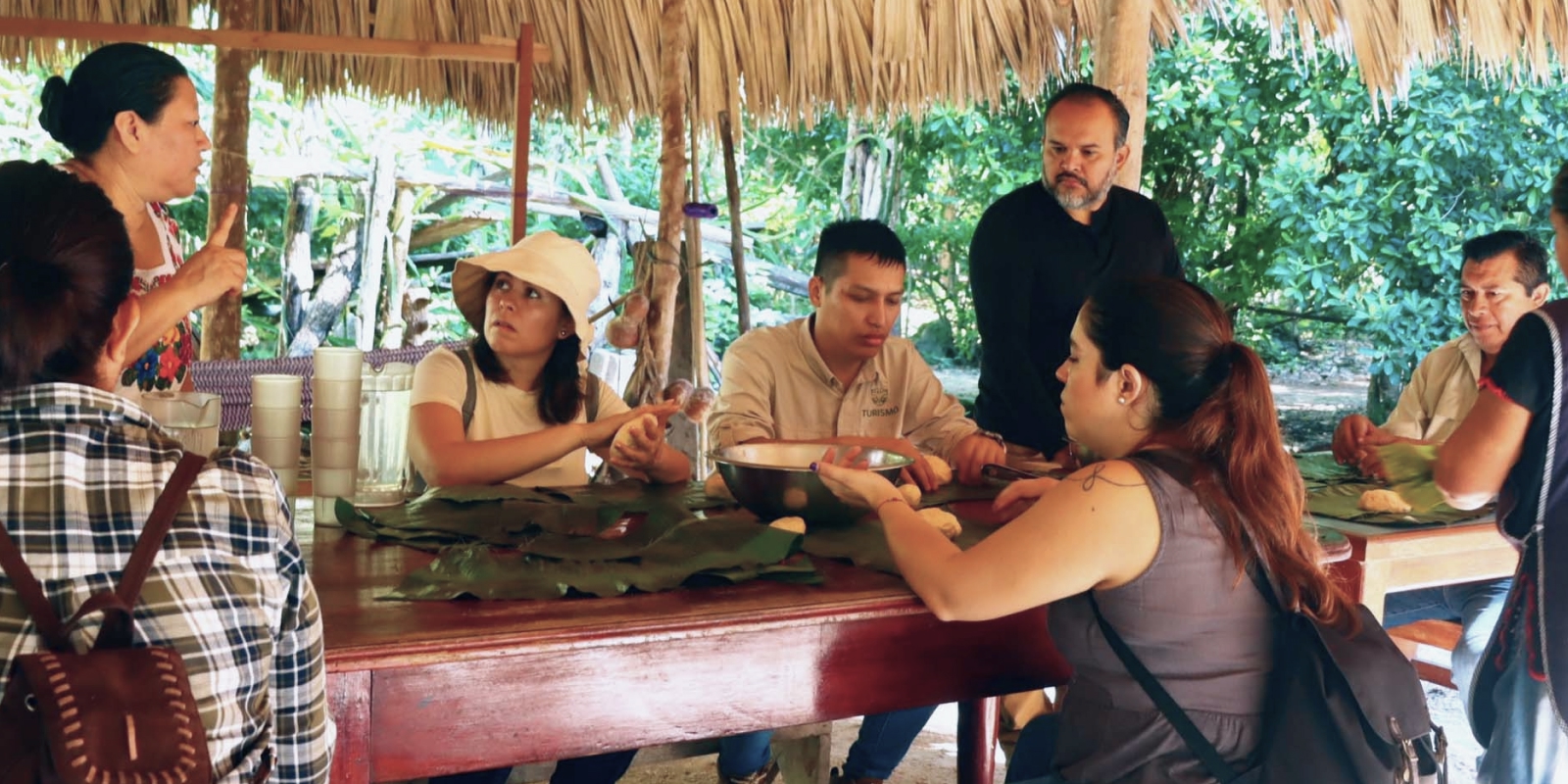
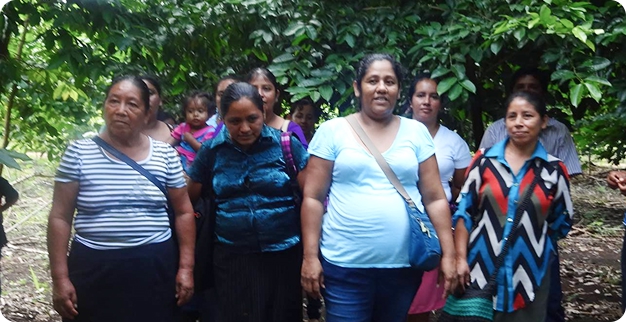
The community is composed of local indigenous Maya people whose identity and livelihood are inseparable from the health of the reserve. To ensure the preservation of their heritage and habitat, the 30 or so families in the village established the Najil Tucha cooperative in 2002. This cooperative completely manages and operates the nature reserve and all associated activities. By collectively running the ecotourism program, the cooperative ensures that revenue is distributed directly among the local families, creating a strong economic motivation for continued, sustainable conservation.
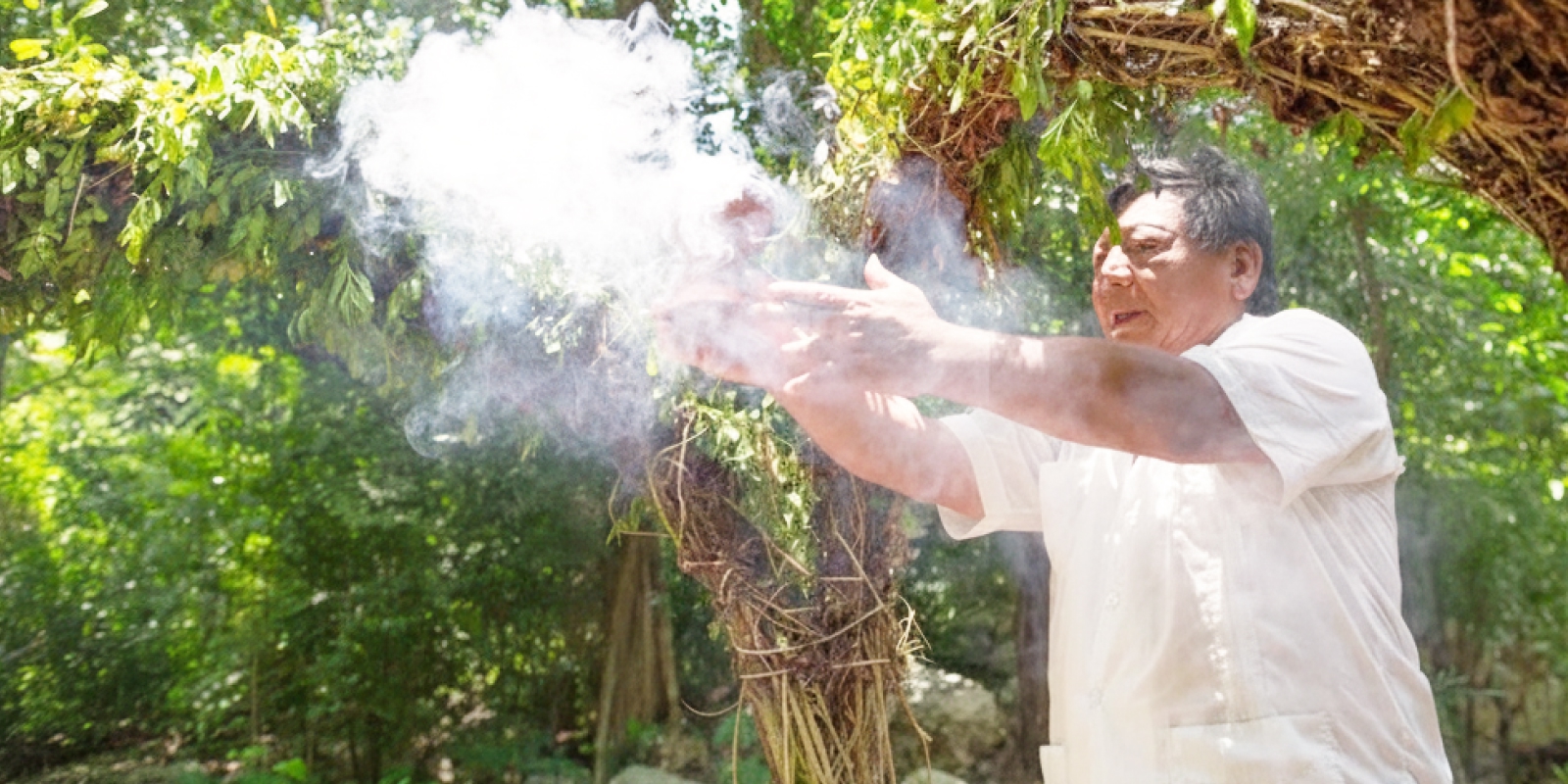
Furthermore, the community continues to honor its deep connection to the natural world through tradition. Local people maintain ancient beliefs, such as the idea that the lagoon is the home of the rain god Chaac and that the jungle is guarded by aluxes, mythical protectors of the land. This blend of ancient spiritual reverence and modern communal management ensures that the critical habitat for endangered species, such as the spider monkey, is carefully preserved for future generations.