The Vibrant Residents of Nusa Penida’s Reefs
Nusa Penida is more than just a stunning island escape off the coast of Bali; it is a gateway to one of the most biodiverse marine environments on the planet. This guide explores the iconic marine species that call these waters home and the essential ecological roles they play in maintaining the health of the reef. Whether you are planning a trip to Indonesia or simply curious about marine life, join us as we dive into the wonders beneath the waves.
The Main Important Species
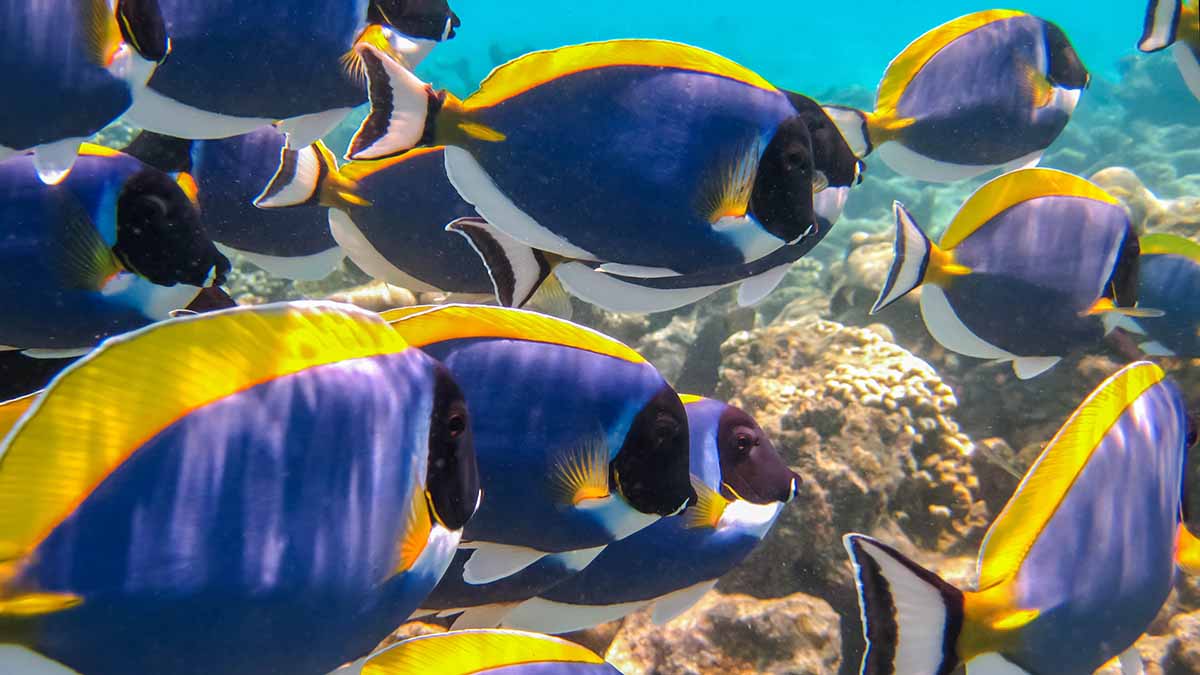
Surgeonfish: The Algae Controllers
Equipped with sharp, scalpel-like spines for defense, surgeonfish are aggressive grazers. They play a critical role in controlling the growth of turf algae. Without their constant "lawn mowing," algae would quickly outcompete young corals for space and light.
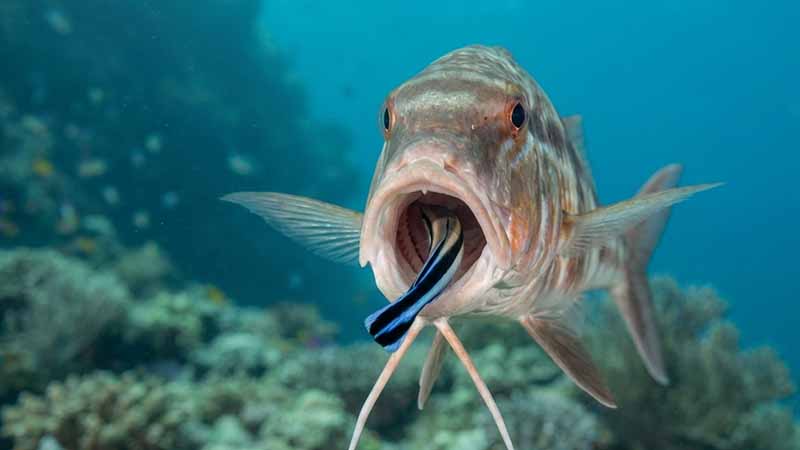
Cleaning Wrasse: The Reef’s Doctor
Tiny but essential, these fish operate specialized "clinics" on the reef. By removing dead tissue, bacteria, and parasites from larger species like Manta Rays and sharks, they prevent the spread of disease, keeping the entire underwater community thriving.
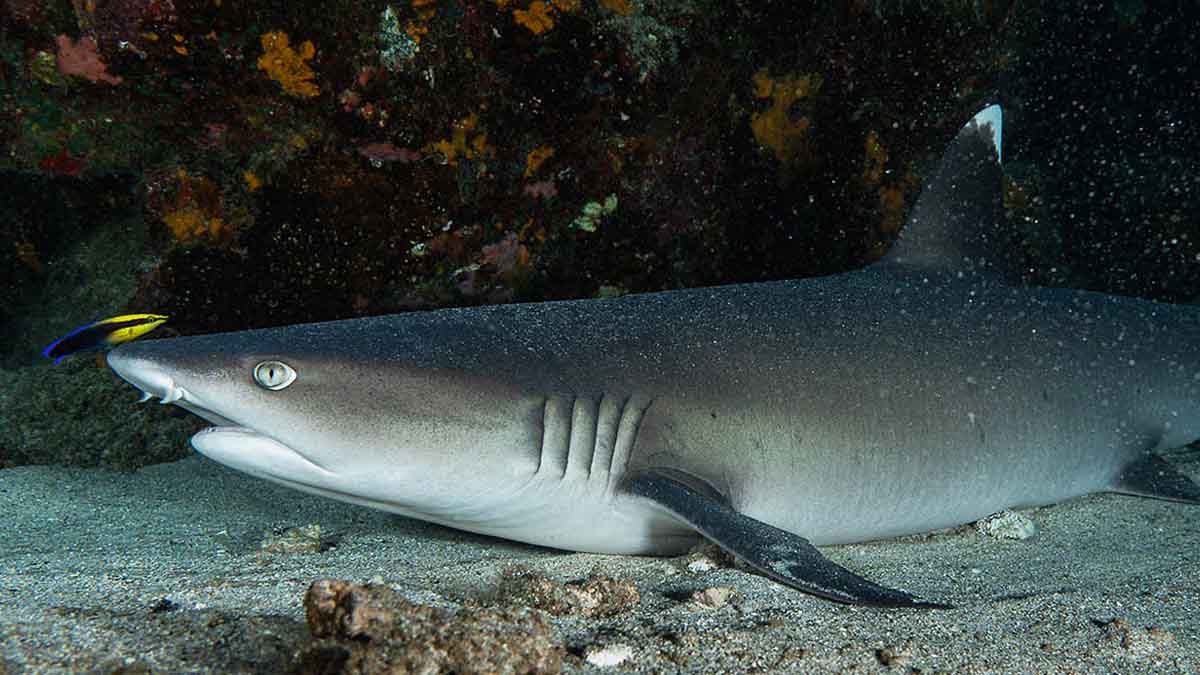
Reef Sharks: The Ecosystem Police
Often patrolling the drop-offs, reef sharks are the apex predators that maintain balance. By preying on the weak or injured, they prevent the overpopulation of specific species, ensuring that no single group dominates the reef and allowing for higher overall biodiversity.
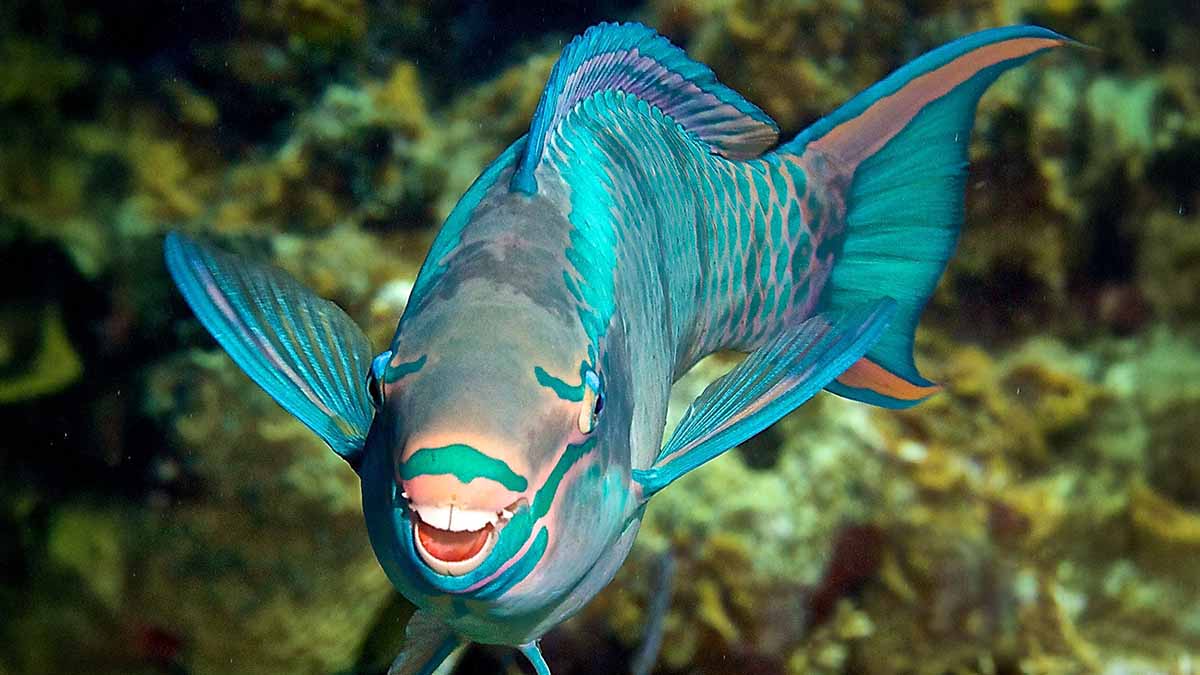
Parrotfish: The Sand Creators
Named for their colorful, beak-like mouths, these fish are vital for coral maintenance. Their hard beaks scrape algae off the reef surface, which prevents corals from being smothered. The calcium carbonate they ingest is processed and excreted as the fine white sand that graces Bali’s beautiful beaches.
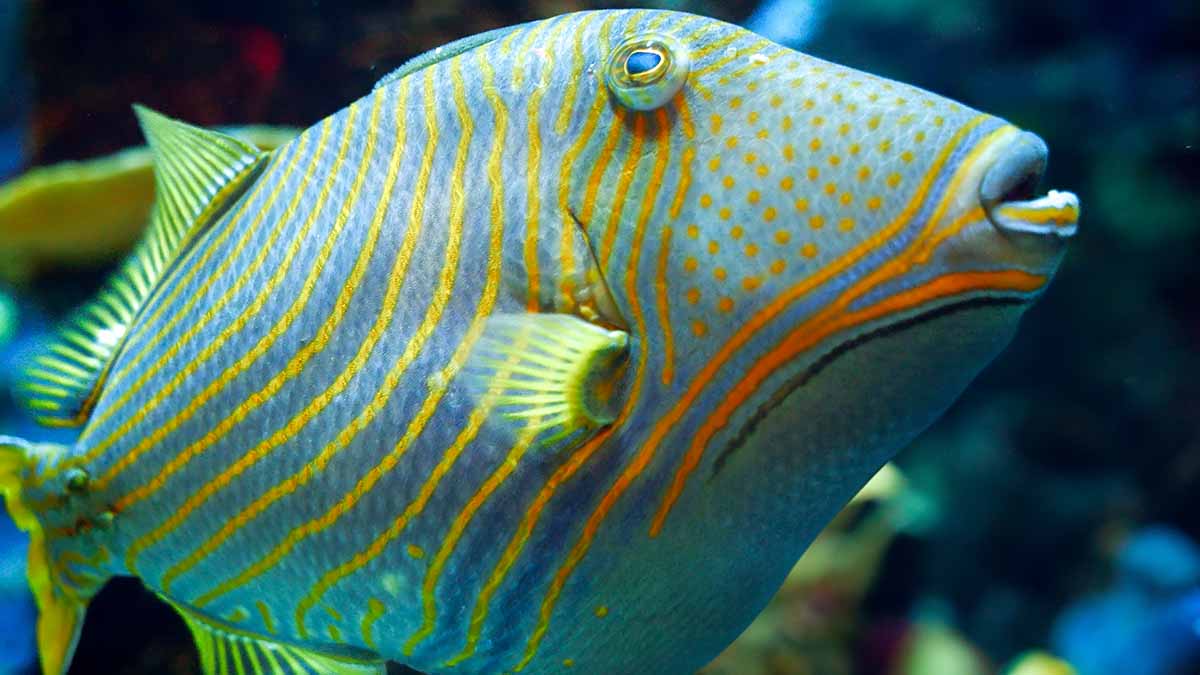
Triggerfish: The Reef’s Territorial Architects
Triggerfish are vital to the reef’s survival beyond just their territorial nature. They are active predators of coral-eating organisms, including the Drupella snail and crown-of-thorns starfish, which can devastate reef health if their populations go unchecked. By keeping these coral predators in balance, triggerfish act as essential "gardeners" that help protect the structural integrity of the coral colonies themselves.
Other Iconic Species
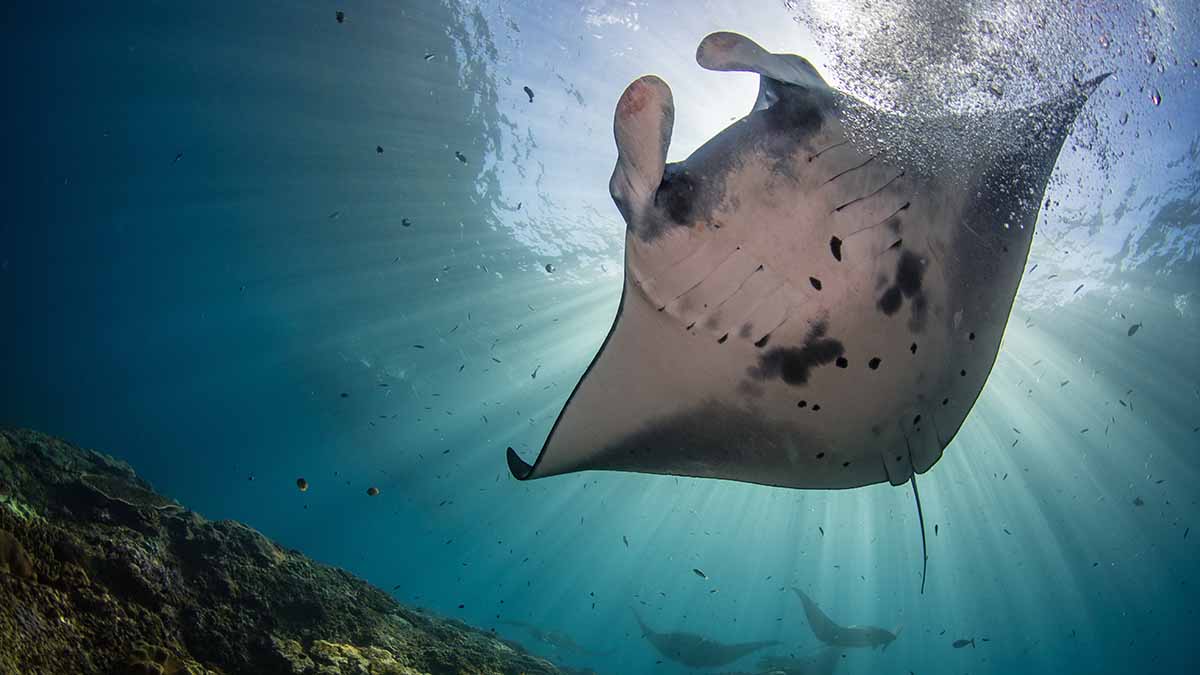
Manta Rays: The Ocean’s Ambassadors
As the undisputed stars of the Nusa Penida marine landscape, these majestic giants are vital indicators of overall reef health. They are filter feeders, relying on the nutrient-rich currents that move through the area to supply them with vast quantities of plankton. Beyond their grace and intelligence, they require the services of the reef fish like cleaner wrasse to remove parasites and dead tissue from their bodies. This symbiotic relationship not only sustains the Manta but also demonstrates the interconnected nature of the reef, where even the largest animals rely on the smallest reef residents to maintain their health.
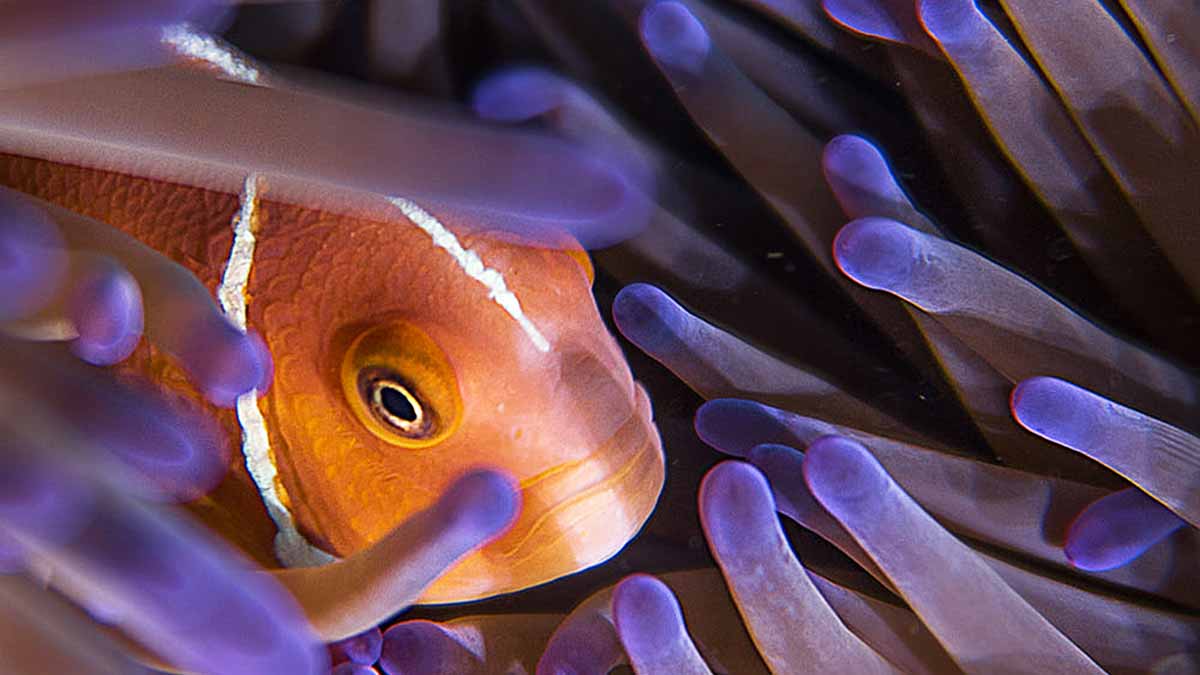
Clownfish: The Anemone Partners
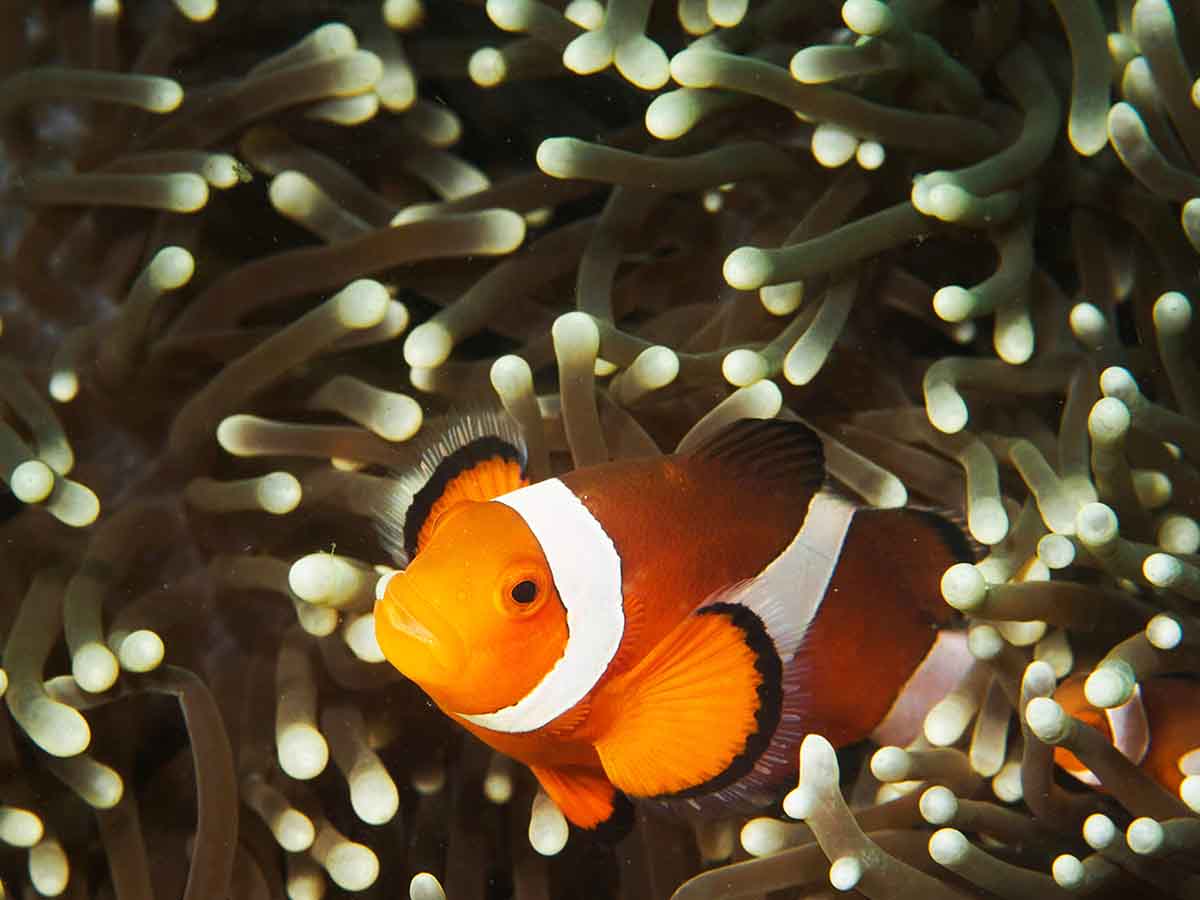
The famous "Nemo" fish. They live in a complex symbiotic relationship with stinging anemones, clownfish provide nutrients to the anemone through their waste, while the anemone offers the fish a protected sanctuary. This partnership is a masterclass in how small species provide foundational stability to the reef.
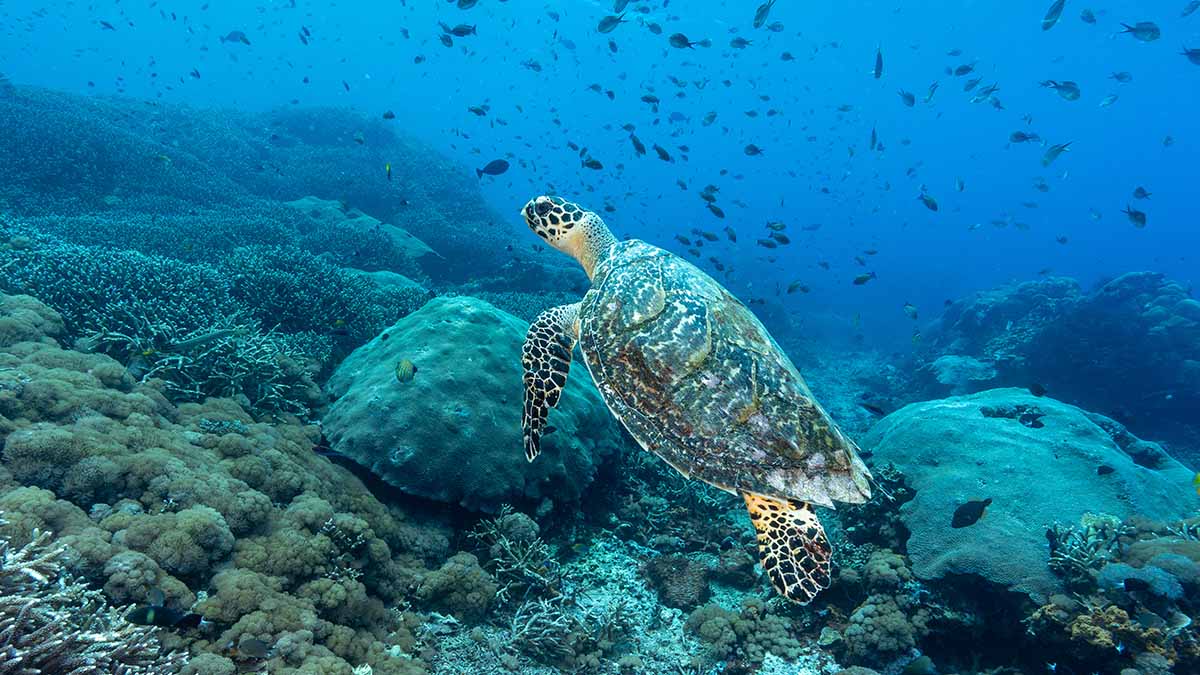
Sea Turtles: The Seagrass Custodians
Whether it is the Green or Hawksbill turtle, these travelers are ecological architects that help maintain the balance of our coastal waters. Hawksbill turtles act as specialized reef-dwellers, keeping coral ecosystems healthy by feeding primarily on sponges that might otherwise outcompete the reef structure, while Green sea turtles serve as the essential grazers of the region, maintaining the health of seagrass meadows and algae beds through constant, productive foraging. By performing these vital functions, they ensure their respective habitats remain healthy, productive, and resilient.
Protecting a Fragile Paradise
While the Nusa Penida Marine Protected Area (MPA) was established to provide a formal framework for protection. However, there was already damage done to the reefs in the past. It is clear that simply practicing sustainable tourism is no longer enough. Like many hotspots for tourism, Bali's reefs have faced significant challenges from over-tourism, anchoring, and environmental degradation, leaving many reefs in need of urgent repair.
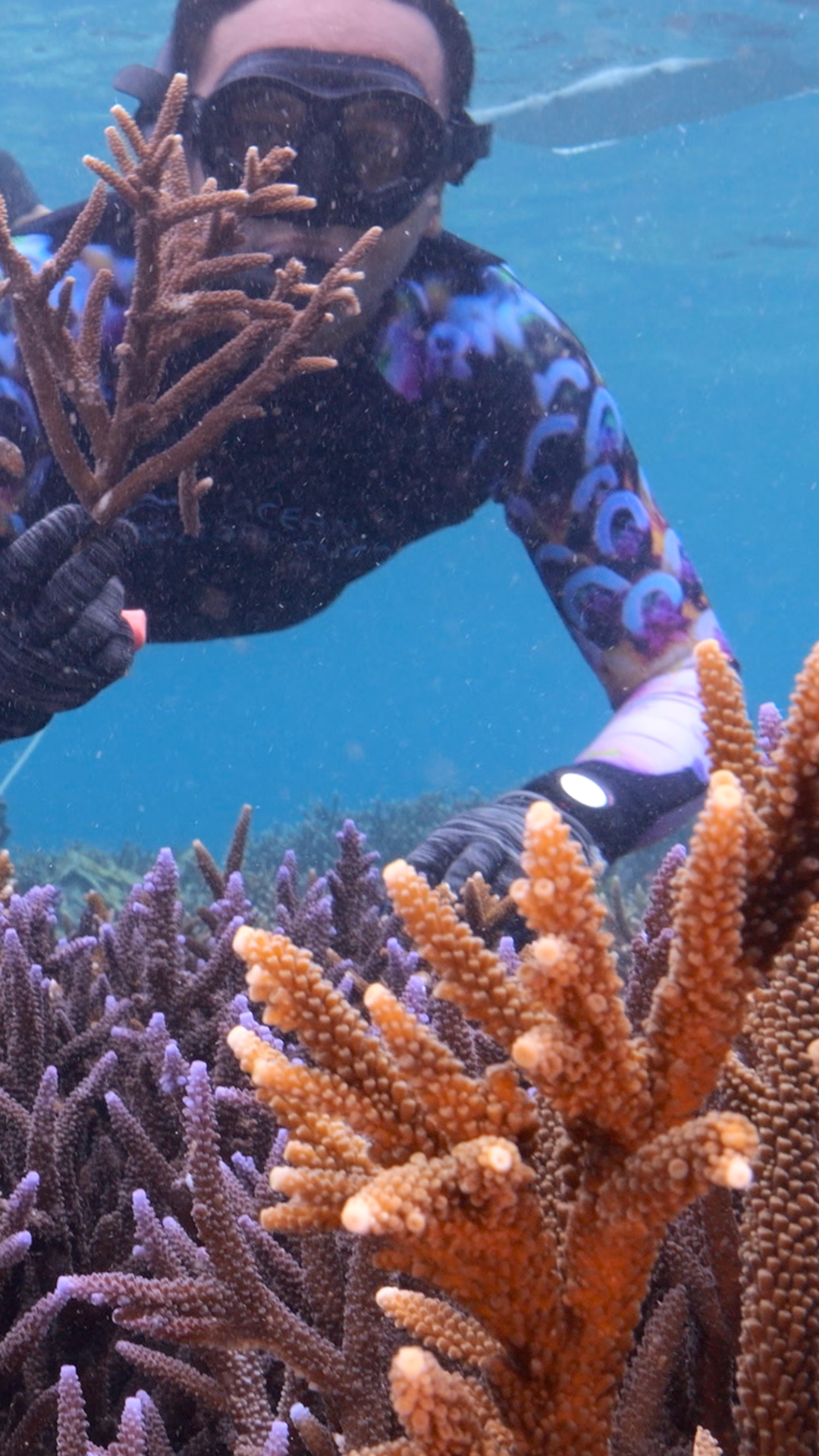
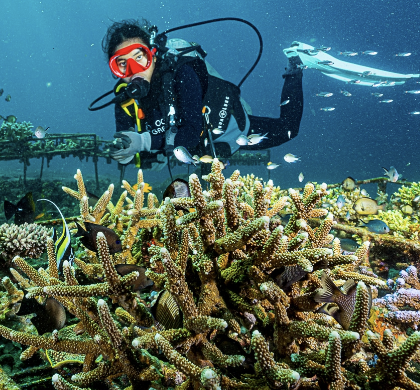
Today, the conversation is shifting from eco-tourism toward regenerative tourism—a movement aimed at actively restoring what has been damaged. That's where Canopi comes in. We work with our local partner, Ocean Gardener, who is at the forefront of this effort. By partnering with local communities, they are reversing past damage through:
- Coral Restoration: Cultivating resilient coral fragments in nurseries and out-planting them to restore degraded reef patches.
- Community Stewardship: Training local Indonesians in coral ecology, transforming them into the primary guardians of their own marine heritage.
- Active Maintenance: Removing smothering algae and sediment to provide a clean environment for new coral "seedlings" to thrive.
Adopt A Coral Or Visit The Coral Restoration Site
The recovery of Nusa Penida’s reefs is a testament to the power of community-led regenerative tourism. These fragile ecosystems are the lifeblood of the island. I'm amazed at the number of boats that dot the Ped reef now each day. But without Ocean Gardener's work, there would be no corals and colorful fish to see.
Learn more about the vital work of coral restoration and find out how you can contribute to the active regeneration of Nusa Penida’s reefs. Whether through education, supporting local eco-initiatives, or participating in conservation-focused travel, you can help ensure that the world beneath the waves remains for generations to come.