Bali's Plastic Problem: We Need to Turn Off the Tap
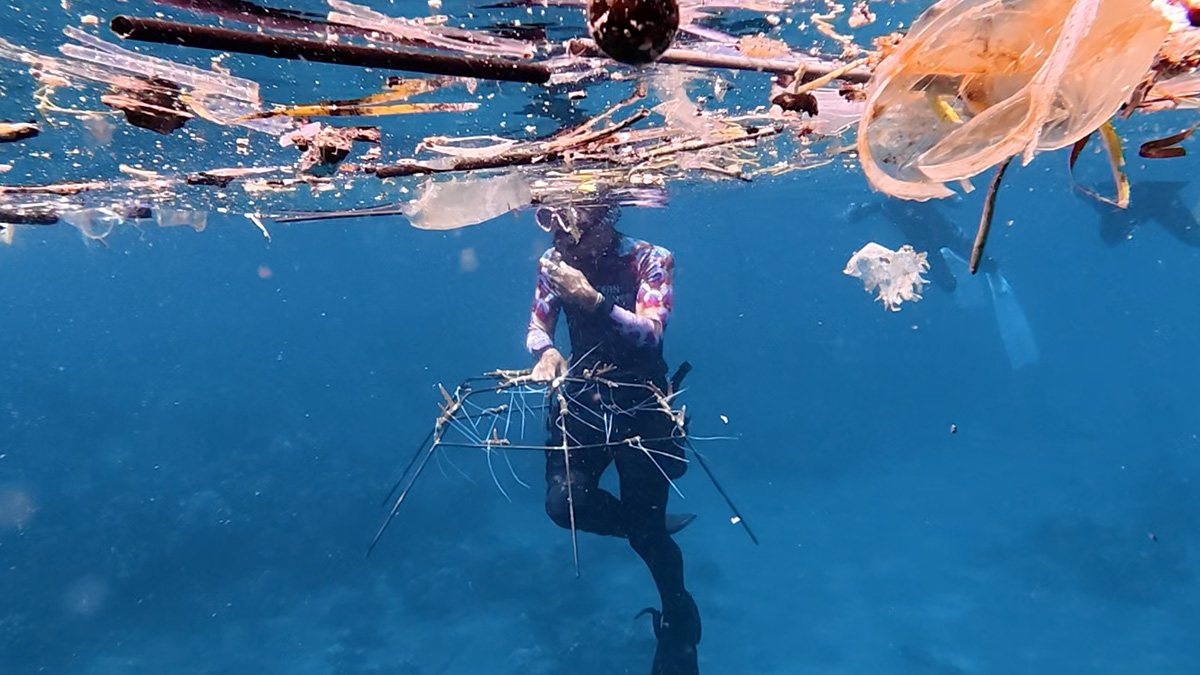
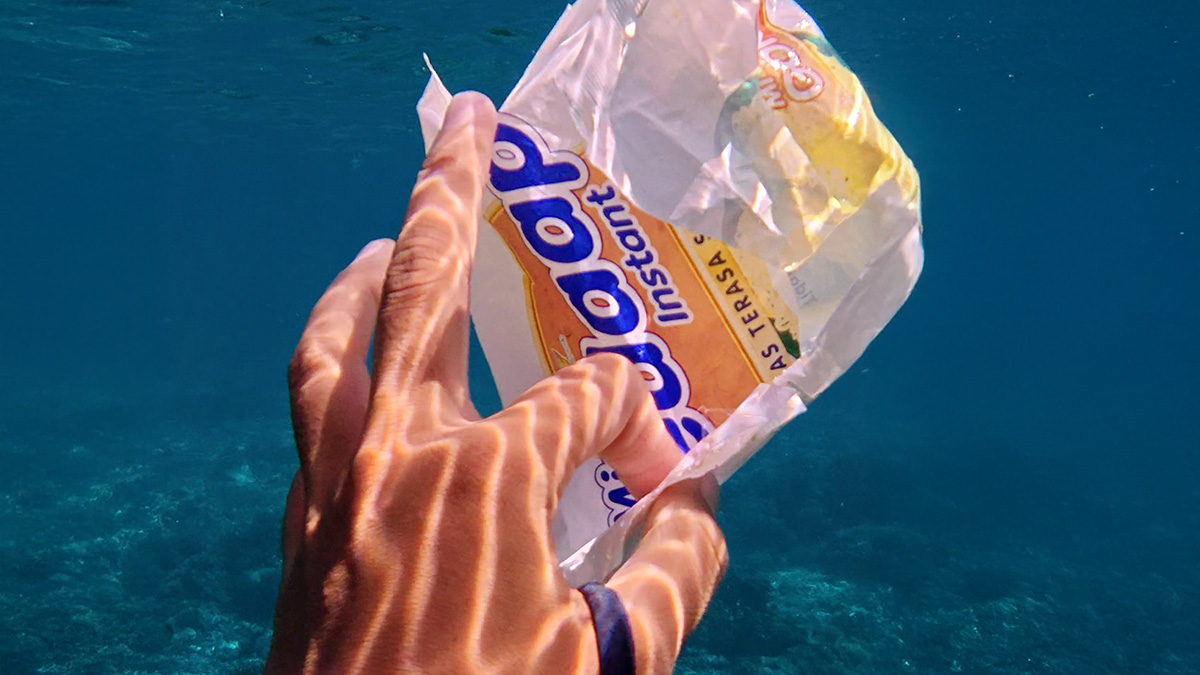
I've been lucky enough to snorkel a lot of beautiful reefs. So when I jumped in the water with Ocean Gardener and Mudfish in Amed recently in early 2026, I honestly wasn't expecting what I found. Right there at the surface — a thick layer of plastic. Bottles, wrappers, bags, just floating above the reef that these guys spend every day trying to bring back to life. It's the kind of thing that's hard to shake.
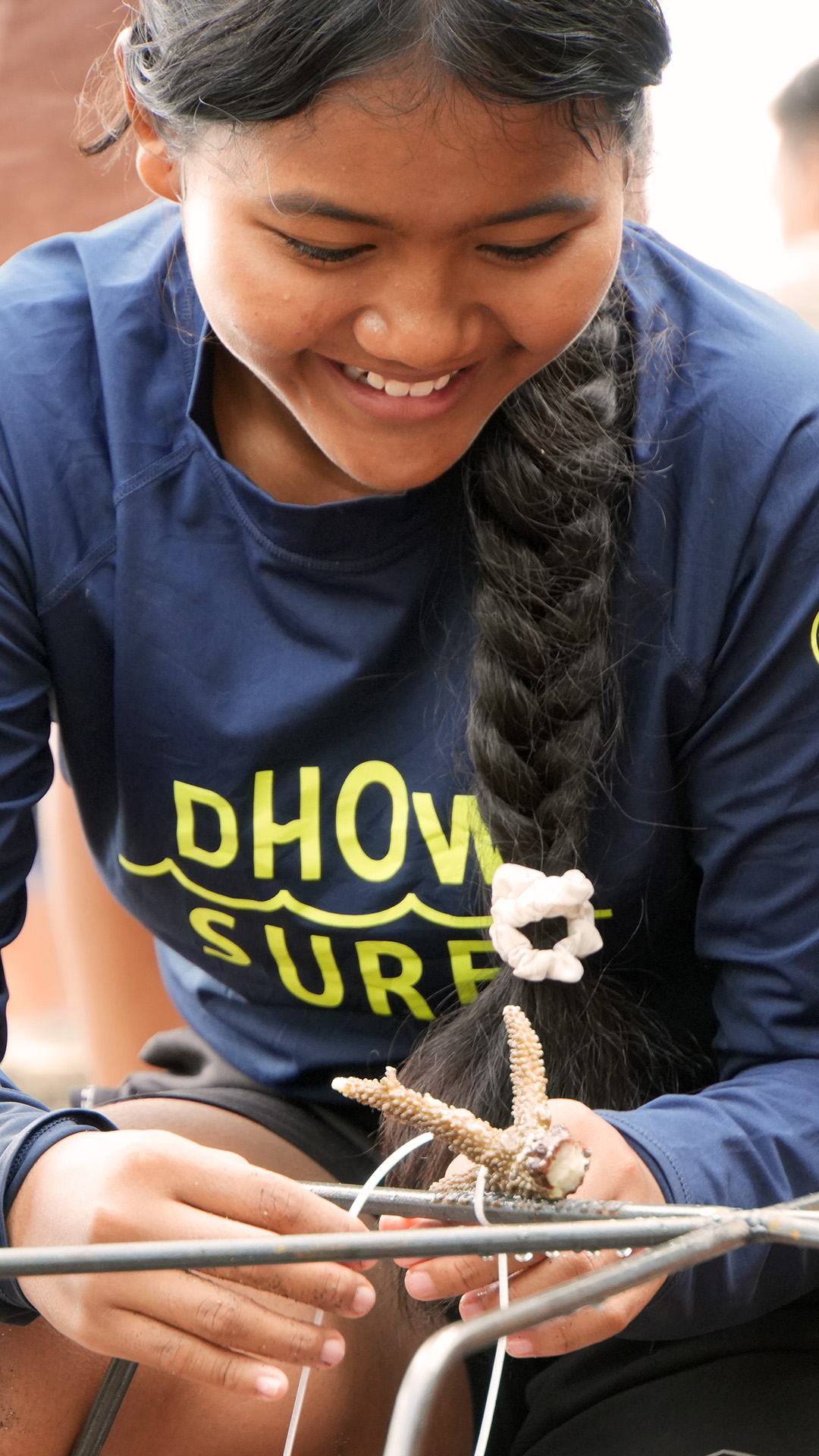
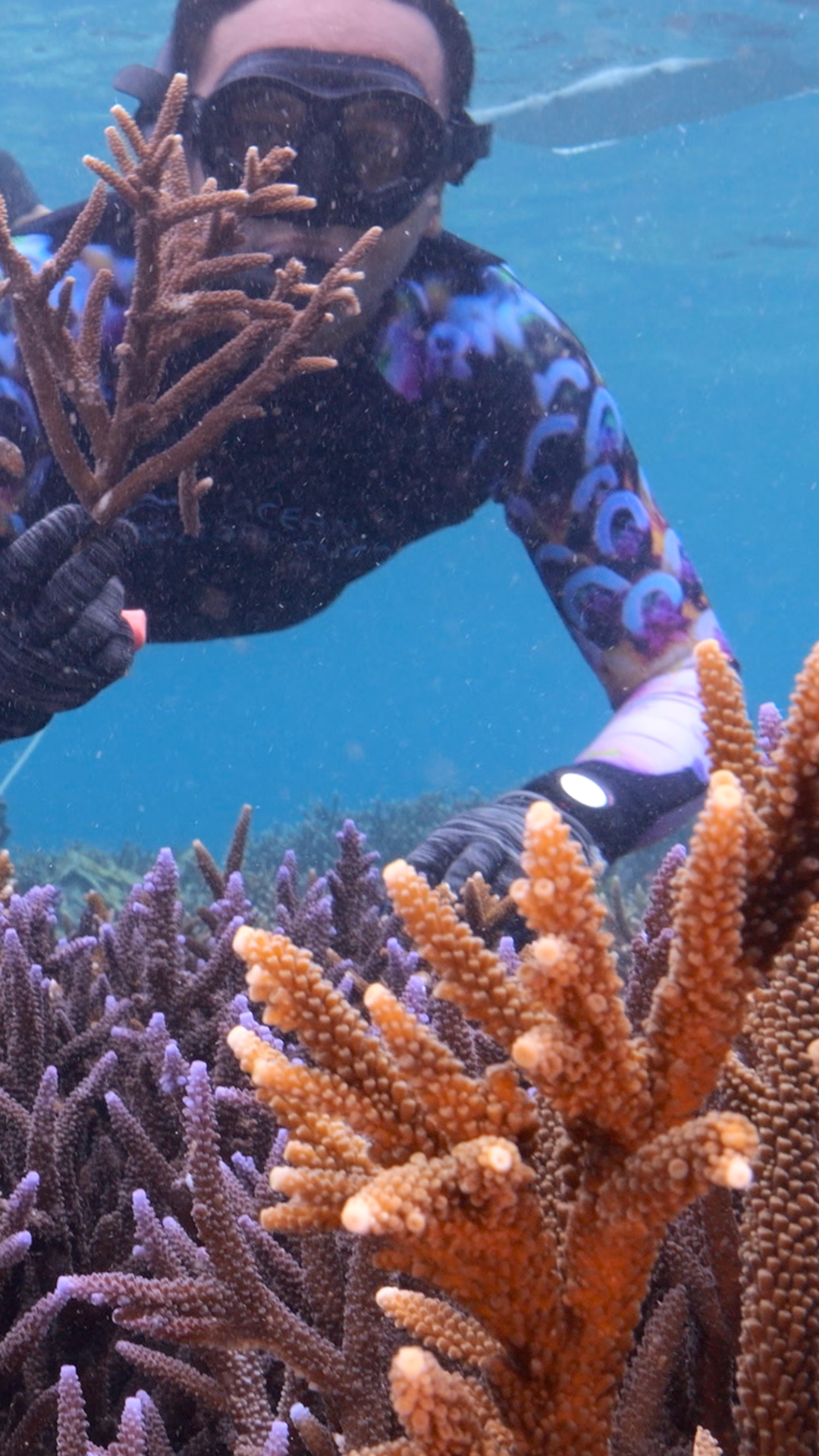
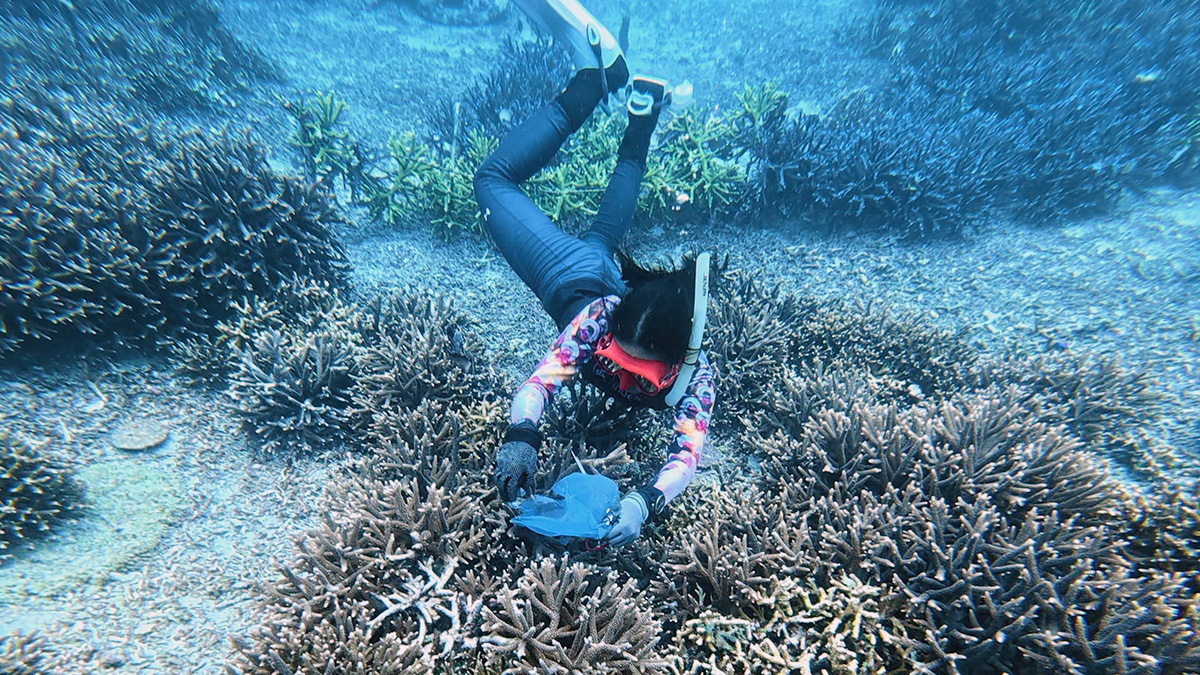
I'd also just done a coral planting session with Ocean Gardener — watching people carefully placing tiny coral fragments by hand, knowing it takes years for them to grow — and then floating through a slick of plastic on the same snorkel. It really puts the whole thing in perspective.
Amed is supposed to be the quieter, cleaner alternative to the south. If the plastic has made it there in those numbers, it's everywhere. Bali has been in the headlines for beaches covered in mountains of plastic recently. It's highly visible. With this update, I wanted to show that plastic is everywhere in the ocean. Not so visible, but it's killing marine life.
The Numbers Are Bad
Bali hit 7 million international arrivals in 2025 — up 11% on the year before. More visitors, more pressure on an island that was already struggling to manage its waste. Bali produces around 3,400 tons of rubbish every single day. Of the 300,000 tons of plastic generated on the island each year, more than half is burned in the open or just dumped. An estimated 33,000 tons ends up in the waterways and ocean. In Nusa Penida Marine Protected Area, 94% of marine debris collected was plastic. There are videos of manta rays at Manta Point swimming through bags.
Bali's beaches trash problem and its tourism boom are not separate conversations. They're the same one. And in 2026, it's impossible to ignore either.
Many popular tourist destinations like Barcelona, Santorini and Cozumel in Mexico, are struggling with overtourism too.
Many NGOs Are Doing Great Work But It Shouldn't Fall on Them
Let's start with Mudfish. It's a local organization using arts-based education to teach Indonesian kids and their communities to refuse single-use plastic before it ever become waste.
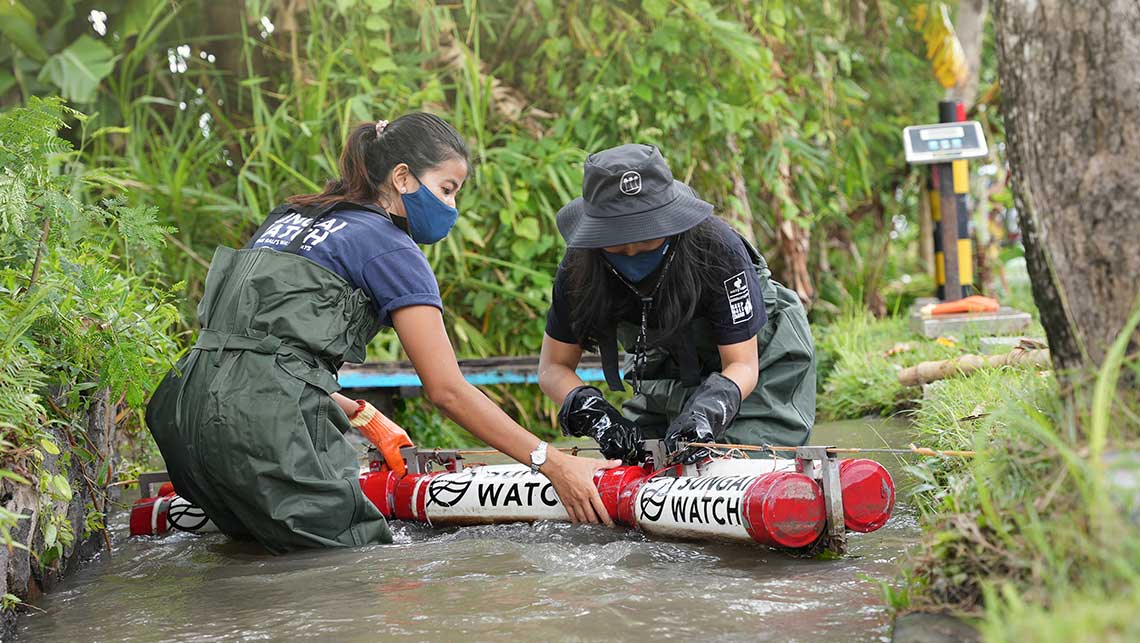
Similarly, Sungai Watch, which was founded in 2020 by siblings Gary, Kelly, and Sam Bencheghib. They looked at Bali's rivers and decided to do something about it rather than just shake their heads. They designed simple but clever trash barriers that sit across waterways and intercept plastic before it reaches the ocean, and built a whole collection, sorting, and upcycling operation around them. Since that first barrier went in, they've pulled over 1.7 million kilograms of plastic from Bali's waterways, backed by tens of thousands of volunteer hours. It's one of those operations that makes you feel like maybe things can actually change.
But here's the thing — even the best river barrier in the world is just band-aid. Most expats at the coral planting session expressed a deep resentment and have stopped trying to clean the incessant tide of plastics. You can't keep mopping the floor with the tap still running.
A One-Day Cleanup Isn't a Solution
It started, as these things often do now, on Instagram. In January this year, videos of Kedonganan Beach in Jimbaran went viral — the beach completely buried under a tide of plastic waste that had rolled in overnight with the monsoon currents. The images were shocking enough that they spread globally, caught the attention of the international media, and eventually reached President Prabowo himself, who publicly called out Governor Wayan Koster over the state of Bali's beaches. Koster's response was to promise a task force. Prabowo's response was to send in the troops — literally.
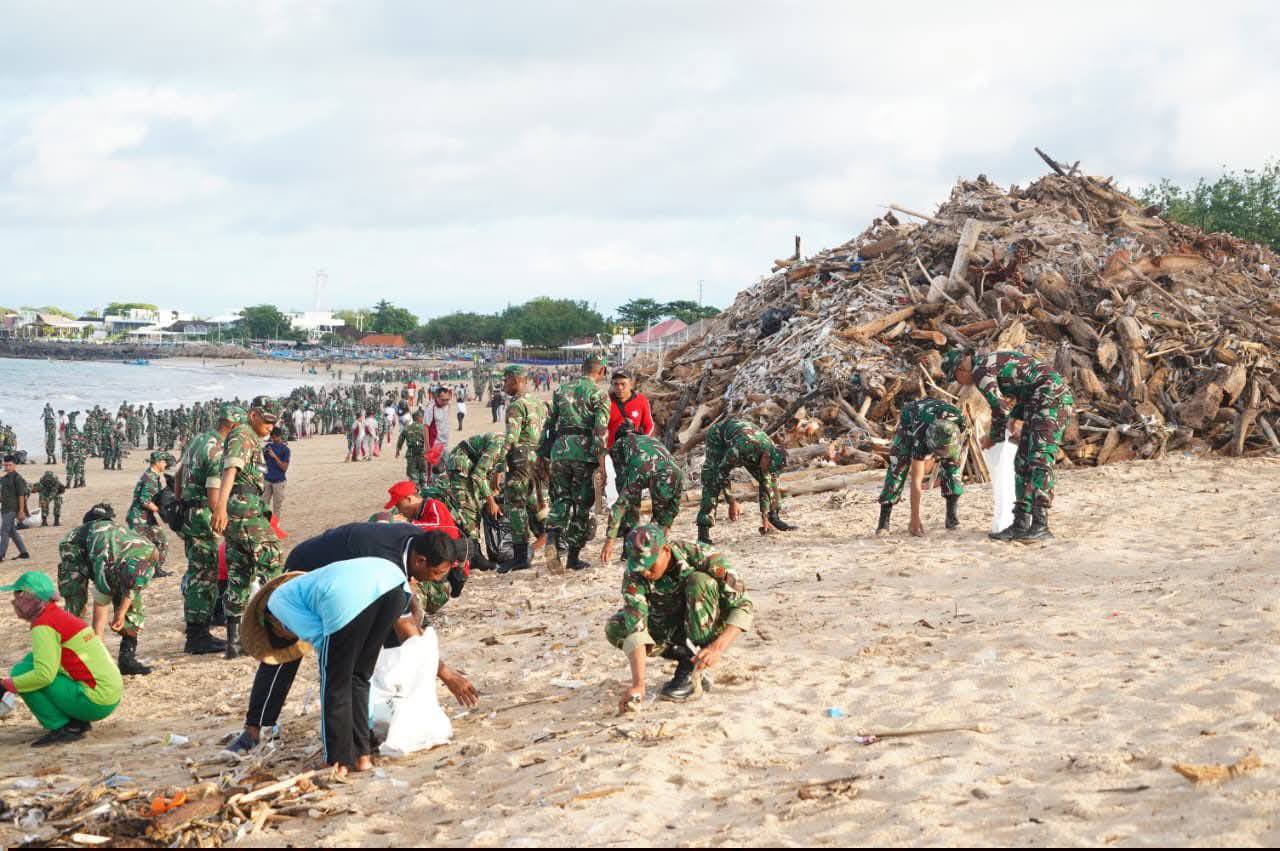
The cleanup that followed was big and photogenic: schoolchildren and military soldiers side by side on Kuta Beach, around 8,600 people collecting trash in what became one of the largest single cleanup operations the island had seen.
Good on them. Really. But the cameras packed up, the tide came back in, and within days the beach looked the same as before. This is exactly the dynamic that gives me pause — it took viral Instagram posts and international embarrassment to trigger a government response. That's not a waste management strategy. That's reputation management. And it only works until people stop filming.
The problem isn't that people aren't willing to clean up. It's that Bali produces waste faster than anyone can collect it and it's not stopped at the source.
The Landfill Is Closing and Most Villages Have No Plan
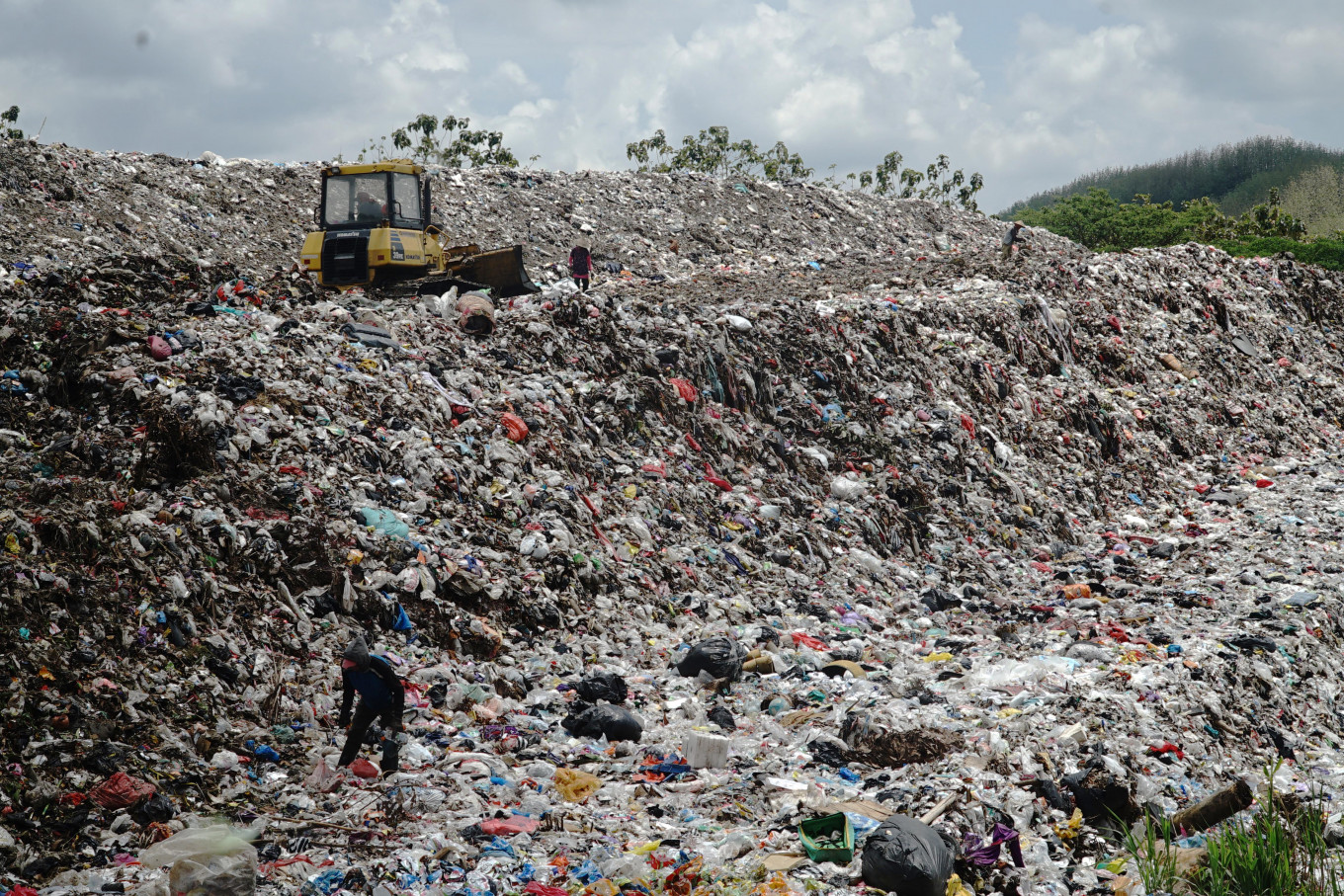
Bali's main landfill at Suwung has been at capacity for years. It was supposed to close, got extended to early 2026, and the question of what comes next is still very much open. Walk through most villages and there's no waste separation system in place — no organic bin, no recycling, no clear collection schedule, nothing. The infrastructure just isn't there yet.
The Plastic Has to Stop at the Source
There's some real policy movement — Bali has banned small plastic water bottles under a litre for hotels, restaurants, schools and the rest. A waste-free 2027 target exists on paper. That stuff matters.
But policy without enforcement and real infrastructure behind it is just good intentions. What Bali actually needs is a centralized, coordinate waste management program. Right now it's a patchwork of liabilities shuttled off to individual villages.
That means phasing out single-use plastic at the point of production and import, not just asking consumers to do better. It means building waste separation systems at the village level where the central government steps helps collect and recycle the material, perhaps in conjunction with working with NGOs or the private sector. Every banjar needs a plan, funding, and someone accountable.
It means investing in local processing so sorted waste actually goes somewhere, and properly resourcing organizations doing the frontline work so they're not running on volunteer energy alone. Here's an idea, the Bali visitor's arrival tax, why hasn't some of it been allocated to this. It's supposed to have been.
What Keeps Me Going
Honestly? The people doing the work.
Watching Sungai Watch pull plastic out of rivers every week, seeing Ocean Gardener replanting coral and Mudfish continuing their work educating the local communities — that stuff matters to me. It's easy to sit in hopelessness, and I understand why people go there. But these teams get up every day and do the work anyway. That keeps me going.

It's also a big part of why I started Canopi. I believe that when people who genuinely love a place come together around a real problem, things can shift. Bali has an incredible community — locals, expats, visitors — who care deeply about this island. That energy hasn't been fully pointed at this yet.
As Canopi grows, I hope we can be a bigger part of the solution — connecting more people to projects like these, helping amplify the work, and eventually being an organization that can push for real systemic change. We're not there yet, but that's what we're building toward.
What you can do in the meantime?
If you live here, ask your banjar what the waste plan is. Push for separation at the source before the landfill situation becomes a full emergency.
If you run a business or hotel, go plastic-free and be vocal about it. And please — add a recycling drop-off point for your guests. Hotels have real influence here. When a guest checks in and sees a clearly labeled recycling bin and a refill station instead of rows of plastic bottles, that sends a message. When guests check out and nothing has changed, that sends a message too. Leave a review calling it out. Hotels respond to their reputation.
If you're visiting, refuse single-use plastic, bring a reusable bottle and buy or bring a reusable shopping bag for the duration of your stay. And if you see plastic on the beach or in the water, take a photo, tag the location, and post it. On Instagram. On Facebook. Publicly.
That last part matters more than it might seem. The President sent the military to clean Kuta Beach because foreign leaders said it looked bad. The government here responds to public pressure and the fear of losing face — which means visibility creates accountability. Every post that goes out showing the state of Bali's beaches and rivers is a nudge. Enough nudges, and things move.
Tag @sungaiwatch, tag the people who can act on it — @prabowo, @kostergubernurbali — and use #BaliPlastic. Make it hard to ignore.

The reef in Amed is still alive. The coral is still being planted. Paradise isn't lost. But the window is getting smaller, and we can't keep asking for extensions. Donate to Sungai Watch, Mudfish and visit Ocean Gardener to help fund their amazing work here in Bali.