
Canopi: A New Journey Begins — Introducing a New Era of Regenerative Travel
Why We Believe Travel Needs to Change (and Why Now)
A letter from the founders
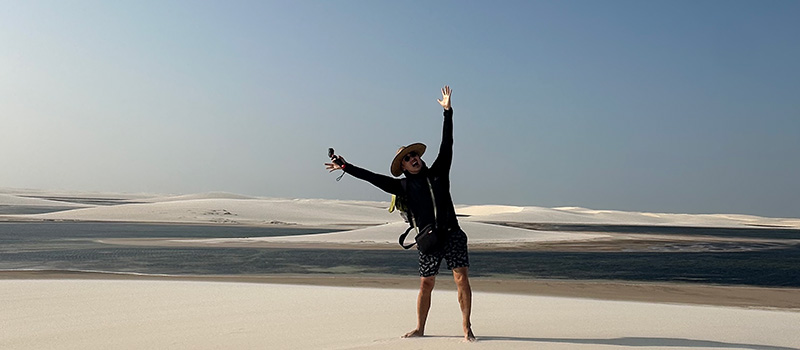
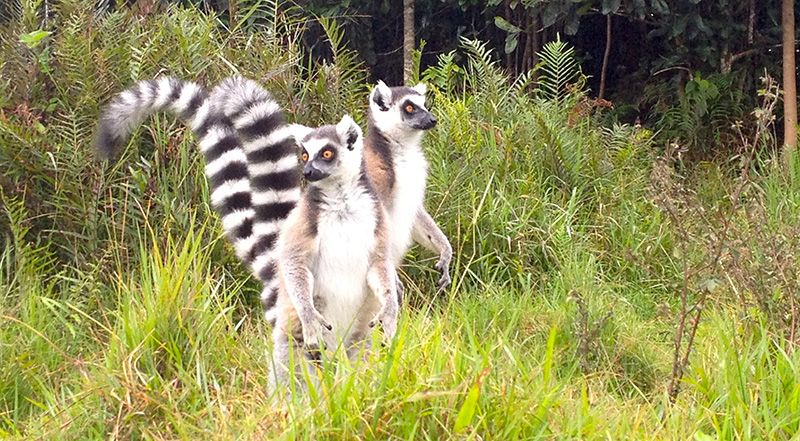
I’ve had the extraordinary privilege of traveling the world, immersing myself in different cultures and encountering animals in their natural habitats. From the lemurs of Madagascar, the lions of Tanzania to the stunning tropical reefs of Indonesia. Everywhere that I’ve gone where nature is intact, I have felt peace, a sense of magic and tranquility. Whether viewing a virgin forest stretching as far as the eye can see, or fields of blue Acropora on the Great Barrier Reef, or being the only person for miles in a desert in Brazil. Unspoilt nature has always inspired a sense of wonder in me.
Yet, as part of today’s generation, we are constantly bombarded with negative news: climate change, the relentless encroachment of human populations, and countless animal species being driven to extinction. We have forgotten that we, humans, are also part of the very fabric of this planet. If the planet dies, we die.
This realization often leads to an overwhelming question: How can one person truly change the way the world works? The drive for constant and unlimited economic growth, or how the world uses fossil fuel, or how governments work? Surely, I cannot be alone in feeling this.
The Problem We Saw in Tourism and Conservation
I have 2 passions - travel and wildlife (animals and coral reefs). I’m also very good at designing apps and a filmmaker at heart (I’ve worked in both industries).
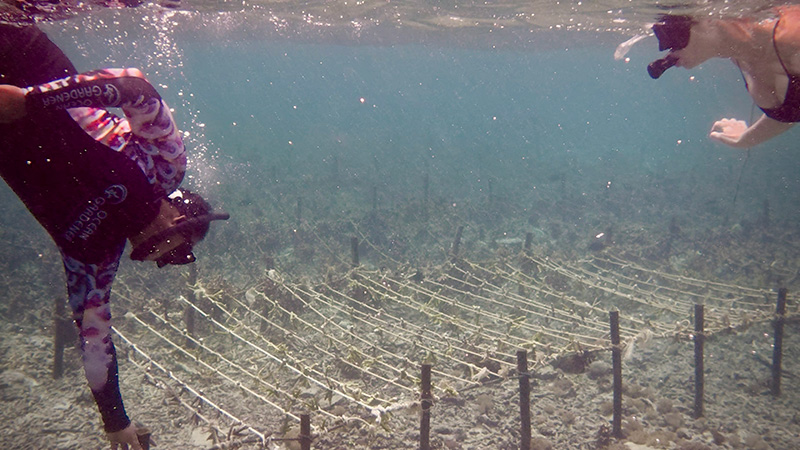
I set off on my own journey - to learn by doing and being of service to others, to nature. Through my own volunteering experiences with the Cozumel Coral Reef Restoration Program and Ocean Gardener, I have met many interesting and passionate people. I met dedicated people who show up rain or shine, year after year, to replant reefs, or reforest degraded lands, or spread awareness to get others to care for their cause.
I’ve also met the amazing volunteers and collaborators that have come through. People young and old, who care and feel just like me, who take extra time in their vacations or sabbaticals to give back to the planet. There are other people out there just like me.
The Rise of Regenerative Travel
I first heard of regenerative travel a few years ago. What a concept.
Regenerative travel is simple in principle:
What if you could leave a place better than you found it?
Not just sustainable, not just “eco-friendly,” but genuinely restorative.
I learned quickly that the current travel industry falls short. When trying to recommend hotels to volunteers at CCRRP, I couldn’t verify simple things like water treatment systems. I couldn’t send volunteers to book rooms at a place that was also releasing sewage that is killing the reefs we’re trying to protect. Large booking platforms had various “Eco” checkboxes, but you had to really dig into the certifications and what they meant. Did they prevent damage to the reefs? I still don’t know the answer. There is so much greenwashing.
Also, a lot of these regenerative experiences are hard to find and book. NGOs are strapped for resources and updating their website and focusing on e-bookings is the last of their priorities.
However, I do know this: billions of dollars are transferred through global travel each year. This is a powerful, untapped force.
Local Communities Are Part of the Solution
I’ve also learned that most failed conservation projects suffer from a lack of local buy-in. This makes perfect sense; I wouldn’t want strangers dictating what I do with my land or sea either.
Furthermore, we must address the root cause of resource depletion: desperation. If your family is cold or hungry, you will chop down trees for firewood or fish for survival. We would all likely do the same. Hence, the solution must consider the human aspect — it must solve poverty and transition people from an extractive economy to a regenerative one.
I have seen this success in Ocean Gardener’s project in Ped, where together with the local community, they have planted over 1km of coral, and the community is proud of their work. It is a powerful source of hope.
These local communities often hold key indigenous knowledge, passed down from ancestors who lived in equilibrium with their surroundings. They understand the land, the plants, the animals, and the seasons. This wisdom is what modern civilization has forgotten, leading to the consequences we see today: pesticides that kill fish, and the yearly onslaught of red tide and sargassum waves caused by unbridled use of chemical fertilizer, that make the beaches near my home unrecognizable and intolerable.
The Commitment to "Do One Thing"
The task of saving nature, especially my passion — the coral reefs — can feel paralyzing. How can one person stop climate change? It’s a really large global problem, no?
There’s a book that left a deep impact on me: Big Things Happen When You Do The Little Things Right by Don Gabor. I carry it everywhere. When faced with an incredibly messy room and no idea where to start, you simply pick one corner each day to clean. Focus on one problem, ignore the rest, and keep going. Before you know it, the room is clean.
Defining the unicorn - the launch of Canopi
When my old team at Trainerize began throwing ideas around to start a new project, I proposed a vision: Why not combine travel and saving the planet? Let’s make this next thing we build really make a difference in the world.
For the past few years, I’ve been searching for a solution where the trifecta exists: my passion for travel, my wish to save nature, and my team’s knowledge of technology.
Today, after countless discussions and iterations, we are launching Canopi — a platform for regenerative travel experiences. We aim to connect conscious travellers who want to take the extra time to make a difference, with the NGOs out there making real changes on the ground.
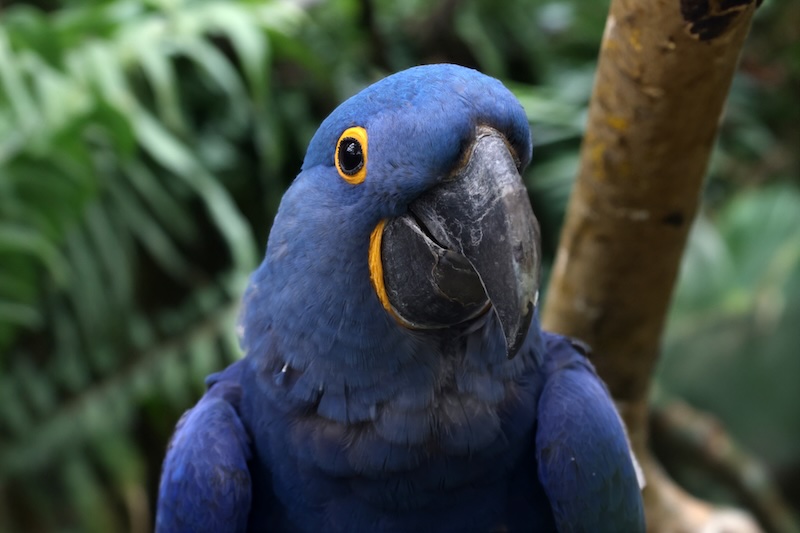
Our logo and mascot is the beautiful Hyacinth Macaw found in the Pantanal region of Brazil. Given how Brazil is the center of COP30 this year and home to some of the most biodiverse areas in the world, we thought it was fitting that this animal represents our hopes and vision for Canopi.
A Note to Our Early Community (That Means You)
If you’ve read this far, thank you.
Canopi isn’t just a platform — it’s a collective effort between travelers, communities, NGOs, and people who believe in leaving the world better than we found it.
And today, we’re inviting you to be part of it.
Come explore the first regenerative experiences on our site.
Come learn about coral restoration and the incredible people behind it.
Come join us in reimagining what travel can be.
A new journey begins — and we’re grateful you’re here at the start of it.
This is a journey that my team and I are really excited for. It is our messy corner of the room that we’ve picked today to clean up. We may not have all the solutions but it is a step into action to creating a better world. We are excited for all the travellers and NGOs that we will meet in our journey forward. Come join us and travel for a purpose.
Let’s leave a better world.
With heart,
Trevor, Sharad, Trevor, Ricky, John and JC
Co-founders, Canopi