
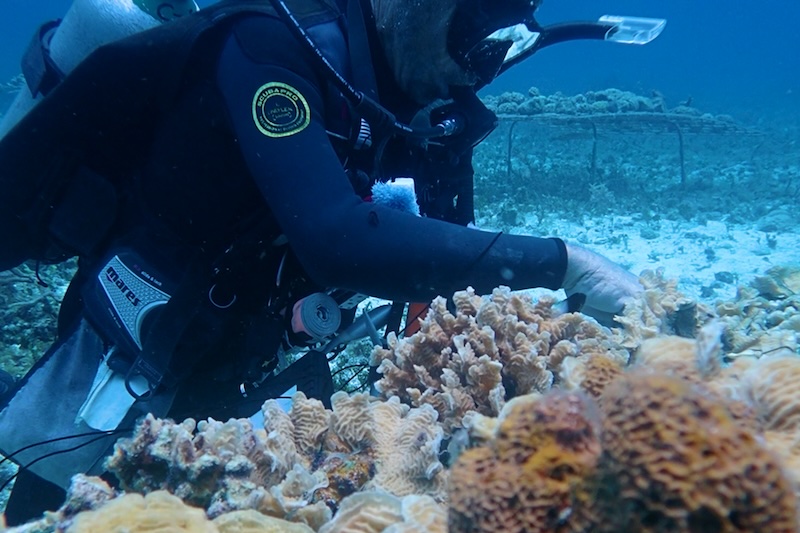
Cozumel Marine Park History: The Fight to Save Its Reefs from Cruise Terminals
It’s been a year of intense activity for the Cozumel Coral Reef Restoration Program (CCRRP), centered around a recurring threat that brings back memories of past ecological damage: the proposed construction of a new cruise ship terminal.
Cozumel Marine Park: A Brief History
The Cozumel Marine Park (Parque Nacional Arrecifes de Cozumel) sits within the Mesoamerican Reef, the second-largest coral barrier reef in the world. Established by presidential decree in 1996, the park spans nearly 12,000 hectares of coral reef ecosystem and was created in direct response to growing alarm about the impact of tourism and development on Cozumel's reefs.
Protection, however, was never absolute. As early as 1994, two years before the park was formally gazetted, the Mexican government shifted the marine park boundary southward to accommodate the construction of the International Cruise Terminal. It was the first time development interests overrode the park's ecological boundaries. It would not be the last.
Today the marine park attracts hundreds of thousands of divers and snorkelers each year, drawn by the visibility, the coral formations, and the diversity of Caribbean marine life that still thrives here including Staghorn and Elkhorn coral species that have been functionally extinct in Florida for years. That ecological richness, and the cruise infrastructure that brings visitors to it, remain in constant tension.
A bit of history of the Cozumel Coral Reef Restoration Program
Our founder, Dr German, fell in love with the reefs when he moved to Cozumel in 1982. In 1994, the Mexican government decided to build a cruise ship dock in the Cozumel Marine Park by shifting the park boundary further south. Despite protests from the island’s residents, the government proceeded to construct the International Terminal.
Dr German left the island in 1994 to pursue a marine biology degree and returned in 2012 and launched the CCRRP in 2013 with the mission to restore the reefs lost to development. We were officially established as a Mexican non-profit (Asociación Civil) in 2017.
Since then, we have welcomed volunteers from all over the world and educated them on the corals of the Caribbean and the threats they face.
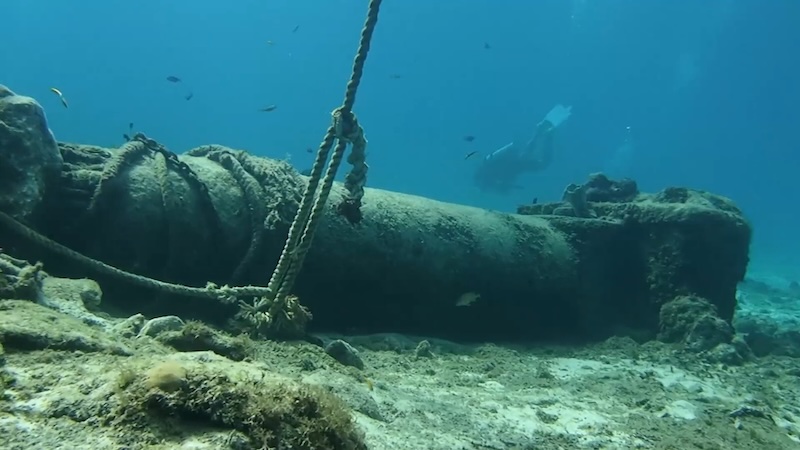
A History Repeating: The Pier Conflict
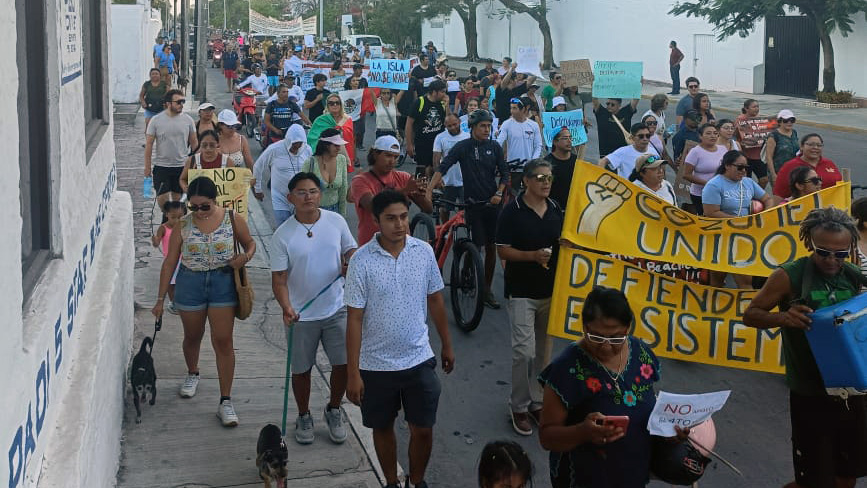
The familiar threat reemerged on April 20, 2025, when survey platforms appeared on the reef, starting to excavate cores in preparation for the construction of a fourth cruise ship pier. This immediately galvanized the local population, resulting in a huge community protest against the project.
For locals, the conflict is about more than just a pier. We are conscious that Cozumel is a small island with finite space and underwater reserves and the locals do not benefit significantly from the cruise industry. Today's gigantic ships dock for only a few hours to maximize passenger time and spending onboard, while the commercial spaces near the docks are controlled by international chains like Starbucks and Hooters. While money flows into the island, the main bulk of the profits rarely reach the common people of Cozumel as they flow out to these international or non-Cozumel based companies.
Furthermore, a sector of the island's tourism depends heavily on people coming to scuba and snorkel the Meso-American Reef. Coral diseases from Florida, were potentially brought against currents by cruise ships exchanging ballast water in both ports.
It was a tense few months of various local organizations like CIMAC and CCRRP joining the local community in voicing our concerns. Dr. Mendez, spoke out at a press conference on June 30, powerfully summarizing the feelings of the locals regarding the pier situation.
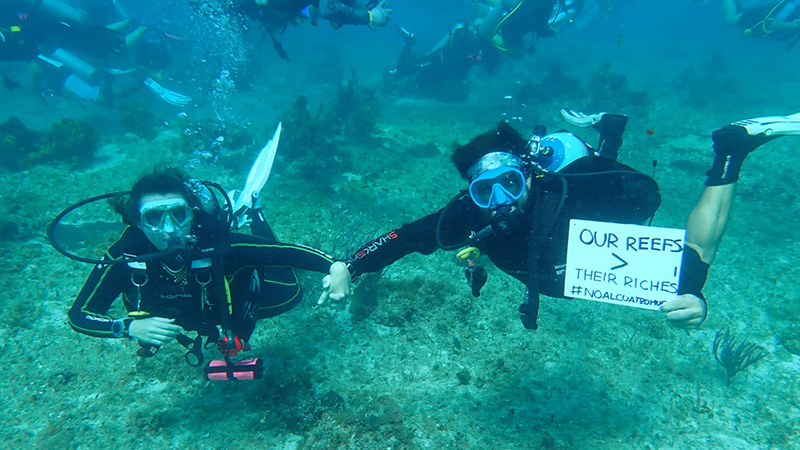
Current Status: A Victory, But The Fight Continues
As of 25 August 2025, the Quintana Roo Comprehensive Port Administration (Apiqroo) is moving to remove the fourth pier project in Cozumel from its master plan. On September 19, 2025, Mexico's federal Secretaría de Medio Ambiente y Recursos Naturales (Semarnat) officially announced it was revoking the environmental impact authorization for Fourth Pier project.
However, there are powerful interests behind the project so we doubt the permanent cancellation of the project. The push for development has not stopped entirely. Recently, a conglomerate also cleared land right across from the proposed pier location without warning, though this, too, has been shut down by authorities.
Our Coral Restoration Work Continues
Despite the ongoing challenges, CCRRP's work continues. We know that education is a key piece in the puzzle by continuing to show international visitors and the local community the vital importance of the reefs. The critical coral species Staghorn coral (Acropora Cervicornis) and Elkhorn coral (Acropora Palmata) are still alive where they are already functionally extinct in Florida. The remaining colonies are too far apart to mate and reproduce.
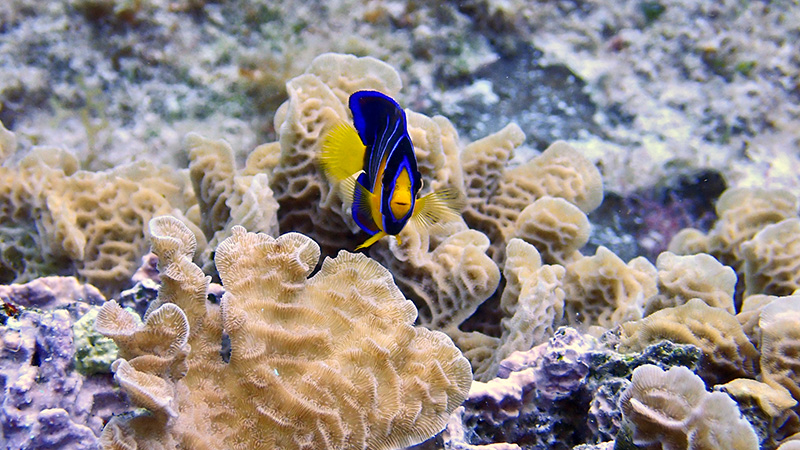
The corals are still alive here in Cozumel and every time we plant more corals and they grow, we see species that come back to the reefs. It gives us hope to continue our fight. We haven't seen queen angelfish this far north in a while. Also, we have witnessed various species of baby fish on our reefs. CCRRP is working with various organizations and universities to save these corals from extinction.
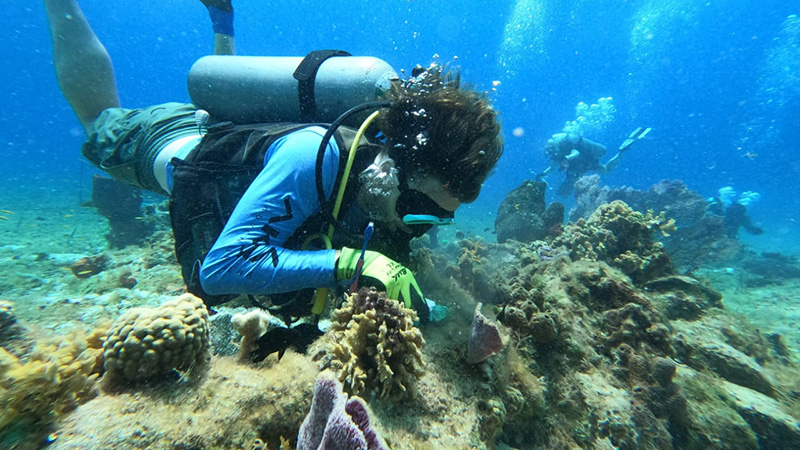
CCRRP is working with various organizations and universities to save these corals from extinction. We invite visitors to join our Cozumel Coral Reef Conservation Course to get certified and volunteer to help rebuild the reef. We hope through our partnership with Canopi, we can get more visitors interested in regenerative tourism and individual action.
Help support our work here in Mexico and make a difference.
Frequently Asked Questions
When was the Cozumel Marine Park established?
The Cozumel Marine Park (Parque Nacional Arrecifes de Cozumel) was formally established by presidential decree in 1996. However, the park's boundaries were controversially redrawn as early as 1994 to accommodate the construction of the International Cruise Terminal — before the park was even officially gazetted.
What happened to the fourth cruise pier in Cozumel?
On September 19, 2025, Mexico's federal environmental authority Semarnat officially revoked the environmental impact authorization for the fourth pier project, following months of community protests and legal pressure. The project has been removed from Apiqroo's master plan, though local conservationists remain watchful given the powerful development interests behind it.
What is the Cozumel Coral Reef Restoration Program?
The CCRRP is a Mexican non-profit founded in 2013 by marine biologist Dr. German Mendez to restore coral species damaged by decades of unsustainable development. To date, the program has built 29 coral restoration platforms and planted over 10,000 coral fragments on Cozumel's reefs.
Can visitors get involved in reef restoration in Cozumel?
Yes. Through Canopi's partnership with CCRRP, travelers can join the Cozumel Coral Reef Conservation Course — a hands-on program where you get certified and volunteer directly on active reef restoration. No prior diving experience required.

You will be helping
Cozumel Coral Reef Restoration Program
Dr. German Mendez founded the Cozumel Coral Reef Restoration Program in 2017 to conserve and restore Cozumel’s coral species affected by unsustainable development, overtourism, and climate change. We grow and restore damaged corals in our aquarium and coral garden, then plant them in the Villablanca Reef. To date, we’ve built 29 coral restoration platforms and planted over 10,000+ coral fragments! We research coral reproduction, diseases, and water contamination, and offer educational programs to tourists and Cozumeleños, empowering them to help protect and regenerate their coral reefs.