
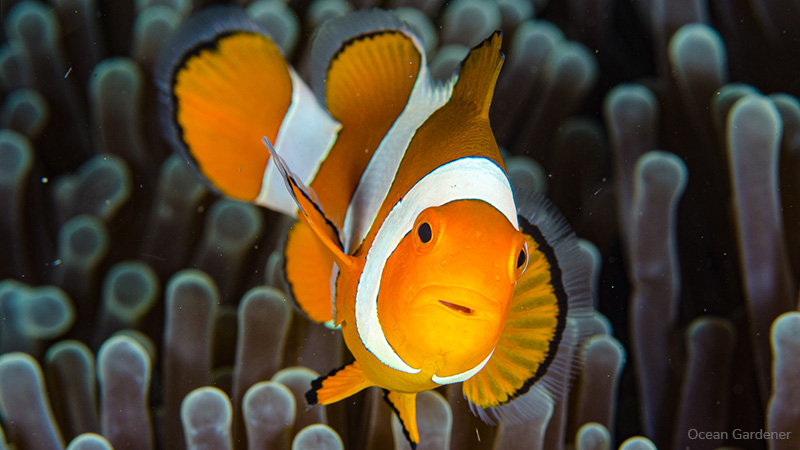
Discover Bali's Hidden Gem: A Vibrant Underwater World
Bali, often celebrated as "the Island of the Gods," captivates visitors with its lush rice fields, ancient temples, and rich cultural traditions. Yet, many overlook a crucial aspect of its allure: Bali's prime location within the Coral Triangle, one of the most biodiverse marine regions on Earth.
What is the Coral Triangle?
The Coral Triangle, as its name suggests, is a triangular expanse encompassing the waters of the Philippines, Malaysia, and Indonesia.
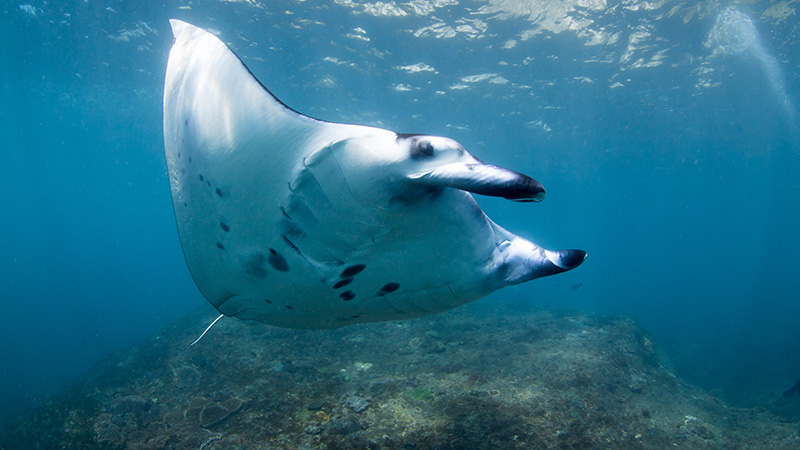
The Coral Triangle is globally recognized as the epicenter of marine biodiversity, encompassing an extraordinary 76% of the world's known reef-building coral species (approximately 600) and hosting over 2,000 species of reef fish, which is about 37% of the global total. This relatively small region is also critical habitat for six of the world's seven marine turtle species, five species of commercially important tuna, and numerous other iconic megafauna like manta rays, dolphins and whales.
In fact some of the popular, some of the popular tourist destinations in Bali revolve around them. Like the dolphins in Lovina in north Bali, or Manta Point in Nusa Penida.
Bali, particularly the Nusa Penida region, benefits from its position between the Pacific and Indian Oceans. Waters from the Pacific surge through the straits between Bali and Lombok, creating an upwelling of cold, nutrient- and plankton-rich water—an ideal environment for thriving coral reefs.
Threats to Bali's Reefs
Thanks to its unique geography, Bali's corals are largely in good condition. The cooler waters provide a natural buffer against the coral bleaching caused by rising ocean temperatures due to climate change, making it less of an immediate threat compared to other regions.
However, human factors pose more pressing dangers to these fragile ecosystems. In areas like Amed and Tulamben, we've observed significant reef decline due to sedimentation due to the loss of vegetation and urban build-up. The volcanic soil is washed onto the reef in heavy rains and smothers the corals.
The rapid build-up of homesteads and hotels have also meant wastewater treatment is an after-thought. Septic tank effluent often leaches into the ground or released into drains that leaches directly onto the reefs.
Case Study of Regenerative Potential in Ped, Nusa Penida
Ped is a small fishing community in Nusa Penida. In the past, tour boat operators indiscriminately anchored their boats, shattering the coral reefs into small, lifeless fragments that now tumble with the waves. This unstable substrate prevents new growth of coral and the fish and other marine life disappeared.
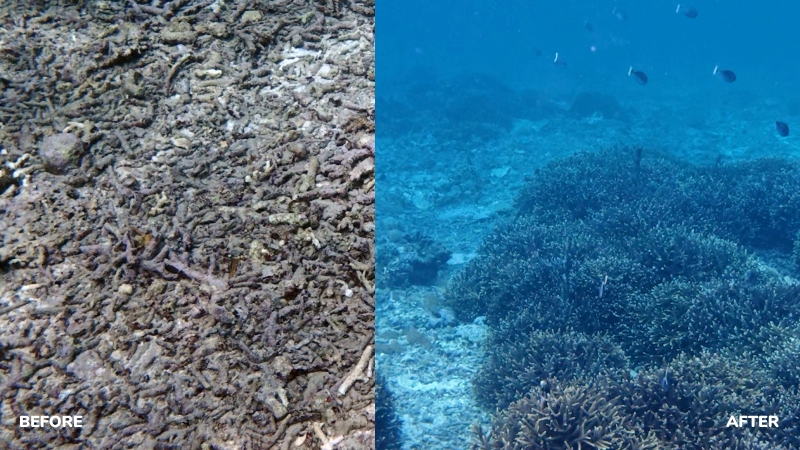
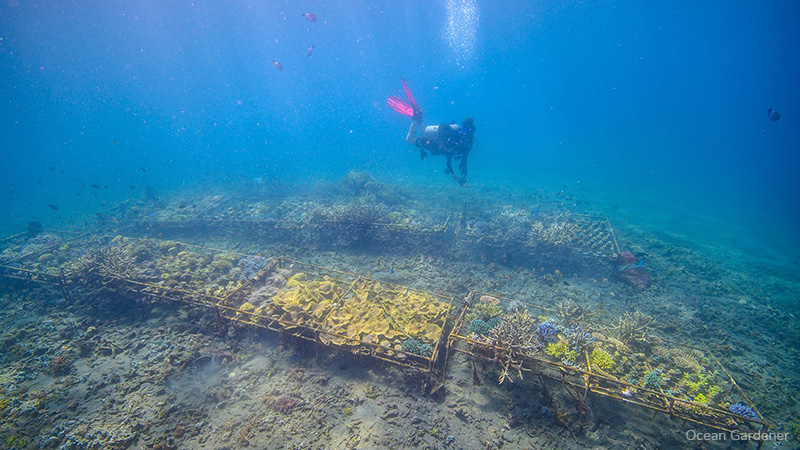
For the past seven years, Ocean Gardener has been diligently working with the local fisherman's community, Nuansa Pulau , to restore these destroyed reefs. This collaborative effort has instilled a profound sense of pride in the local community as the young boys of the fishermen community are witnessing the tangible results of their hard work. The fish came back!
This ongoing effort shows remarkable progress, visible to anyone visiting the Ped restoration site. Newer plantings appear as small fragments with the ropes and stakes still visible\, while sections that are seven years old have blossomed into vibrant fields of purple and gold Acropora staghorn coral.
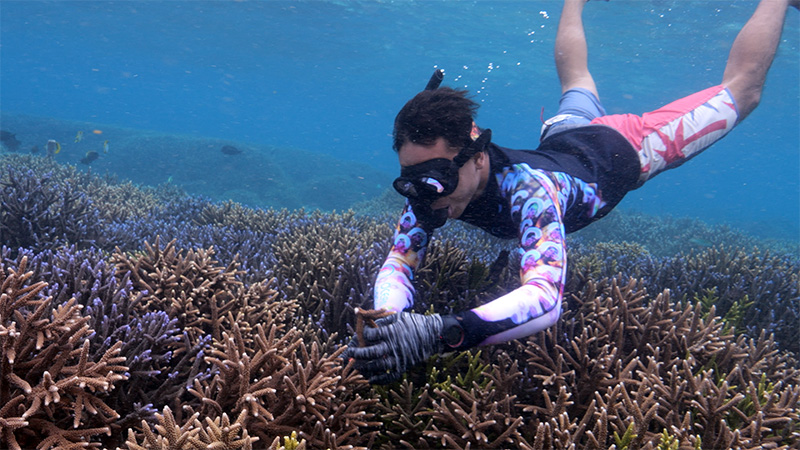
These complex coral structures provide essential habitat and hiding places for a diverse array of fish and other marine life. Consequently, the areas around the restoration site are teeming with fish.
We hope you will join us in our fight to preserve and restore the reefs of Bali and Indonesia. We offer courses for scuba divers and marine biologists to learn more about Coral Restoration. Also through Canopi, you can come visit our coral restoration sites around Bali to plant a coral and help fund our work.
The Bali reefs are still alive and spawning each year, so there is still hope. Remember where there are no corals, there will be no fish.
You will be helping
Ocean Gardener
Ocean Gardener is a Bali-based coral reef restoration non-profit. Established in 2016, they are a diverse team of biologists, divers and coral enthusiasts that drive to make change by restoring Indonesia’s degraded reef areas. Vincent, the founder, has over 25 years of coral farming experience and they have achieved great success rates with their coral restoration sites. They actively partner with local communities, hotels, resorts and dive shops to setup and deploy coral nurseries using our protocols. From these nurseries, we harvest donor coral to restore the surrounding reefs. Collectively with their partners, they have planted over 1 million corals. They offer visits to their coral nurseries in 3 different locations in Bali, as well as short and long format courses to learn about coral restoration. The proceeds from the visits and courses goes back into the community coral planting programs and coral research into their reproduction to see how the knowledge can be used to help save the reefs that are threatened by global warming.