
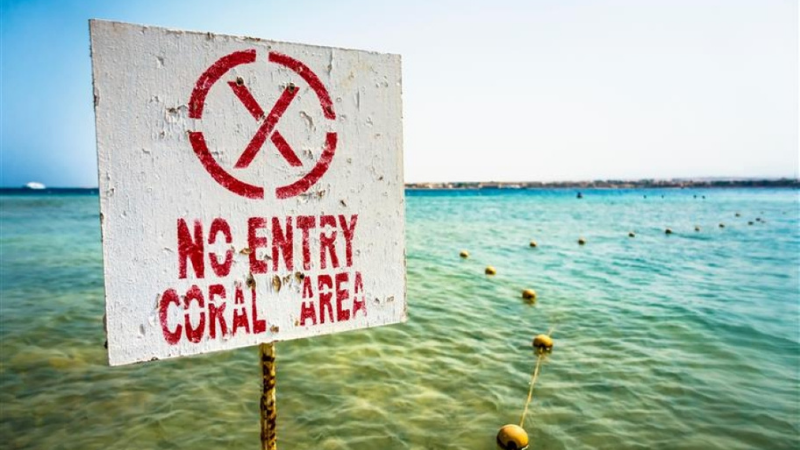
The Bezos Earth Fund Didn’t Just Protect an Ocean — It Exposed a Bigger Truth About Travel
The Bezos Earth Fund Didn’t Just Protect an Ocean — It Exposed a Bigger Truth About Travel
The Bezos Earth Fund recently committed $24.5 million toward protecting the Eastern Tropical Pacific Marine Corridor, a vast and biologically significant area connecting marine protected zones off the coasts of Costa Rica, Ecuador, Panama, and Colombia. This investment is specifically aimed at strengthening conservation efforts by funding local stewardship, science, enforcement, and cross-border cooperation within this crucial migratory route for marine species.
It is being framed as a conservation win. And it is.
But the more interesting story isn’t the money, the size of the marine corridor, or even the species being protected. It’s this:
We are finally admitting that preservation alone isn’t enough — and that large-scale regeneration requires people, presence, and participation.
That realization has profound implications for the future of travel.
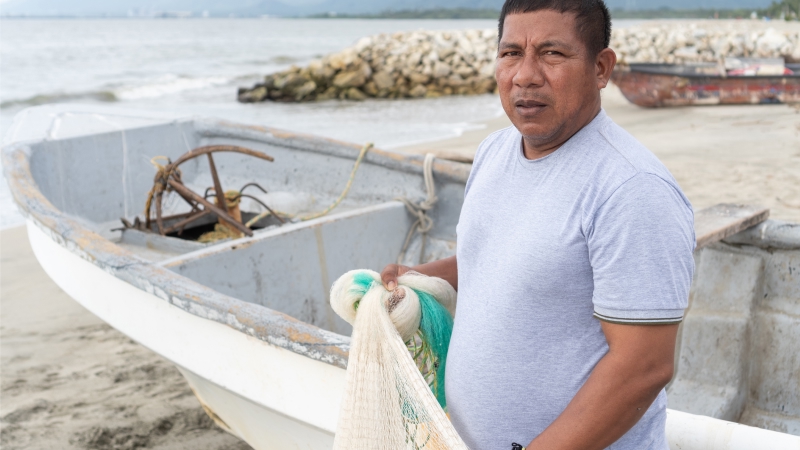
The Old Model: Protect Nature by Keeping Humans Out
For decades, conservation followed a familiar playbook:
- Draw lines on a map
- Restrict access
- Reduce human presence
- Hope ecosystems recover
That model worked in places — but it also created unintended consequences:
- Communities were sidelined
- Funding gaps widened
- Enforcement became fragile
- Protection existed on paper, not in practice
The Eastern Tropical Pacific funding mechanism tells a different story. This initiative doesn’t just protect water. It funds local rangers, coastal communities, enforcement, science, and cross-border cooperation. It treats nature as a living system — not a museum exhibit.
That’s not preservation. That’s regeneration.
Our Perspective: Regeneration Fails Without Human Skin in the Game
Here's the uncomfortable truth we don't talk about enough: Nature doesn't regenerate because humans disappear; it regenerates when humans show up differently. The Bezos Earth Fund initiative works because it:
- Centers around local stewardship
- Aligns economic incentives with ecological outcomes
- Treats protection as an ongoing practice, not a designation
- This mirrors what we see everywhere regenerative systems succeed — whether in food, agriculture, or ecosystems.
And it exposes a hard question for travel: If people care enough to protect a place, why wouldn’t we design travel to help fund, sustain, and deepen that protection?
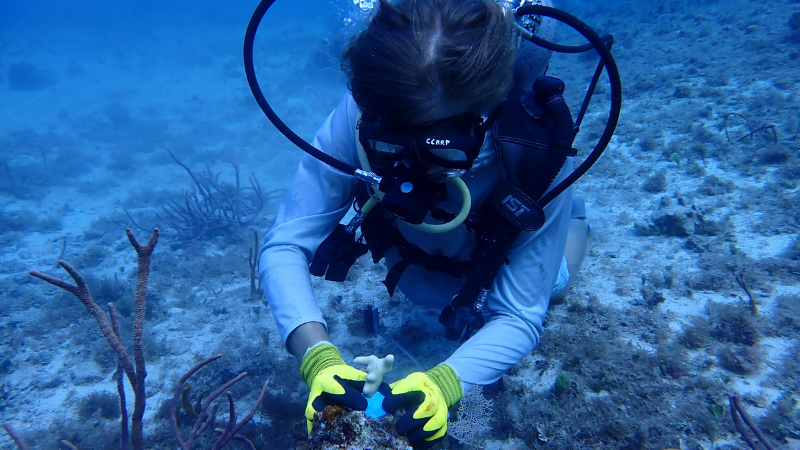
What This Means for the Future of Travel (and Why It Must Change)
Travel has historically lived in an awkward middle ground:
- Too extractive to be sustainable
- Too passive to be regenerative
Carbon offsets, eco-labels, and “green stays” helped reduce guilt — but they didn’t meaningfully improve ecosystems or communities.
The Eastern Tropical Pacific initiative points toward a different future:
- Protection scales when people are economically aligned with it. Coastal communities protecting marine corridors are doing so because protection now sustains livelihoods — not despite them.
- Regeneration requires ongoing funding, not one-time gestures. This isn’t a donation. It’s long-term stewardship infrastructure.
- Systems beat symbols. Protected status without enforcement fails. Travel without accountability does too.
And here’s the critical leap:
Travel, when designed intentionally, can become recurring, reliable funding for regeneration — not a threat to it.
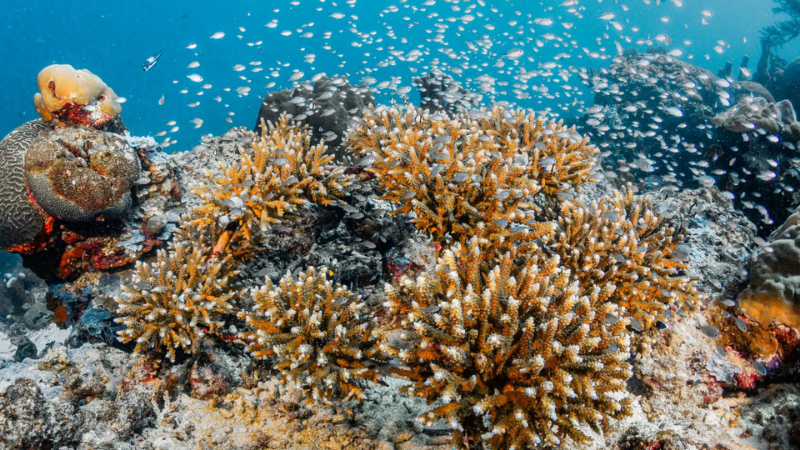
Where Canopi Stands
At Canopi, we believe the future of travel is not simply about minimizing harm, but about actively leaving places stronger because of your presence. The key takeaway from the Eastern Tropical Pacific isn't just to "protect more," but to build systems where human involvement enhances outcomes for both nature and local communities.
That’s why we focus on:
- Community-led experiences
- Economic flows tied to regeneration
- Travel that funds stewardship, not just consumption
- Journeys that create reciprocity, not extraction
Not because it’s trendy — but because every regenerative system that actually works looks like this.
The Bigger Question
The Bezos Earth Fund demonstrates the powerful results achieved when capital, science, and community work together. The more complex, personal challenge we now face is this: What if every journey we take automatically and quietly funds protection, restoration, and local resilience? What if travel, by default, was not just neutral, but a net positive force? This is the future we are working to build—not a future of perfect travel or guilt-free travel, but one where travel actively contributes to a better planet.
Regenerative travel — where the world is better, just because you were there.