The Thin Corridor: Can Conscious Tourism Save the Selva Maya?
The Question I Kept Asking Myself
The Selva Maya — the largest tropical forest north of the Amazon — is under pressure. And yet three governments just signed a historic agreement to protect it.
One of the things I've been wrestling with as we’re building out Canopi's portfolio of regenerative experiences is a simple but surprisingly hard question: what story am I telling?
When someone books a visit to one of our partner communities — Pacchen, Xocen, Kíichpam K'áax — what are they actually contributing to? Not in vague, feel-good language, but with real specificity. Which community. What is the problem. What is your impact.
So I started looking more carefully. And the deeper I looked, the more I realized each place has its own story — and its own urgency.
Not Every Forest And Mayan Community Has the Same Problem
Xocen
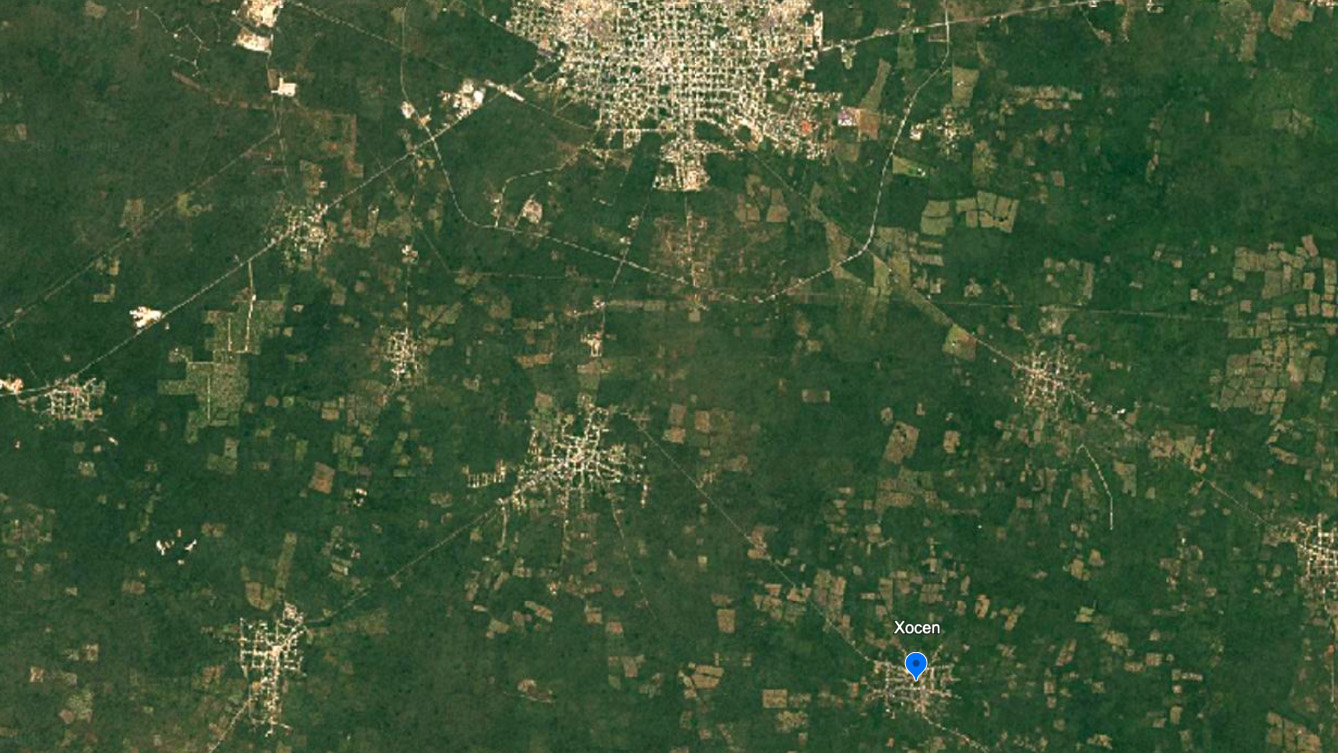
Viewed on Google Earth, Xocen sits deep within intact Maya forest. When we visited, Matilde — our local partner from the Maya Nut Institute — told us the original town was actually further into the forest. The government struck a deal with the founders to relocate closer to the access road, in exchange for infrastructure: a road, water, electricity. Since then, the community has partitioned off areas as nature reserves in their land-use planning.
The story here is conservation — protecting what's already there. Every visitor helps flow eco-tourism dollars into the community, making forest conservation economically competitive with the alternative: clearing land for cattle or milpa farming.
But here's something I didn't expect. Xocen sits just across the road from Punta Laguna. I asked Matilde whether they see spider monkeys in their forest. Not frequently, she said — the spider monkeys inhabit Punta Laguna, protected in part by the community's intact forest, but constrained by Federal Highway 295, which bisects the landscape and cuts off movement between reserves.
Which raises an interesting question: could Canopi and our visitors sponsor rope bridges or other wildlife connector projects here?
Pacchen
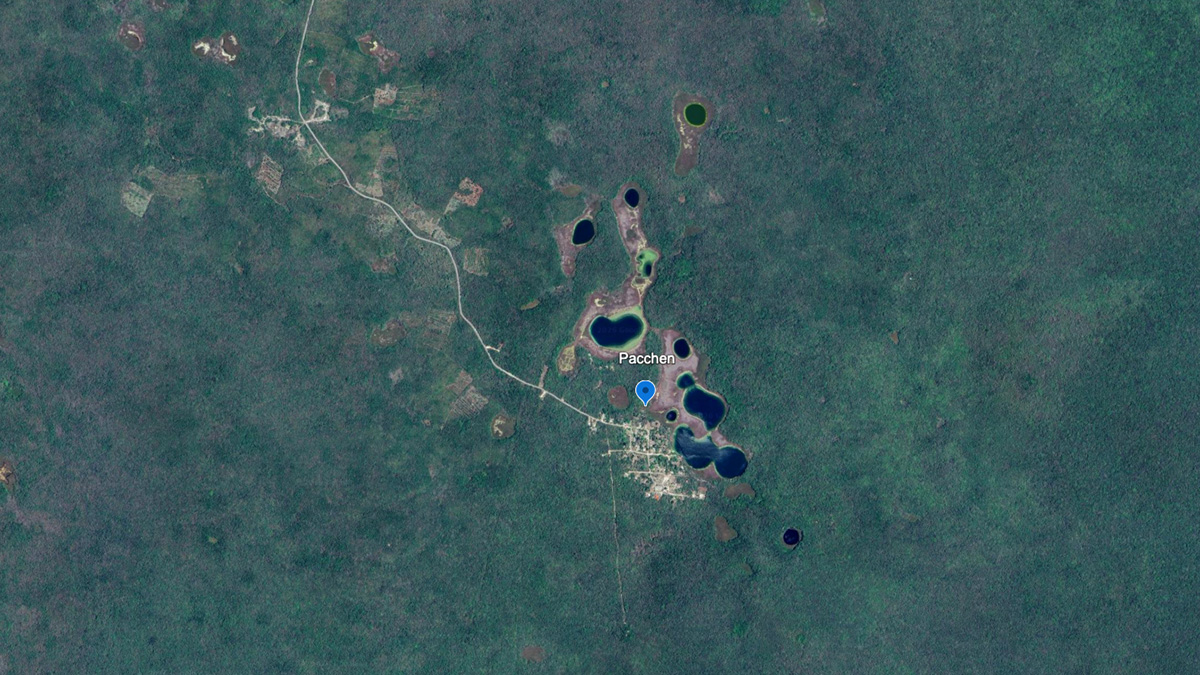
Pacchen sits close to Valladolid — a charming little Maya community with friendly faces. On satellite view, the urban sprawl is visible and the forest is fragmented. The story here was less clear to me at first. Is there even wildlife left? Will it come back if we plant trees?
Pacchen locals runs birdwatching tours, so wildlife is still there, if diminished. Currently reforestation occurs in small patches in various adjacent communities. I guess it is still progress as backyard plantings still create micro-habitats which can bring some birdlife and insects back.
Kíichpam K'áax — and the Bigger Picture
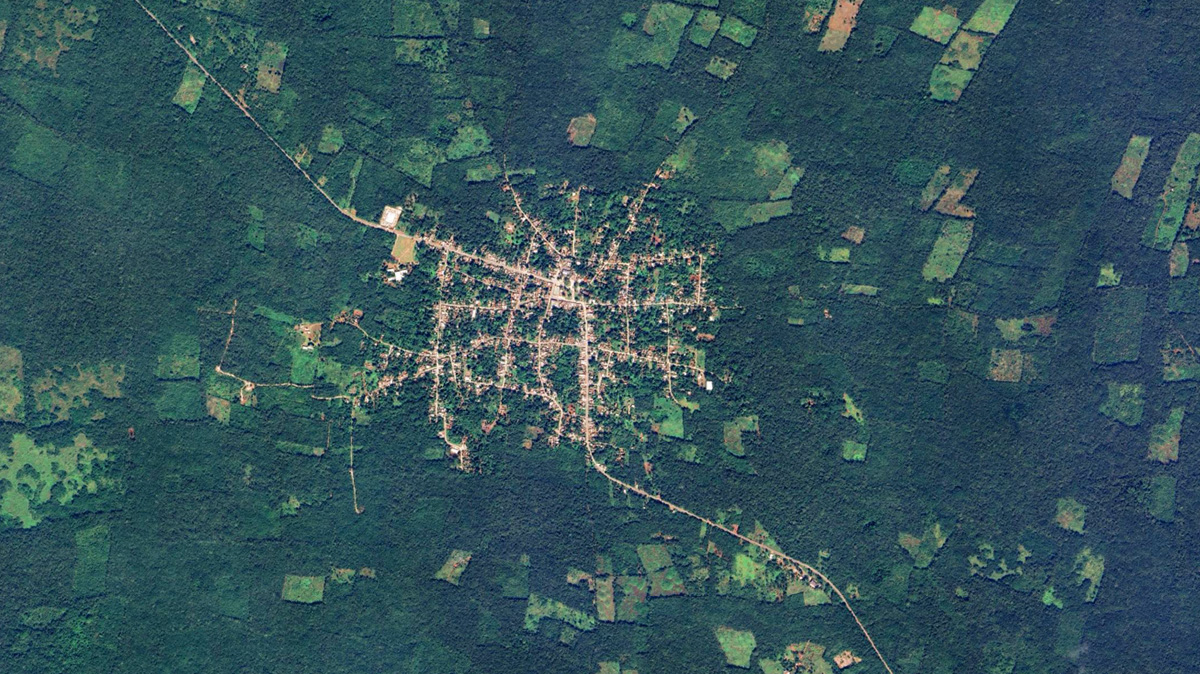
When I looked at the map around Kíichpam K'áax (Selva Bonita — Beautiful Jungle), something striking appeared. The community has done remarkable work: the forest has come back and the land around them is green. But patches of deforestation are visible as urban sprawl spreads outward — and right next door, clearly visible on the satellite map, sits the Balam K'aax reserve.
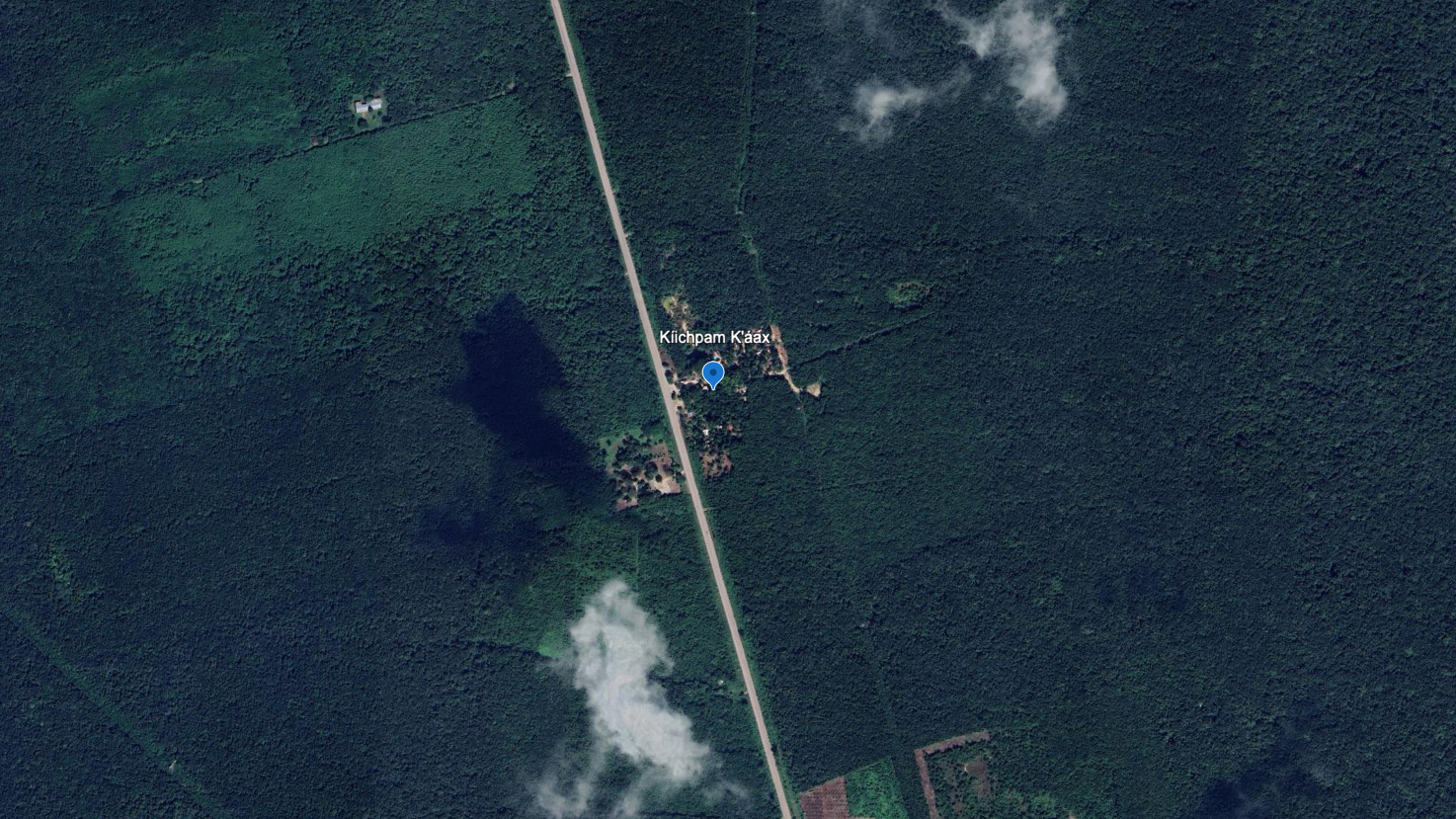
That proximity led me to start digging further. And what I found changed how I think about everything Canopi is doing.
In August 2025, the presidents of Mexico, Guatemala, and Belize met in Calakmul, Campeche — together for the first time — and signed the Declaration of Calakmul, formally establishing the Gran Selva Maya Biocultural Corridor. The agreement unites 50 existing protected areas across three countries under one formal framework — Mexico's Calakmul Biosphere Reserve, Balam Kú, and Bala'an K'aax; Guatemala's Maya Biosphere Reserve and Mirador-Río Azul National Park; Belize's Río Bravo Conservation Area and Aguas Turbias — spanning approximately 5.7 million hectares of protected forest and the connectors between them.
The commitment is to do exactly what the name implies: create a corridor — so that jaguars, tapirs, and scarlet macaws can move freely across all three countries without the forest being severed. Extraordinary news.
But here's the thing. Most of those 50 protected areas already exist. What the Declaration doesn’t define is the concrete actions or areas that will connect them. And when I pulled up the satellite map, I could see exactly where those connectors are under threat.
The Punta Laguna reserve sits visibly disconnected from Sian Ka'an — a gap of farmland and road infrastructure eating into the space between them. Further south toward Campeche, there's a sliver — a genuinely thin sliver — of forest that is supposed to link Bala'an K'aax in Quintana Roo to Balam Kú and Calakmul in Campeche, and from there, all the way into Guatemala and Belize. That thread is the connective tissue of the entire corridor.
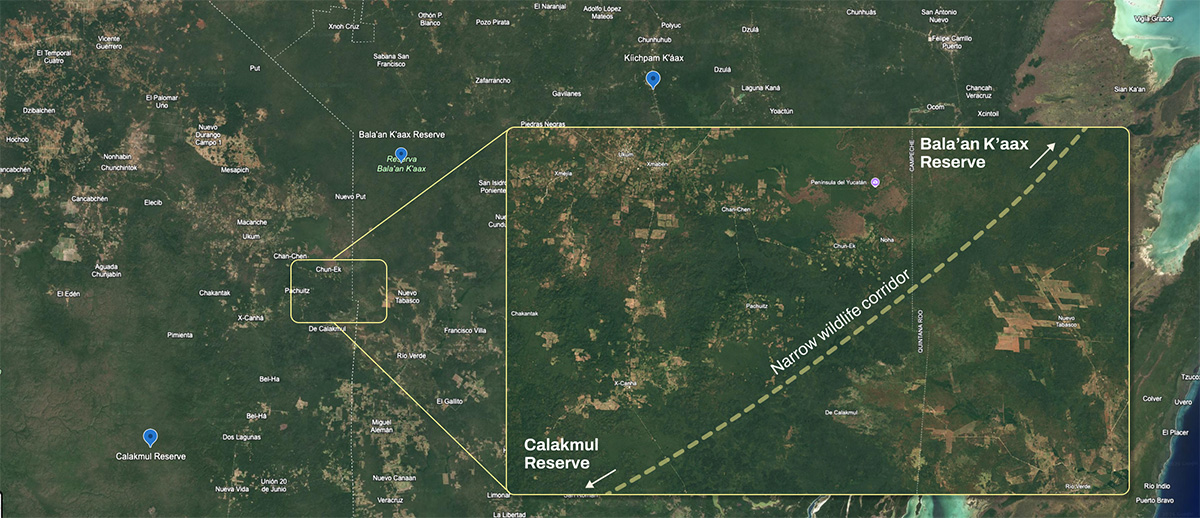
Could we help connect the reserves?
Here's the uncomfortable reality: buying land is expensive. Prohibitively so. But the Declaration of Calakmul also explicitly recognised Voluntary Conservation Agreements as a cornerstone of the corridor strategy — landowners and ejidatarios choosing to steward their land for wildlife, given the right support and economic incentives.
The proof it works already exists just across the border. The Belize Community Baboon Sanctuary, founded in 1985, never purchased a single hectare. Instead, 170+ landowners across 7 villages signed a simple pledge: leave enough forest standing along waterways and between properties for wildlife to move through. The black howler monkey population grew from 800 to over 3,500. The forest held. The community earned income from tourism. It was a win-win for everyone.
Could this work along the corridor connecting Balam K'aax to Calakmul? Could ejidatarios along that fragile thread sign voluntary pledges — in exchange for tourism income or tree adoption revenue from partners like Canopi and Maya Nut Institute?
What Can Visitors Actually Do?
Reforestation doesn’t need to occur exactly where the learning happens.
Visitors can experience regenerative communities near Valladolid, Tulum, Cancun. But the tree adoptions and funds from those visits can flow strategically into the corridor zones that need them most. The experience happens where people already visit on vacations. The impact lands where the ecological stakes are highest.
The Selva Maya corridor is still connectable. The thread is thin — but it hasn't broken yet. My hope with Canopi is a community-based model, powered by conscious tourism and strategic reforestation, could help widen and protect it before it's too late.
I'd love to hear your thoughts — and if you're working on corridor conservation, community land stewardship, or regenerative tourism in the Mayan jungle, let's talk.


Frequently Asked Questions?
What is the Selva Maya?
The Selva Maya is the largest tropical forest north of the Amazon, spanning Mexico, Guatemala, and Belize across roughly 35 million hectares. It's home to jaguars, tapirs, spider monkeys, and hundreds of bird species — as well as millions of Maya people whose communities have stewarded the land for centuries.
What is the Gran Selva Maya Biocultural Corridor?
The Gran Selva Maya Biocultural Corridor is a historic agreement signed in August 2025 by the presidents of Mexico, Guatemala, and Belize. It formally unites 50 existing protected areas under one cross-border framework, with the goal of letting species like jaguars move freely across all three countries without hitting walls of farmland or road.
Can tourism really help protect the Selva Maya?
Yes — but only when revenue flows directly to the communities stewarding the forest. Eco-tourism income gives Mayan ejidatarios a concrete economic incentive to protect rather than convert their land. Communities like Xocen and Kíichpam K'áax already use visitor income to fund conservation and reforestation on their own terms.
What is conscious tourism?
Conscious tourism means choosing experiences that actively benefit the destination — its people, ecosystems, and culture — rather than simply minimising harm. In the Selva Maya context, it means visiting Mayan-led communities, paying fair prices, and choosing operators whose model is built around measurable conservation impact.
What's the difference between Xocen, Pacchen, and Kíichpam K'áax?
Each community has different conservation needs. Xocen protects intact primary forest; Pacchen focuses on reforesting degraded land near Valladolid; Kíichpam K'áax ("Beautiful Jungle") has already brought back significant forest cover and sits near the critical corridor linking Mexico to Guatemala and Belize.
How can I visit the Selva Maya responsibly?
Visit Mayan-led community experiences rather than mass-market eco-lodges. Canopi partners directly with communities like Kíichpam K'áax and Punta Laguna — every booking funds conservation on the ground. Look for operators transparent about where tourism revenue actually goes.