Regenerative Travel: How Canopi Vets Impactful Eco-Experiences
As we began scouting for the world's most authentic eco-friendly experiences, one question kept coming up: “Does this experience belong on Canopi?”. From passionate teams saving firefly populations in Bali to community-led eco-stays in Mexico, our search for impact has been vast.
What is Regenerative Travel?
Unlike traditional sustainable tourism, which seeks to "do no harm," regenerative travel aims to actively restore and improve the destination. It’s the difference between leaving a place as you found it and leaving it better.
We agree with the Global Sustainable Tourism Council in the belief that permanent impact requires a model that benefits both the environment and its people. Too often, conservation projects collapse the moment a foreign NGO leaves because they lacked deep local buy-in. We believe that since local communities are the true custodians of the land, the work must be rooted in their prosperity to be truly sustainable.
Initially, we looked at how other global NGOs benchmark their conservation and restoration efforts. Standard metrics often focus on the cost per tree/coral planted or the survival rates of restored areas. While valuable, we found nothing that felt immediately applicable to the unique connection between a traveler and a local project.
This realization led us to develop our own internal standard for vetting and communicating impact to our community: “The Mission Statement”.
The Canopi Mission Statement: Defining Direct Impact
In building the Canopi platform, we wanted a way for travelers to see their direct impact the moment they consider booking. We designed a "Mission Statement" to sit right below the booking button, serving as a vital litmus test for every regenerative travel experience we offer.
Much like a pitch on Shark Tank, this statement must be a short, compelling reason for a visitor to participate:
"[What you will be doing], which helps [what you will be impacting]"
If our team can quickly write a mission statement that is coherent in its impact and easily understood. It passes our test. Through all the years as a product designer, it’s the KISS principle at work - Keep It Simple, Stupid!
Featured Regenerative Experiences & Their Impact
To see how this works in practice with our current partners:
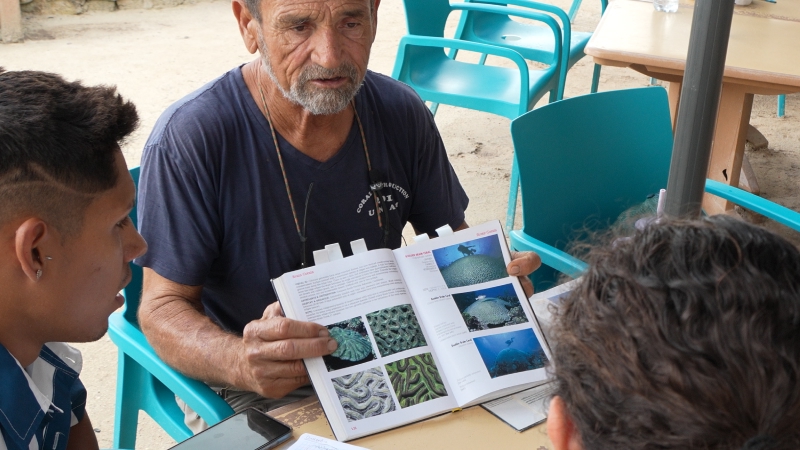
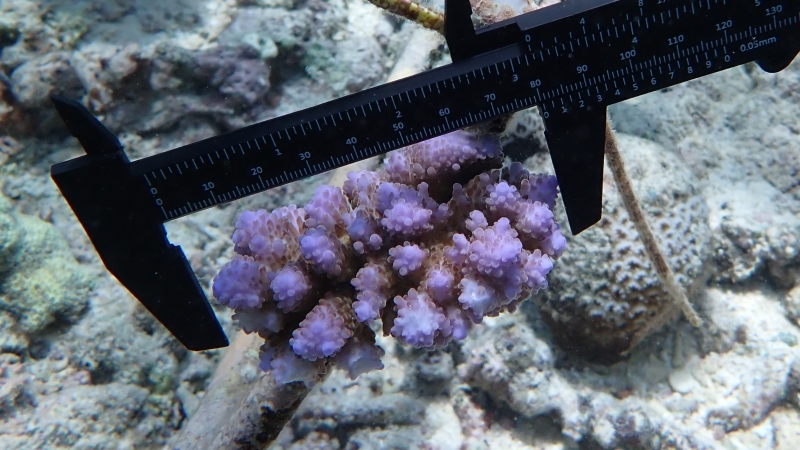
- Coral Restoration Scuba Course (CCRRP) : Learn about corals, their restoration and finally help plant a fragment, which helps fund the NGO’s coral restoration work.
- Spider Monkey forest visit with Mayan community (Punta Laguna): Spot wild spider monkeys in their natural habitat with a local guide, which supports the local community and their conservation the forests and wildlife.
- Traditional Mayan Cooking Class For The Forests (Kíichpam K´áax) : Take a traditional Mayan cooking class which supports the community reforesting and conserving the forest.
- Free Dive And Replant The Reefs (Gaia One): Join this 8-day immersive stay to learn about coral restoration and plant corals during your freedives to increase coral cover.
Evolving Impact & Accountability
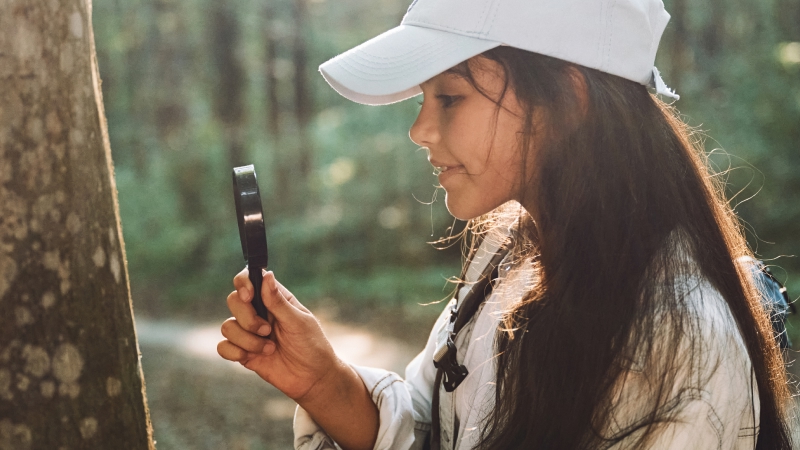
Our vetting process is always evolving. Beyond the Mission Statement, we are committed to direct collaboration projects with our partners that expand their reach. Some projects we hope to explore aim to help us collectively quantity the health or diversity of the restored areas compared to other baselines. By empowering citizen science visitors and volunteers, we hope to help quantify the recovery of ecosystems through:
- Forest Ranger Programs: Utilizing drones to prevent illegal logging.
- Wildlife Surveys: Using camera traps to monitor biodiversity.
- Reef Assessments: Conducting transects to sample marine life diversity.
- Outreach programs: Helping other communities pivot from extractive economies to a regenerative one.
As we grow, we aim to create "economies of scale" where conservation tools and methods can be shared across different NGOs and communities through the Canopi network.
"In the end, we will conserve only what we love, we will love only what we understand, and we will understand only what we are taught."
Baba Dioum, Senegalese conservationist
By curating these hard-to-find experiences in one place, we aim to remove the roadblocks to discovery for conscious travelers. We believe that every small step helps remediate the damage done to our planet. Explore our regenerative experiences today.