Why Protecting Our Forests Is Non-Negotiable
When we started the Canopi project, we didn’t just want to build another travel platform; we wanted to create a bridge connecting travelers to genuine, regenerative experiences that actively heal the plane. We wanted to help NGOs and local communitues gain more digital reach so they can unlock more funds to do their work.
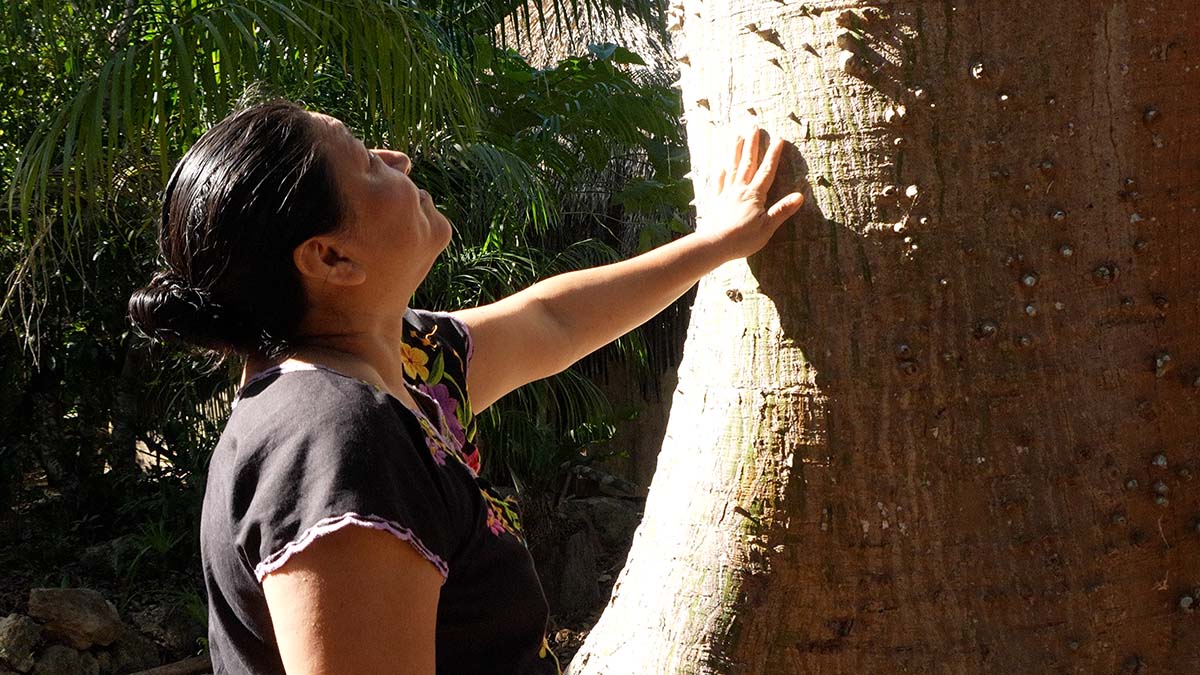
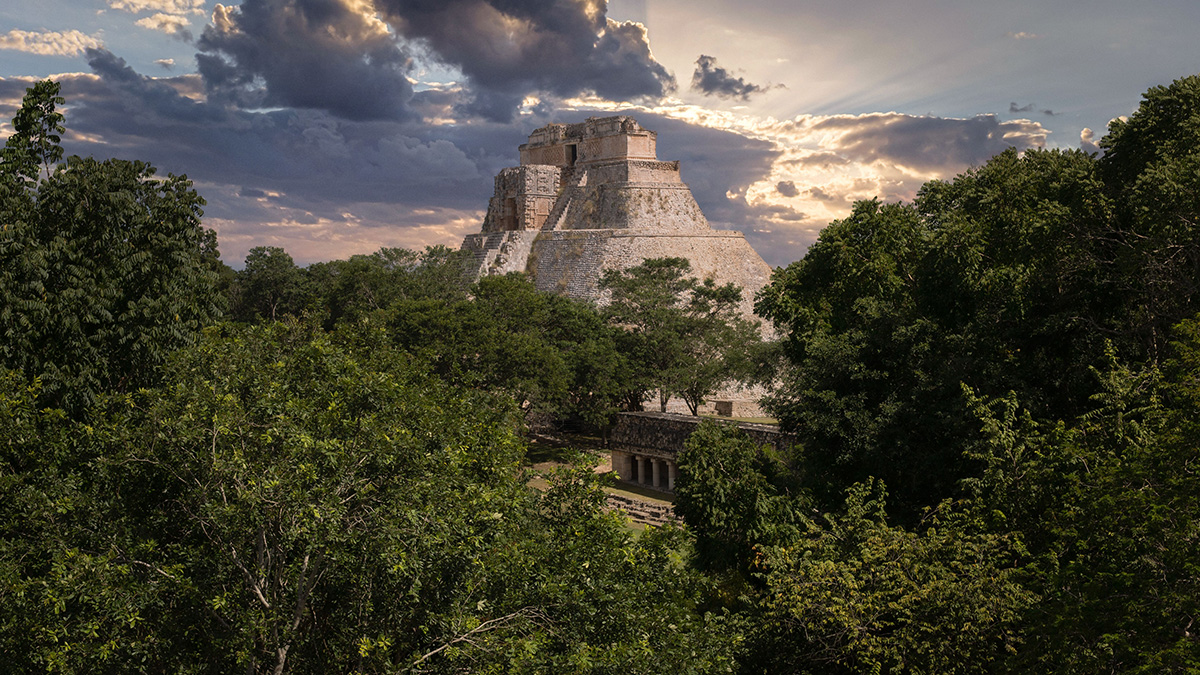
Fortunately, I am blessed to call the beautiful Yucatan peninsula home. Every morning, I feel extremely blessed to see broad swathes of emerald-green canopy stretching toward the horizon. There are so many day trips to view coral reefs, mangroves and forests within a small few hour radius.
This isn’t just a scenic backdrop for a vacation. The Yucatan Peninsula is one of the most profoundly biodiverse places on Earth. It holds the largest contiguous tropical forest in Mexico—the Selva Maya—a vibrant ecosystem that connects us to Central America and sustains life found nowhere else.
But in the rush to visit beaches and ruins, it’s easy to overlook what those trees actually do. Let’s talk about why these forests, hence trees, are important.
What Are Their Specific Roles?
When we talk about forests, we aren't just talking about trees. We are talking about critical ecosystem functions that we cannot survive without. Why should you care? Here are three fundamental reasons:
1. Forest are part of the rain and water cycles
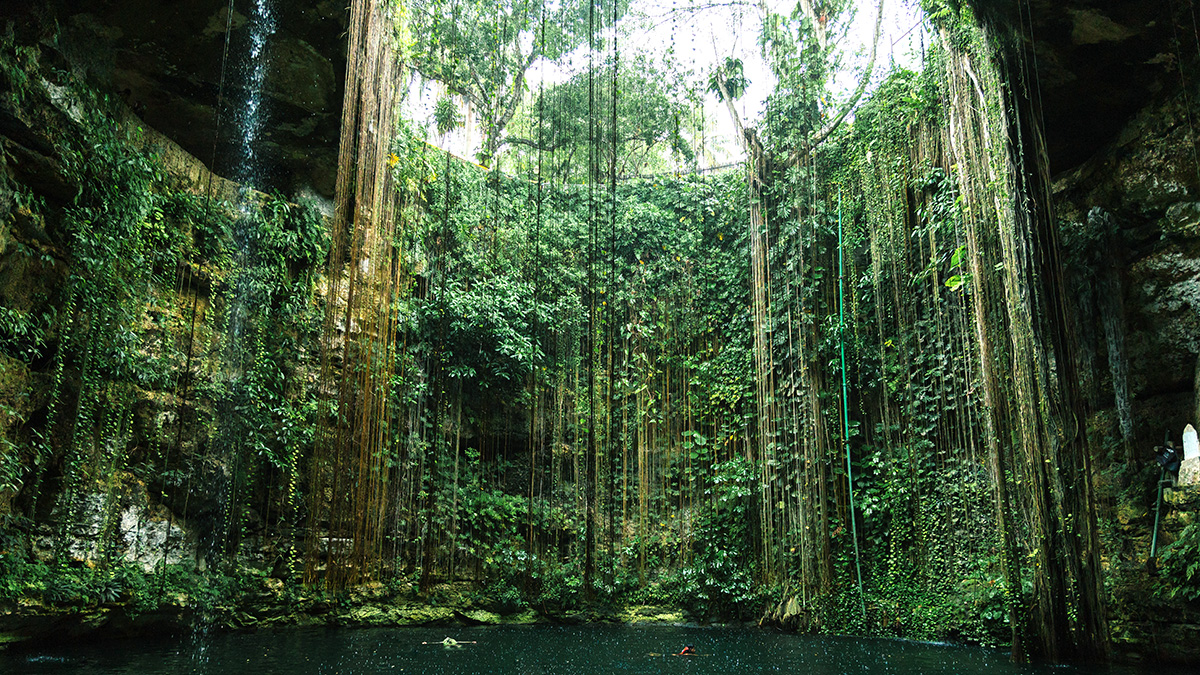
This is especially crucial here in the Yucatan, a land without surface rivers. Our entire region depends on a vast, fragile underground aquifer system. Forests act like giant, living sponges. They catch rain, slow runoff, and allow water to slowly filter down through the limestone, replenishing the very aquifers that provide 5.1 million people with drinking water.
But forests don't just wait for rain—they actively create it. Through transpiration, a single large tree can pump hundreds of liters of water vapor into the sky every day. Even more remarkably, trees release natural organic compounds that act as "seeds" for clouds, triggering the condensation needed for rainfall.
This is most apparent in the Amazon, which functions as the planet's primary "Biotic Pump". The Amazonian forest is so efficient at this that it creates "flying rivers"—massive currents of water vapor in the atmosphere that carry more water than the Amazon River itself. These aerial rivers don't just stay in South America; research from NASA has shown that the health of the Amazon directly influences rainfall patterns as far north as Mexico and the Gulf of Mexico.
When we protect the forest in the Yucatan, we aren't just saving local trees; we are maintaining a link in a global biological engine. Without these trees, the "flying rivers" dry up, the local water cycle breaks, and we are left vulnerable to drought and pollution.
2. Forests provide homes and food to all that biodiversity
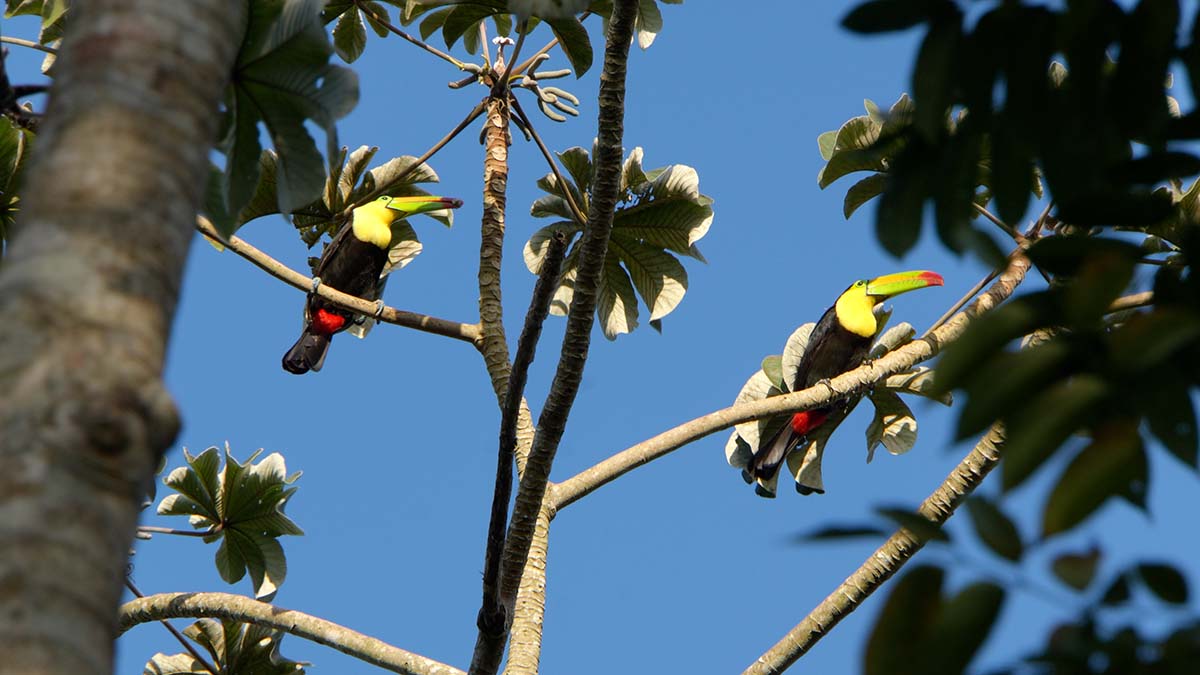
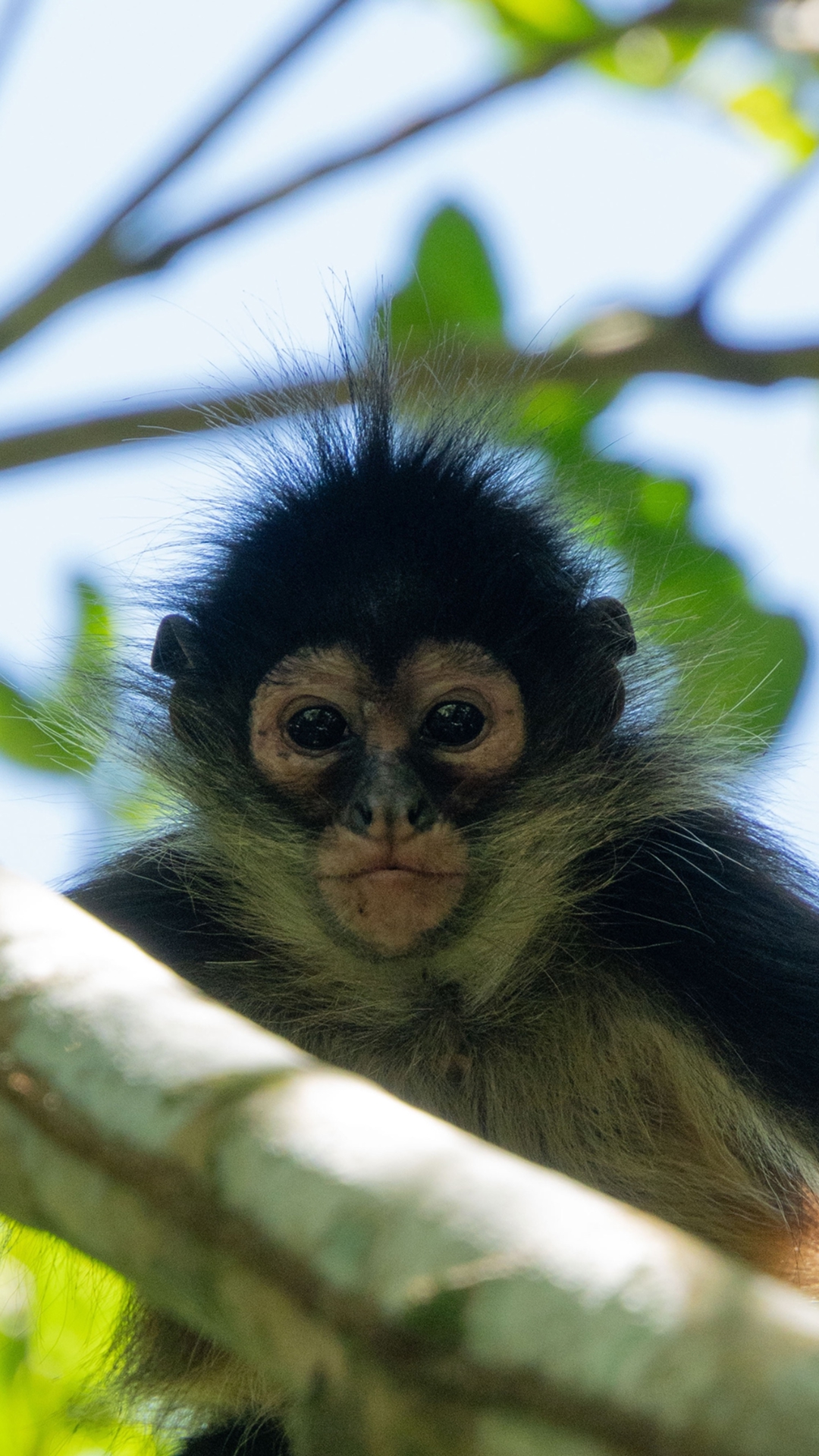
Forests are a network of complex of animal-plant interactions and together they function as one complex life-sustaining system. While covering only 31% of the world’s land area, they host over 80% of all terrestrial life on Earth (FAO, 2024). That includes animals, plants, and insects. In the Yucatan, this means providing essential habitat for iconic species like the jaguar and the Baird's tapir. We’ve seen firsthand how these ecosystems support life in our wildlife conservation projects like the Punta Laguna Spider Monkey Reserve. When the forest disappears, the wildlife disappear too.
3. Forests help regulate the temperature
Forests are our planet’s greatest natural tool in the fight against climate change. They act as massive, living carbon sinks. Forests around the globe capture and store roughly one-third of all carbon dioxide released from fossil fuels every year. When we protect forests, we are protecting the systems that help regulate the temperature of our planet.
Think about the hottest day in a city full of concrete. Where is the most natural place you would want to stand? Under a tree I bet. Collectively, this is what trees do for the planet on a larger scale.
 Ancestral Knowledge: The True Stewards of the Forest
This brings me to the most important part of the story. We cannot talk about the importance of forests without acknowledging who has kept watch over them over the centuries or millenia.
Indigenous communities have often been the most effective stewards of the forest. This is not by accident. Their ancestors lived in the forests, observing their cycles and interactions with the animals. They have found ways to live in respectful equilibrium with the forests.
They developed intricate systems of agroforestry and traditional knowledge that utilize the forest’s resources without destroying its core function. Research shows that deforestation rates are significantly loweron Indigenous-managed lands.
At Canopi.travel, this isn't just theory for us. It is the foundation of our work. The Mayan community experiences we feature are designed specifically to support and learn from this stewardship.
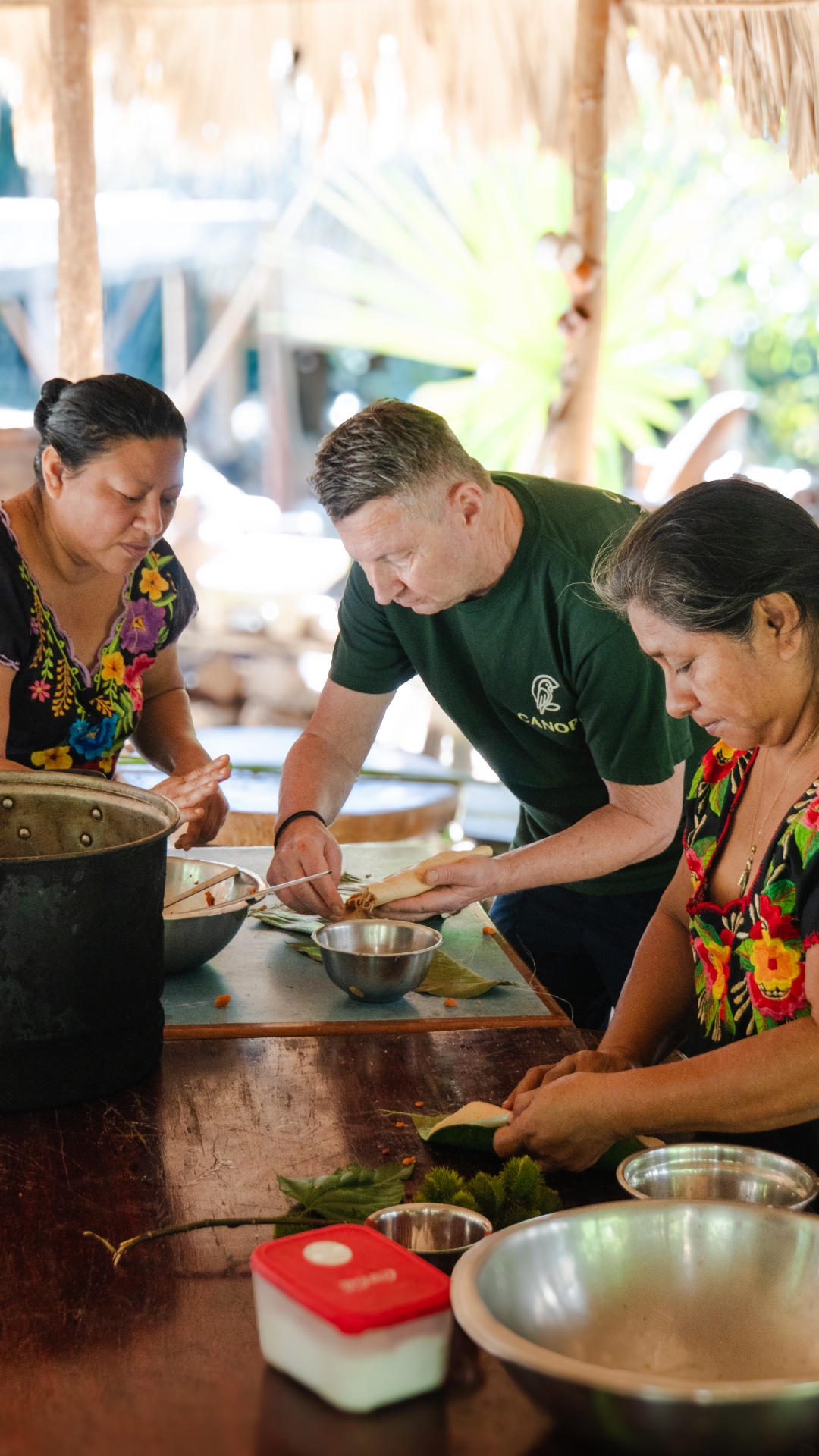
When you join a Mayan family for a Traditional Cooking Class at Kíichpam K’áax, or walk through the forest to spot wild Spider Monkeys at Punta Laguna, you are providing a way for the community to earn a living through sustainable and regenerative travel experiences, instead of more destructive and extractive economy. Your visit directly supports these communities in maintaining their traditional role as rightful guardians of the Mayan jungle.



A System Under Threat But You Can Help
Unfortunately, this vital ecosystem faces monumental challenges. Despite the success of community-led efforts, the Yucatan’s forests are under constant assault. Threats from large-scale industrial agriculture, cattle ranching, and poorly planned urban expansion are nibbling at the edges.
Furthermore, we are witnessing increased forest fragmentation—the breaking up of large, contiguous habitats into smaller, isolated "islands" of trees. This degrades the entire ecosystem, making it harder for wildlife like the jaguar to migrate and reducing the forest’s overall resilience.
These are complex issues that define our time. In my next two articles, I will dive deeper into both the specific threats facing the Yucatan’s forests and how fragmentation is fracturing our natural world.
We cannot afford to lose the heartbeat of the Yucatan. Join us in learning, protecting, and traveling with purpose.