
Bringing A Damaged Reef Back To Life
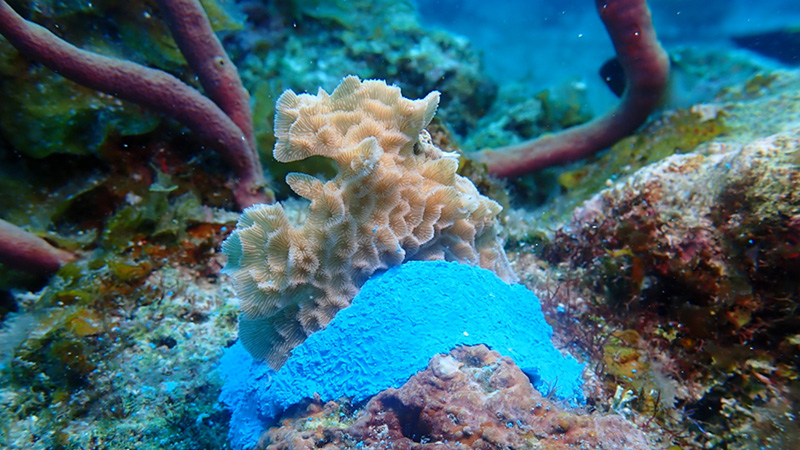
In our previous blog post, we examined what a coral reef is and why they are important. Coral reefs are one of the most important eco-system on the planet, often called the rainforest of the ocean. Similar to rainforests, they are under threat. Nobody sees the “forest fires” if it is under water.
Coral Reefs Around The World Are Under Threat
While coral reefs are naturally resilient to small, localized disturbances, the sheer scale and intensity of modern threats prevent many reefs from recovering on their own. Mass coral bleaching events, driven by rapidly warming ocean temperatures, are perhaps the most visible and catastrophic danger.
Destructive fishing practices (like trawling or dynamite fishing), pollution from untreated sewage and and urban runoff, and physical damage from coastal development, anchors and unsustainable tourism, many reefs are simply overwhelmed and cannot regenerate anymore.
For example, keystone species of Staghorn and Elkhorn corals in Florida are now considered functionally extinct. Individuals are simply too far apart to find mate and reproduce, doomed for extinction. In parts of Nusa Penida, reefs reduced to rubble by platoon moorings tumble in the surge, unable to provide a stable base for life to anchor to and grow.
When the ecosystem reaches the point of no-return, where human intervention through restoration and maintenance is critical in bringing these crucial ecosystems back from the brink.
Coral Propagation Is A Lot Like Plants
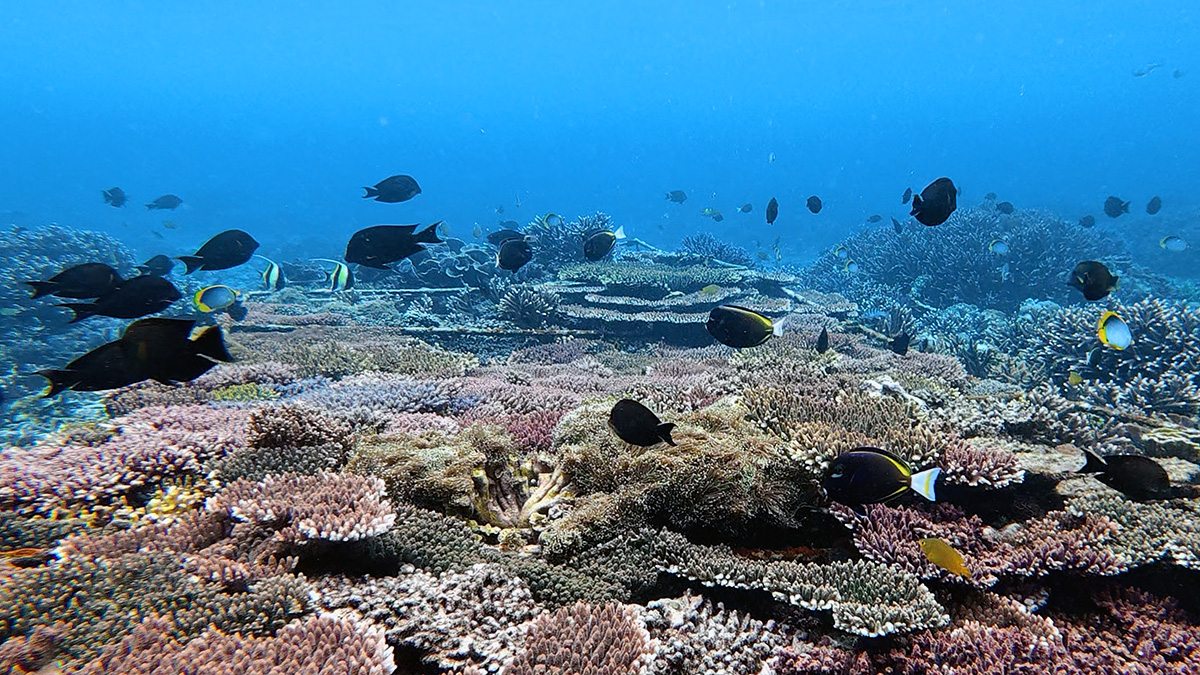
To understand restoration, it's important to know how corals naturally grow and spread. They have two main methods of reproduction, much like plants:
- Asexual Reproduction (The "Cloning" Method): Think of this like taking a cutting from a plant and growing a new, identical plant. Corals can reproduce asexually through a process called fragmentation. If a piece of coral breaks off (say, from a storm or a boat anchor), that fragment can reattach and grow into a new, genetically identical colony. This is the coral's way of cloning itself.
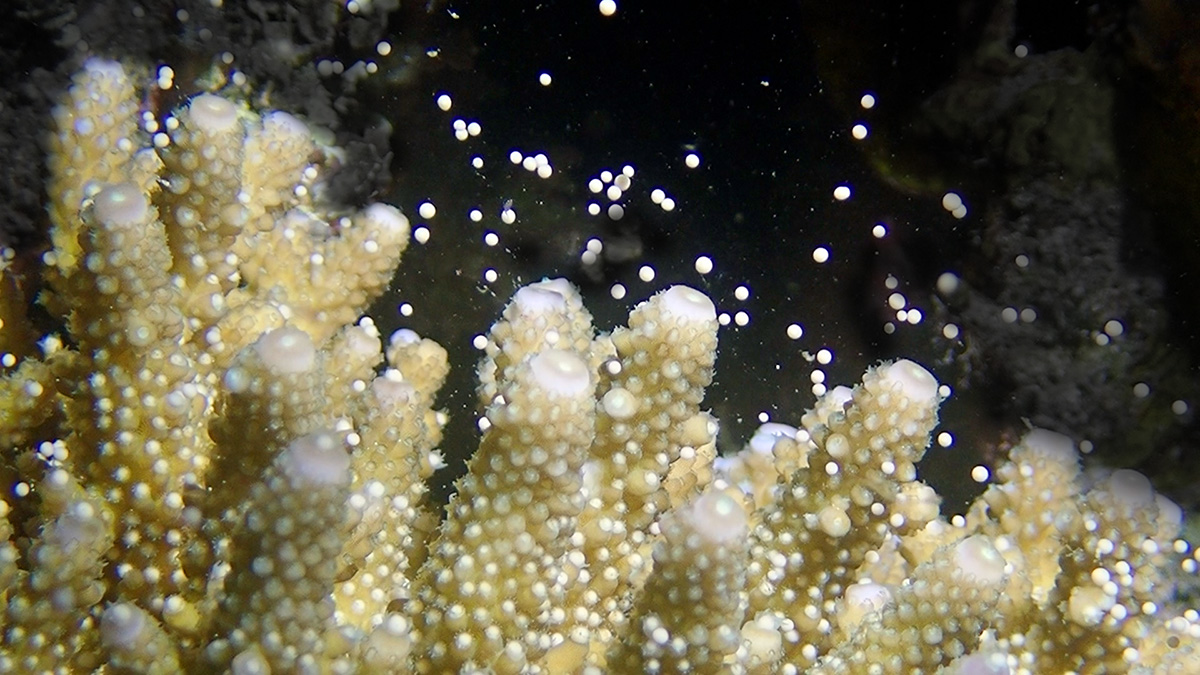
- Sexual Reproduction (The "Seeding" Method): This is more like pollen finding a flower, where male and female gametes recombine to provide biodiversity. At specific times each year depending on the species, many corals participate in a spectacular synchronized event known as "mass spawning." They release millions of eggs and sperm into the water, which then fertilize to form coral larvae. These larvae float in the ocean currents before eventually settling on a hard surface and growing into a new, genetically unique coral colony. This method creates new genetic combinations, which is vital for adaptation.
The Focus on Asexual Reproduction: Easy and Effective (Mostly)
Most coral restoration experiences and projects you'll encounter today, especially those in our coral restoration experiences, primarily focus on asexual reproduction. Why? Because it's relatively straightforward and yields quick results:
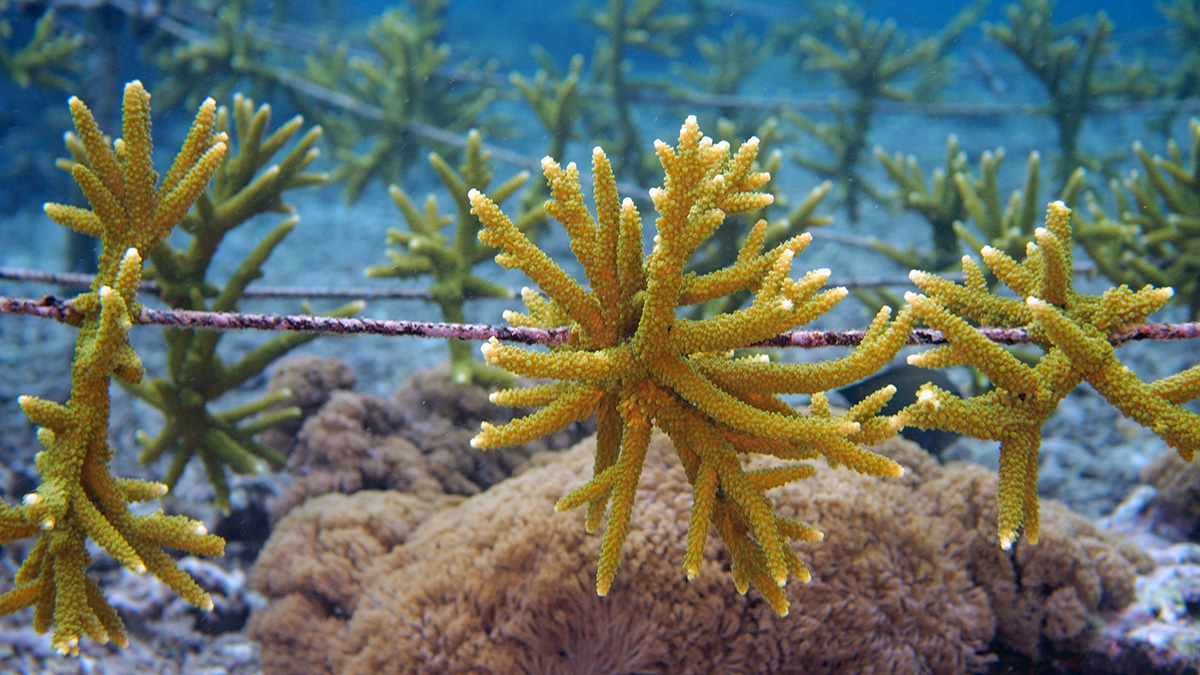
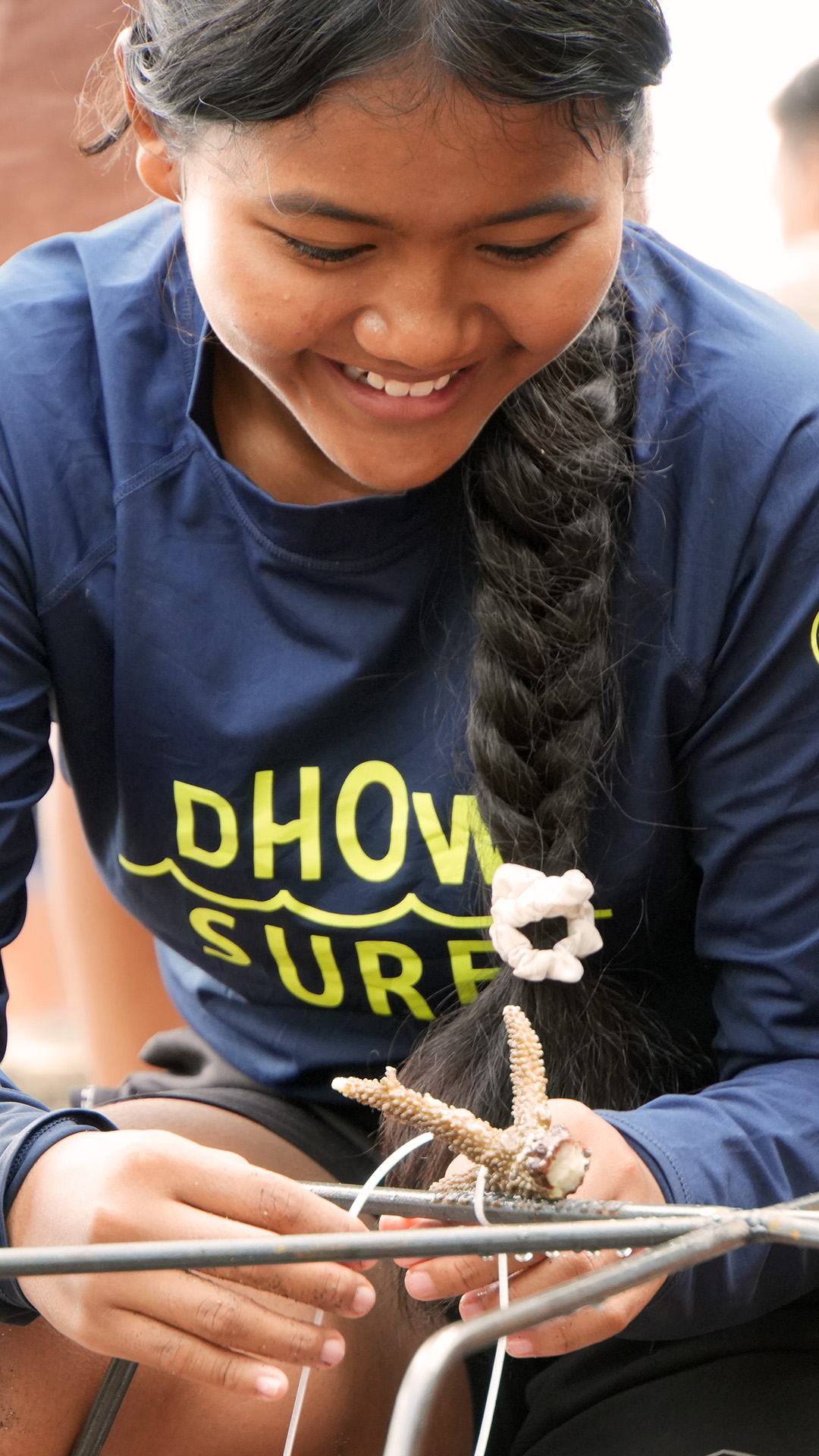
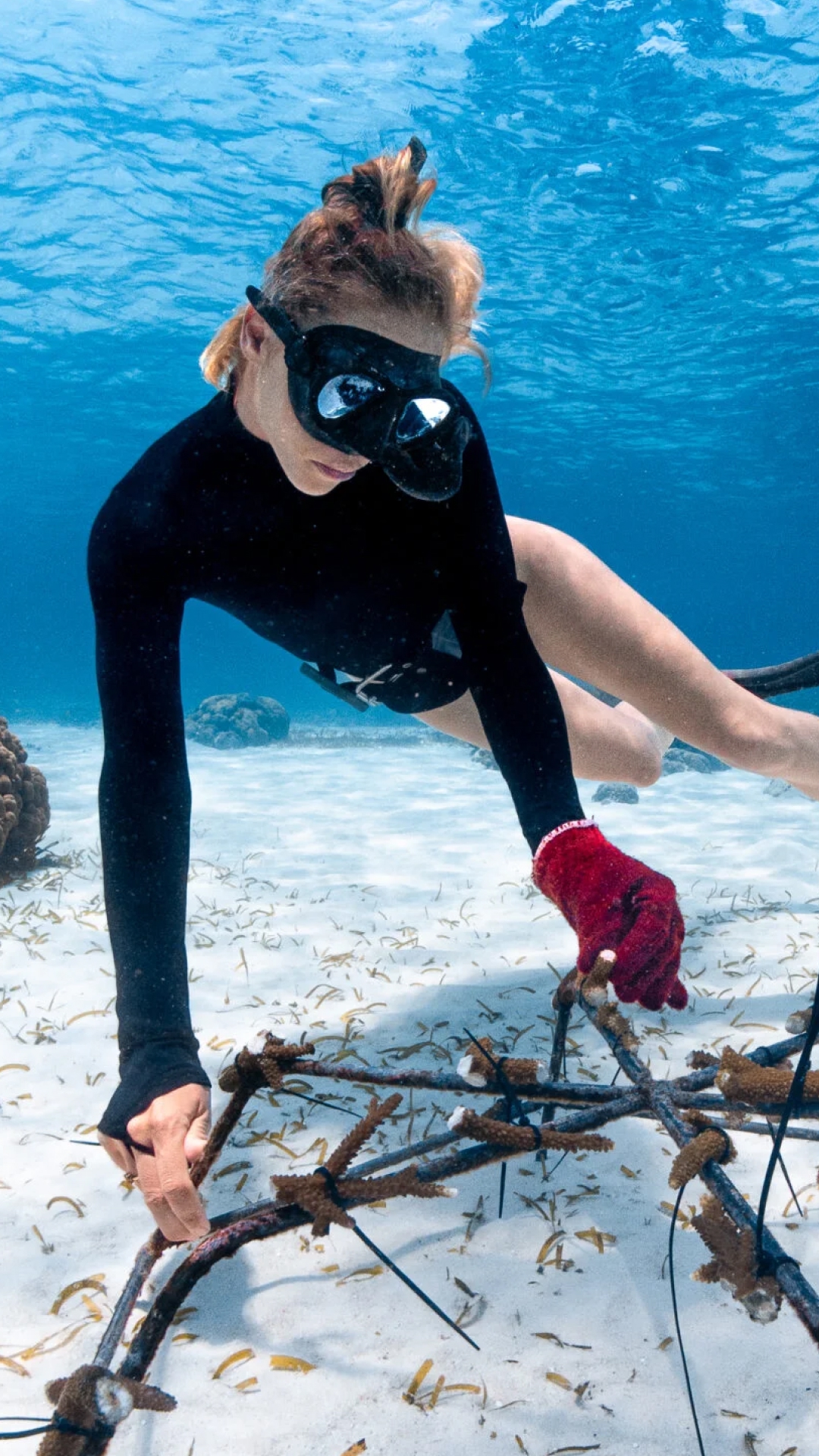
- Coral Nurseries: Small fragments of healthy coral (often called "corals of opportunity" found naturally broken on the seafloor) are collected. Sometimes they are harvested from donor colonies in nurseries. These are underwater structures floating lines or grid or plugs.
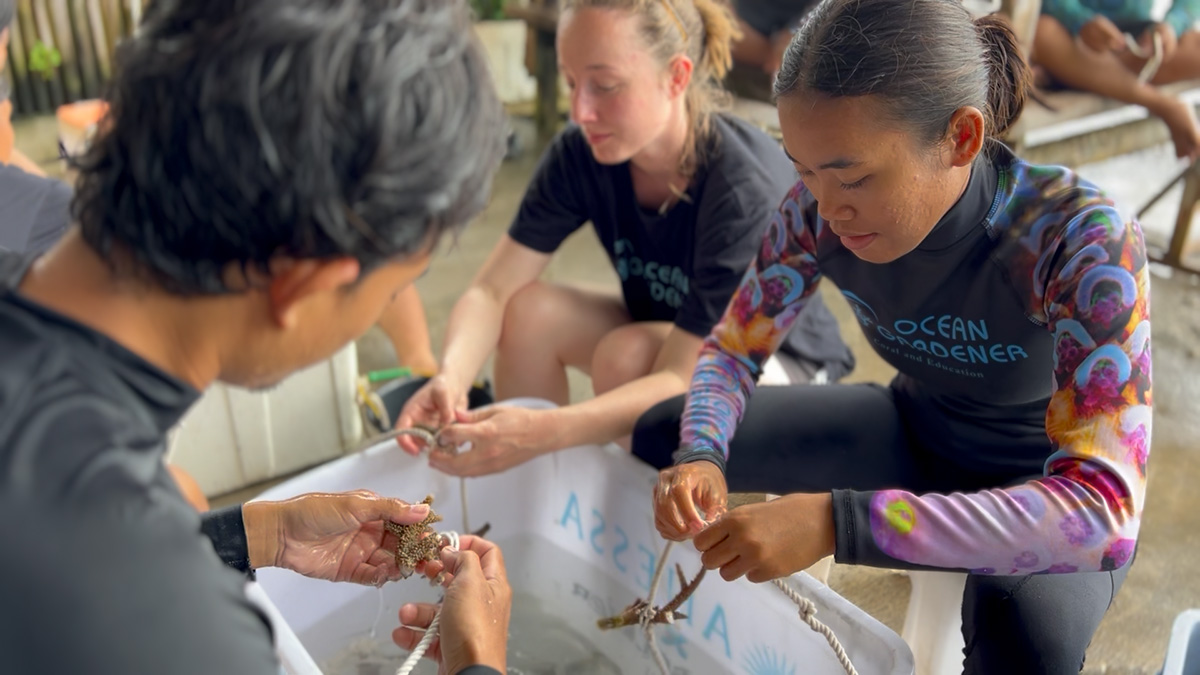
- Maintenance during growth phases: As the corals are small and stressed (from just having being fragmented), they can quickly become overwhelmed by coral predators or algae. This is where coral restoration organizations, their interns and volunteers play an important role. Routine maintenance of the coral nurseries is important and is often an overlooked factor. Similar to how you need to keep tending to young seedlings, these small fragments also need to be taken care of.
- Outplanting: Once they reach a sufficient size, divers carefully "glue" these grown-up fragments onto degraded sections of the natural reef, helping to rebuild the structure.
The Future: Assisted Sexual Reproduction and Genetic Diversity
While asexual reproduction is a powerful tool, it has a limitation: all the corals grown from fragments are clones, meaning they have the exact same genetic makeup. In a world of warming oceans, this lack of genetic diversity is a significant concern. If a new disease or a particularly strong heatwave strikes, an entire population of genetically identical corals could be wiped out.
This is why scientists are tirelessly working on assisted sexual reproduction. By collecting coral eggs and sperm during spawning events, fertilizing them in controlled lab environments, and then nurturing the larvae until they can settle onto the reef, scientists are creating new, genetically unique coral colonies. These "designer" corals, with their varied genetic codes, have a much better chance of adapting to and surviving future environmental changes, making our restoration efforts more resilient in the long run. It's an investment in the future health and adaptability of our reefs.
Similar to how humans have selectively bred many food crops and animals for certain traits like sweetness, fruit size. We hope scientists are able to discover the “super-corals” with the ability to survive warming oceans of the future.
Frequently Asked Questions About Coral Restoration
How long does coral restoration take?
It depends on the method and the species. Coral fragments grown in nurseries typically reach transplant size in 6–12 months. After outplanting, it can take 2–5 years for corals to establish and begin reproducing naturally. Full reef recovery — where a restored area functions as a self-sustaining ecosystem — can take decades. That's why long-term monitoring and continued intervention matter as much as the planting itself.
What is a coral nursery?
A coral nursery is an underwater structure — usually a suspended frame or "tree" — where coral fragments are attached and grown in controlled conditions before being transplanted to damaged reefs. Nurseries protect young corals from predators and sedimentation, allow teams to monitor their health, and let restoration scientists test which fragments grow fastest and survive best. Think of it as a greenhouse, but 10 metres underwater.
Can I help restore coral reefs as a traveller?
Yes — and not just symbolically. Citizen science expeditions place you alongside marine biologists doing real data collection: monitoring transplanted corals, recording species counts, tracking reef health over time. That data feeds directly into peer-reviewed research and informs where restoration teams focus next. Canopi partners with NGOs running exactly these programmes — you can find them in our Experiences.
What's the difference between coral conservation and coral restoration?
Conservation focuses on protecting existing healthy reefs — reducing local stressors like pollution, overfishing, and anchor damage. Restoration goes a step further: actively rebuilding reefs that have already been damaged. Both are necessary. Conservation protects what's left; restoration rebuilds what's been lost. The most effective programmes do both simultaneously.
Do restored corals survive long-term?
Survival rates vary, but research is increasingly promising. Studies show outplanted corals can achieve 60–80% survival over 2 years when conditions are right and monitoring is maintained. The bigger challenge is climate resilience — restored reefs face the same warming and acidification threats as natural ones. This is why the shift toward assisted sexual reproduction and heat-tolerant genetic strains is so important: restoration science is actively trying to grow corals that can survive the ocean conditions of 2050, not just today.
Canopi’s hope that travelers become part of the solution
This is where organizations like Canopi see the greatest potential for change. The future of coral reef health rests not just with scientists, but with travelers. Our hope is that tourism pivots from being an extractive, damaging force to a regenerative one.
By joining forces with Coral NGOs, we hope through our curated coral restoration experiences, we can give visitors a good background about the importance of the corals to the fish they come to see, gain a deeper understanding of the reef eco-system, and even play a part in regenerate these ecosystems when they visit the reefs of local communities and the world, ensuring the ocean's rainforests thrive for generations to come.


Browse the entire list of our curated coral reef restoration experiences.