
What are corals and why are the reefs so important?
When you look at a coral reef, you might think you're looking at a colorful underwater rock formation or perhaps some exotic plants. But you'd be mistaken! Corals are, in fact, tiny animals called polyps, related to jellyfish and sea anemones. These polyps live in vast colonies, secreting calcium carbonate to build the hard, intricate skeletons that form the reef's structure.
Each polyp is a miniature marvel, often living in a symbiotic relationship with an algae (zooxanthellae) which live within the coral's tissues. The algae provide the coral with food through photosynthesis, and in return, the coral offers the algae a protected home. The algae is what gives coral its vibrant colors and allows it to build the spectacular structures we know as reefs.
The Irreplaceable Value of Coral Reefs: Oceans' Rainforests and Tourist Magnets
Imagine a bustling rainforest, teeming with life – from towering trees to darting birds and hidden creatures. Coral reefs are precisely that for the ocean, often called the "rainforests of the sea." While they cover less than 1% of the ocean floor, they support an astonishing 25% of all marine species.
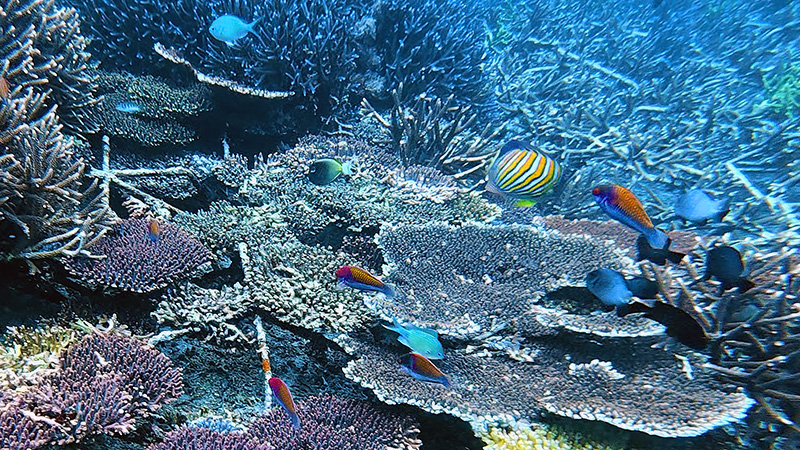
For millions of people, especially in tropical regions, these underwater cities are not just ecological wonders but vital economic engines. Tourism, in particular, thrives on the allure of coral reefs. Think about it: why do so many people dream of snorkeling or diving in places like the Caribbean, the Great Barrier Reef, or Southeast Asia? Frequently they come to marvel at the colorful tropical fish or megafauna like manta rays.
These vibrant fish—parrotfish, clownfish, angelfish, and countless others—aren't just there by chance. They depend entirely on the corals to provide their homes, their shelter from predators, and their hunting grounds. Just as a forest provides every necessity for its resident animals, the intricate structure of a coral reef is the foundation for an entire ecosystem, creating jobs and livelihoods for countless communities worldwide.
A Crisis Underwater: Why Our Reefs Are in Danger
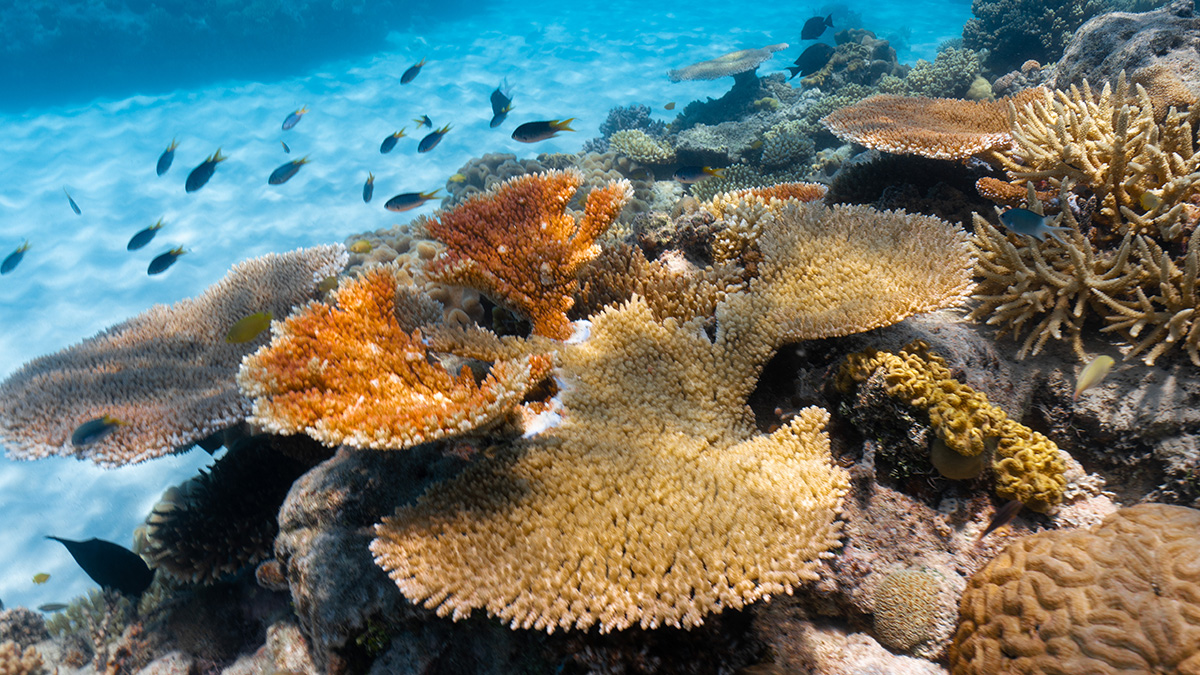
Despite their resilience over millennia, coral reefs are now facing unprecedented threats. The biggest threats are:
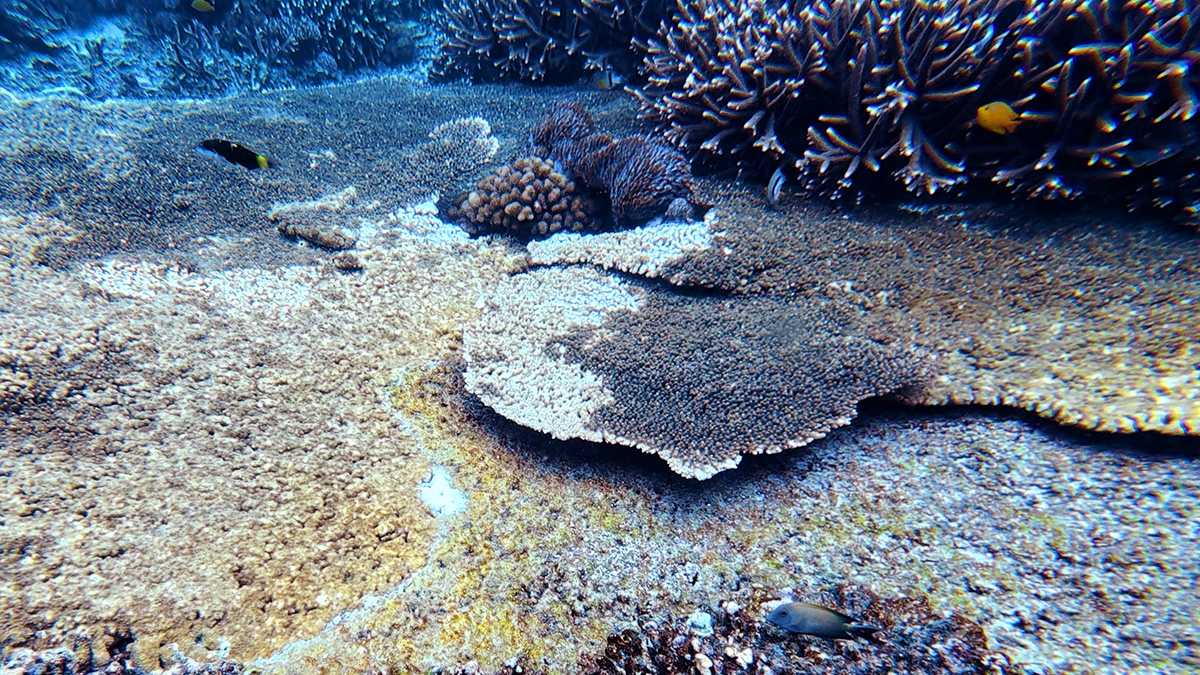
- Climate Change: Rising ocean temperatures cause heat stress. When the water temperature rises even 1–2°C above the normal summer maximum, the algae’s food making abilities machinery begins to break down, and instead start producing biological toxins that damage the coral's cells. The corals expel their algae and turn white. If temperatures return to normal, they can recuperate. However, as oceans get warmer and warmer more frequently with more intensity, they cannot recover fast enough and eventually die.
- Pollution: Untreated sewage from unsustainable tourism and runoff from land due to urban development reduce the water quality for the corals. Imagine living in a permanent pollution haze like in Delhi, would you be able to thrive?
- Overfishing and Destructive Fishing: Important species that keep the eco-system balanced are removed, causing an explosion of coral eating predators. Fishing lines and nets cut into the corals, causing wounds.
- Bad Tourism Practices: Indiscriminate anchoring, lack of briefing before snorkelling or scuba diving to prevent damage, and dynamite fishing lead to the physical
The impact has been devastating. In the last few decades, we have lost roughly half of the world's coral reefs. This staggering loss is a wake-up call. We must act now.
Conservation First, Then Restoration: A Two-Pronged Approach
Before we even talk about rebuilding, the most critical step is conservation. We must do everything in our power to protect the reefs we still have. This means:
- Reducing our carbon footprint to combat climate change.
- Limiting pollution and supporting sustainable practices.
- Establishing and enforcing marine protected areas.
- Educating ourselves and others about reef-safe behaviors.
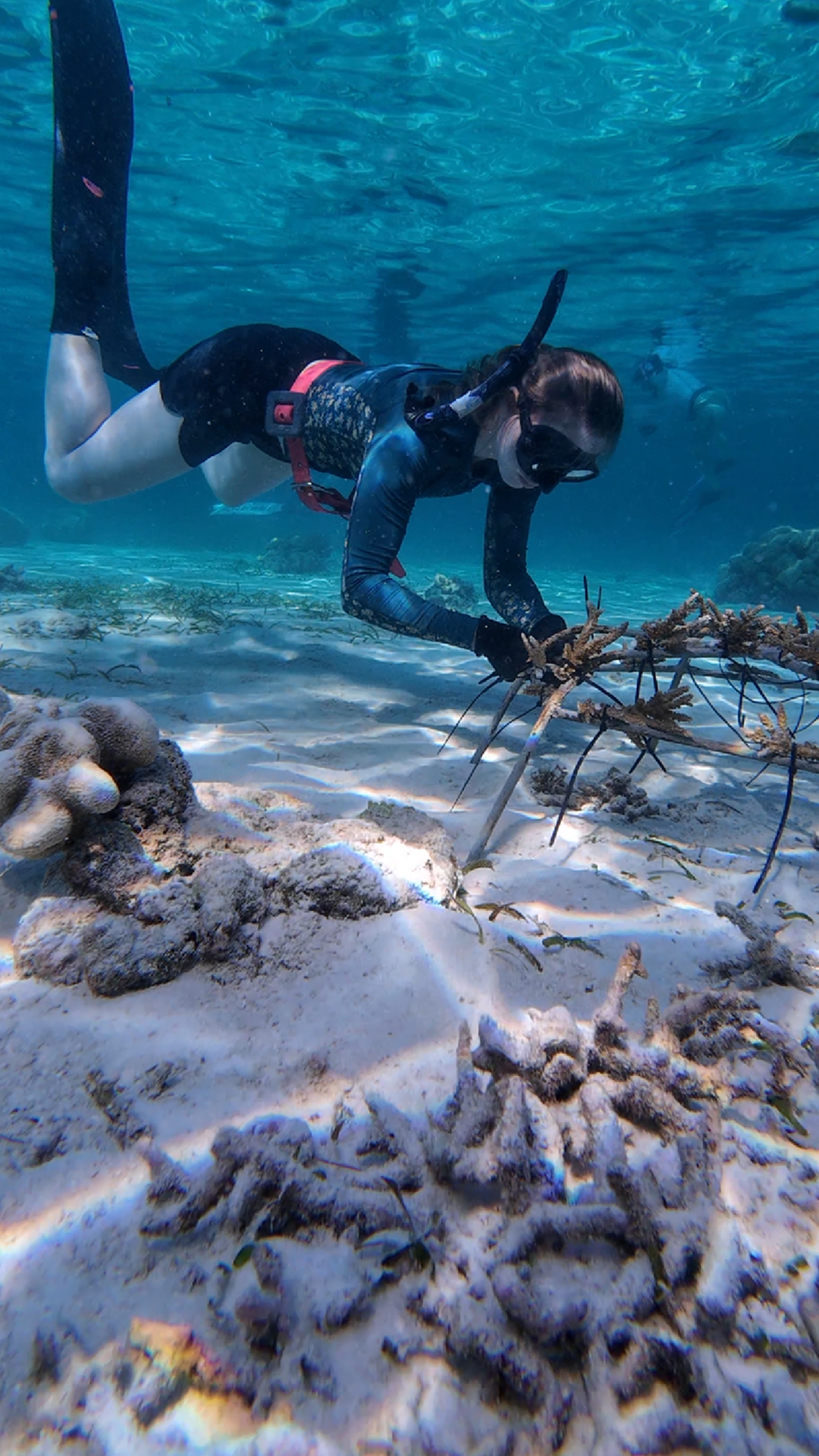
However, for reefs that are already severely damaged, conservation alone isn't enough. This is where coral restoration comes in—it's about actively helping nature heal, essentially giving these underwater cities a much-needed renovation.
Frequently Asked Questions
Are corals plants or animals?
Corals are animals — specifically tiny creatures called polyps, related to jellyfish and sea anemones. They're often mistaken for plants or rocks because they're stationary and build hard calcium carbonate skeletons. Each polyp lives in a symbiotic relationship with algae (zooxanthellae) that give reefs their colour.
What is coral bleaching?
Coral bleaching happens when water temperatures rise even 1–2°C above normal. The heat stress causes corals to expel their symbiotic algae, turning white. Without algae, corals lose their food source and can die. If temperatures return to normal quickly, corals can recover — but as bleaching events become more frequent, many reefs can't recuperate fast enough.
How much of the world's coral reefs have been lost?
Roughly half of the world's coral reefs have been lost in the last few decades. The rate is accelerating — mass bleaching events, pollution, and destructive fishing are outpacing natural recovery in many regions.
What percentage of marine life depends on coral reefs?
Despite covering less than 1% of the ocean floor, coral reefs support approximately 25% of all marine species — earning their nickname as the rainforests of the sea.
Can coral reefs recover on their own?
Healthy reefs can recover from small, localised disturbances given time. But the scale and frequency of modern threats — warming oceans, pollution, destructive fishing — mean many reefs can no longer recover without human intervention. That's where coral restoration comes in.
Canopi's Commitment to Coral Reefs
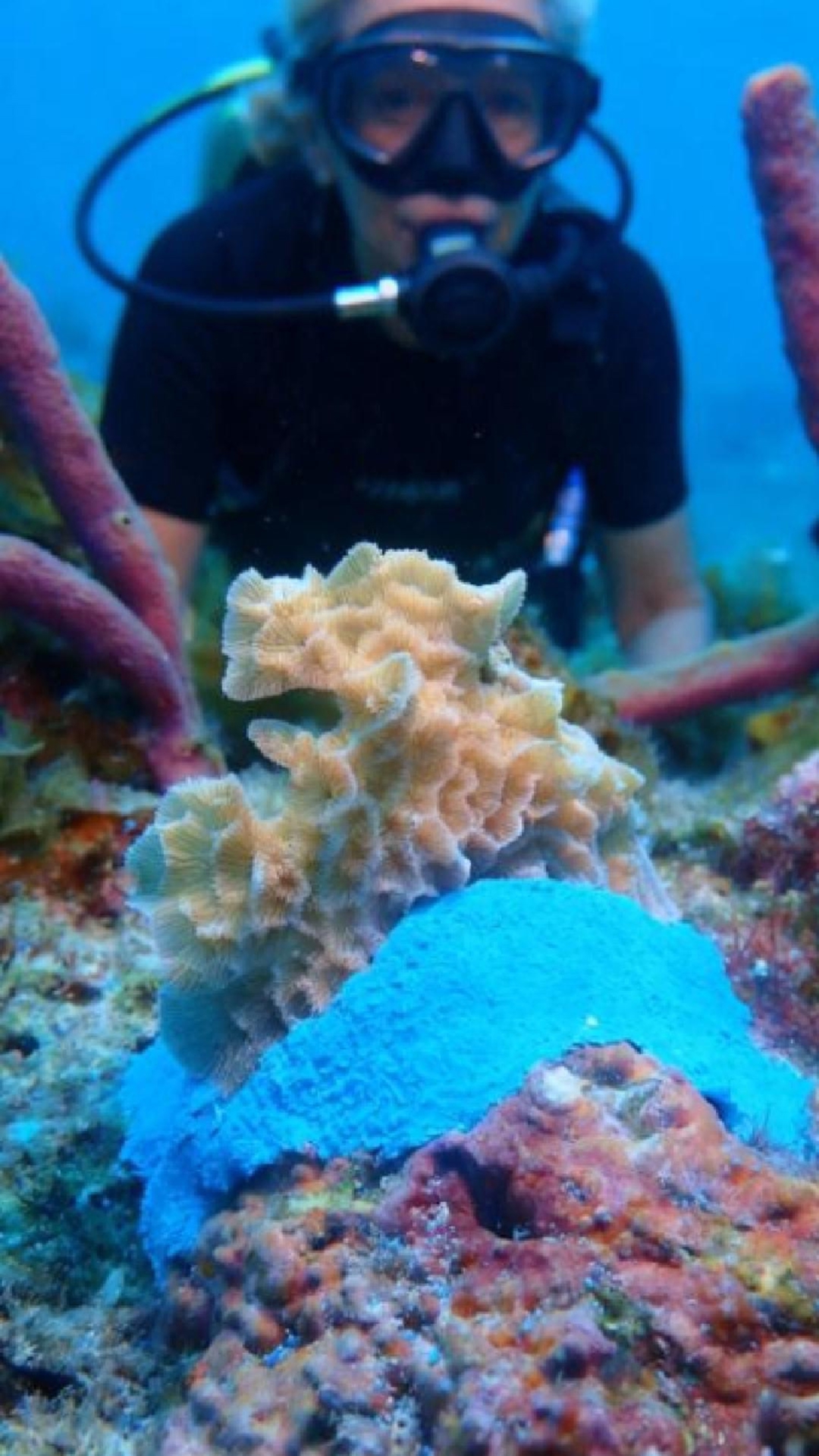
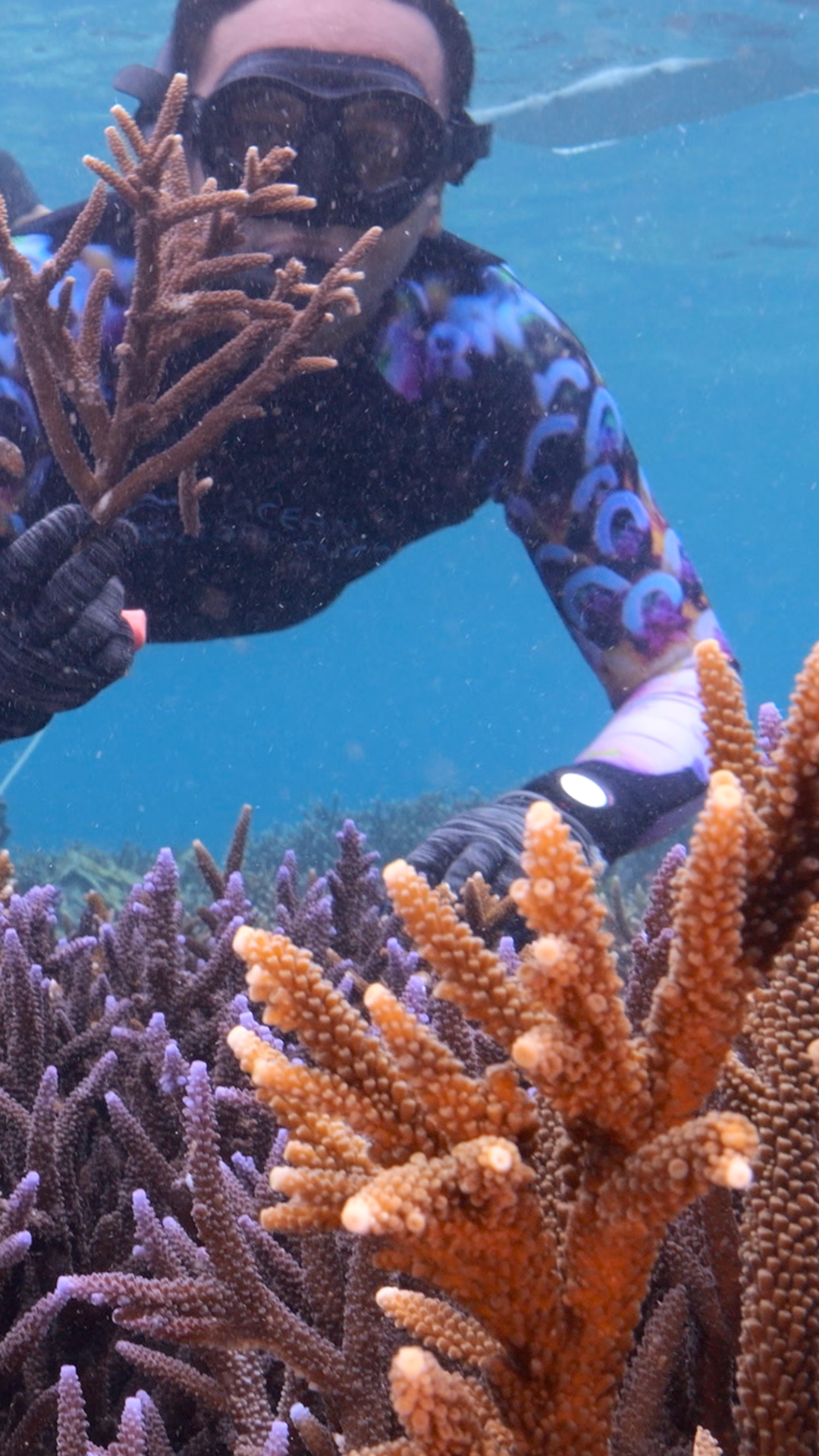
Coral reefs are found in tropical and subtropical waters all over the globe, from the Caribbean to the Indo-Pacific. At Canopi, we believe in the power of immersive travel to inspire positive change. That's why we offer unique experiences that allow you to witness these incredible ecosystems firsthand and even participate in their restoration.
Join us in places like Cozumel, Mexico, and the stunning waters of Indonesia (Bali and Sulawesi), where you can learn about and engage with local conservation efforts. By exploring these vibrant underwater worlds, you're not just taking a vacation; you're becoming a part of the solution to protect our planet's most biodiverse marine environments.


Browse our curated list of coral reef regenerative travel experiences.