Why Animals Are Important For The Planet
We often talk about nature as if it’s a beautiful backdrop for our vacations and animals are beautiful subjects for our cameras. In reality, nature is a global life-support system composed of interwoven ecosystems that actively regulate essential biological services, including rainfall, the transport of nutrients, and the purification of the very air we breathe. This complex "living infrastructure" doesn't just exist for our viewing pleasure; it is the fundamental machinery that makes our planet habitable.
The Interconnected Web
At the heart of this machinery are the inhabitants: humans and animals. We are not separate from the ecosystem; we are deeply embedded within it. Every breath we take and every meal we eat connects us to a vast web of biological interactions. While indigenous communities have acted as stewards of these systems and animals are the functional workers in this web..
In a healthy ecosystem, every species occupies a niche. Think of a niche not just as a "home," but as a "job description." It encompasses what an animal eats, where it lives, and how it interacts with other species. When a species is present and fulfilling its niche, the ecosystem remains in a state of balance. When a niche becomes vacant—due to the loss of a species—the "services" that job provided stop, leading to a cascade of failures throughout the system.
The Different Roles Animals Play
To understand how the "fabric" of nature stays strong, we must look at the specific roles animals play. When these roles are performed, the ecosystem thrives; when they aren't, the system weakens.
The Nutrient Transporters (Mobile Links)
Some animals act as the planet's conveyor belts, moving life-essential elements like nitrogen, phosphorus, and carbon across massive distances and across different environments (e.g., from the deep ocean to the mountain tops).
- The Role: Moving nutrients from nutrient-rich areas to nutrient-poor ones.
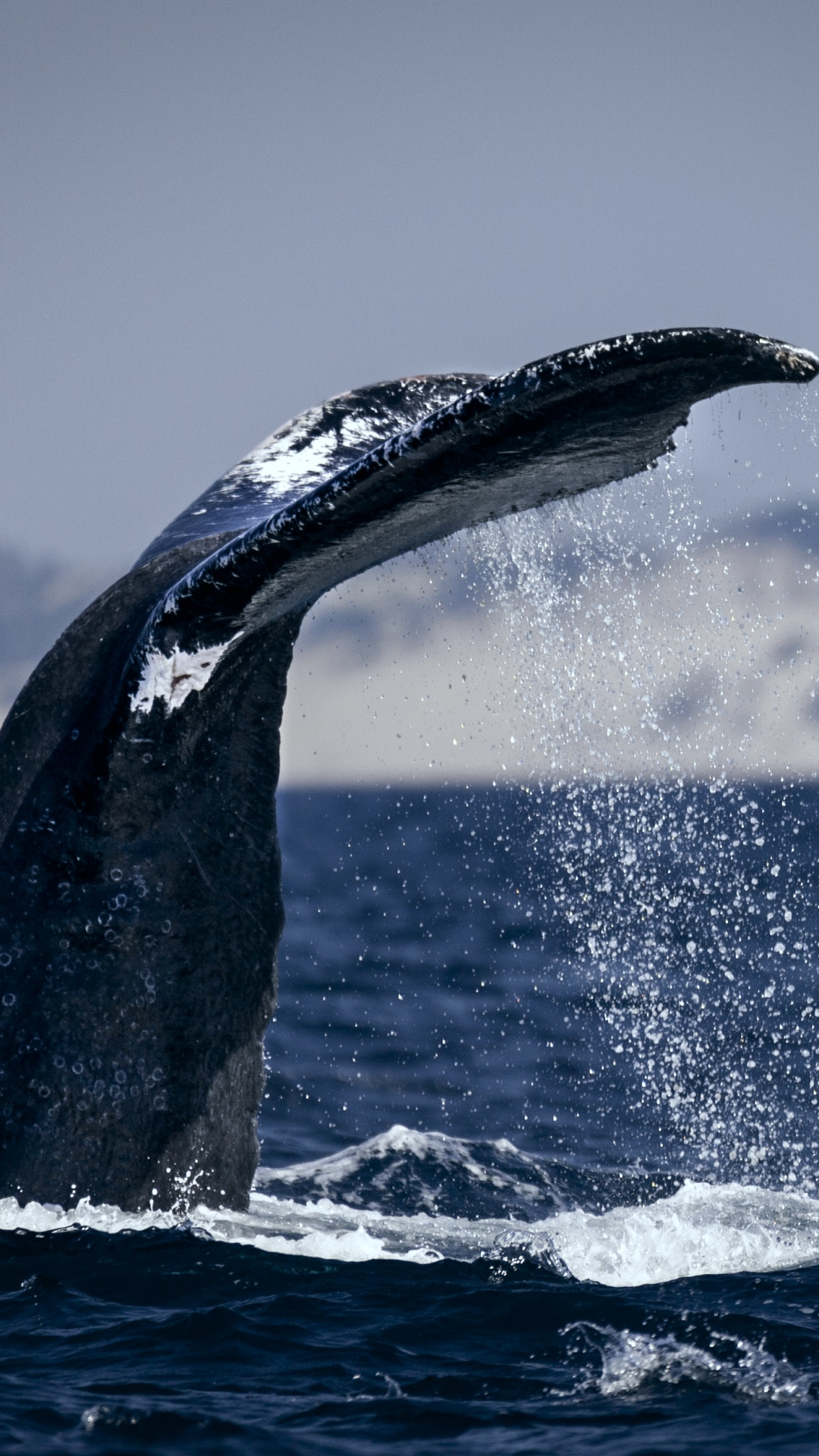
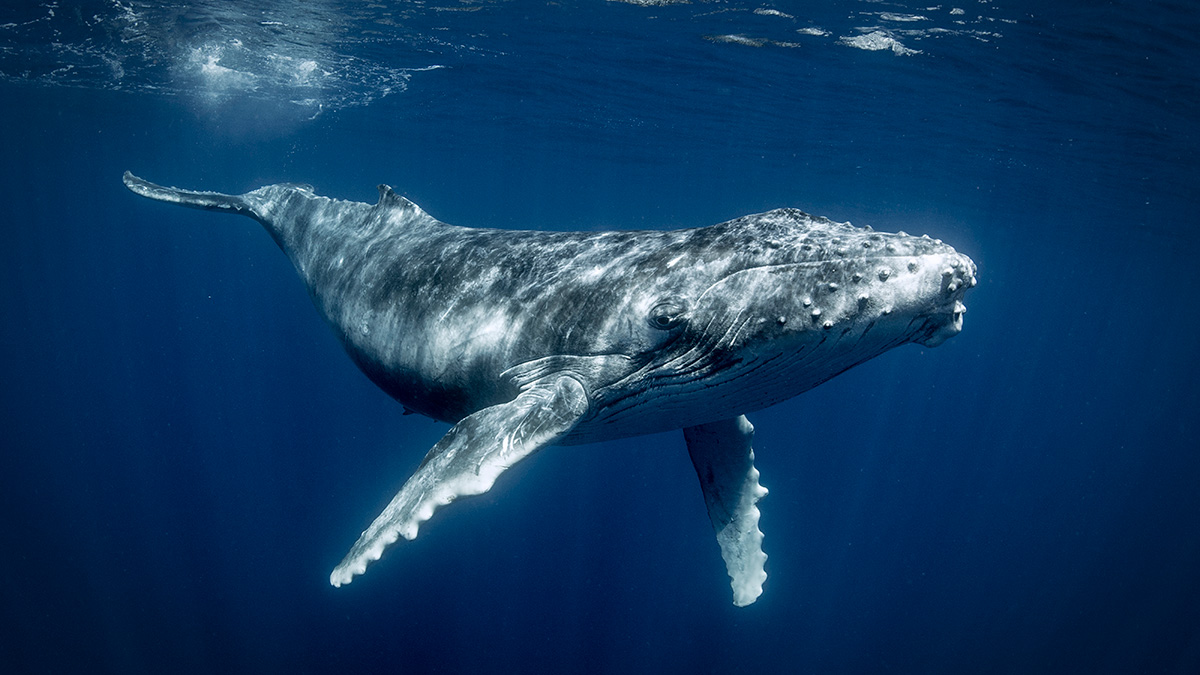
- The Example: Great Whales dive deep to feed and surface to breathe and defecate. This "whale pump" brings nutrients from the dark depths to the sunlit surface, where they fertilize phytoplankton—the tiny plants that produce half the world's oxygen.
The Genetic Couriers (Pollinators & Dispersers)
Without these animals, most plant life would be "trapped" in one spot, unable to reproduce or adapt to changing climates.
- The Role: Facilitating plant reproduction and ensuring forest mobility.
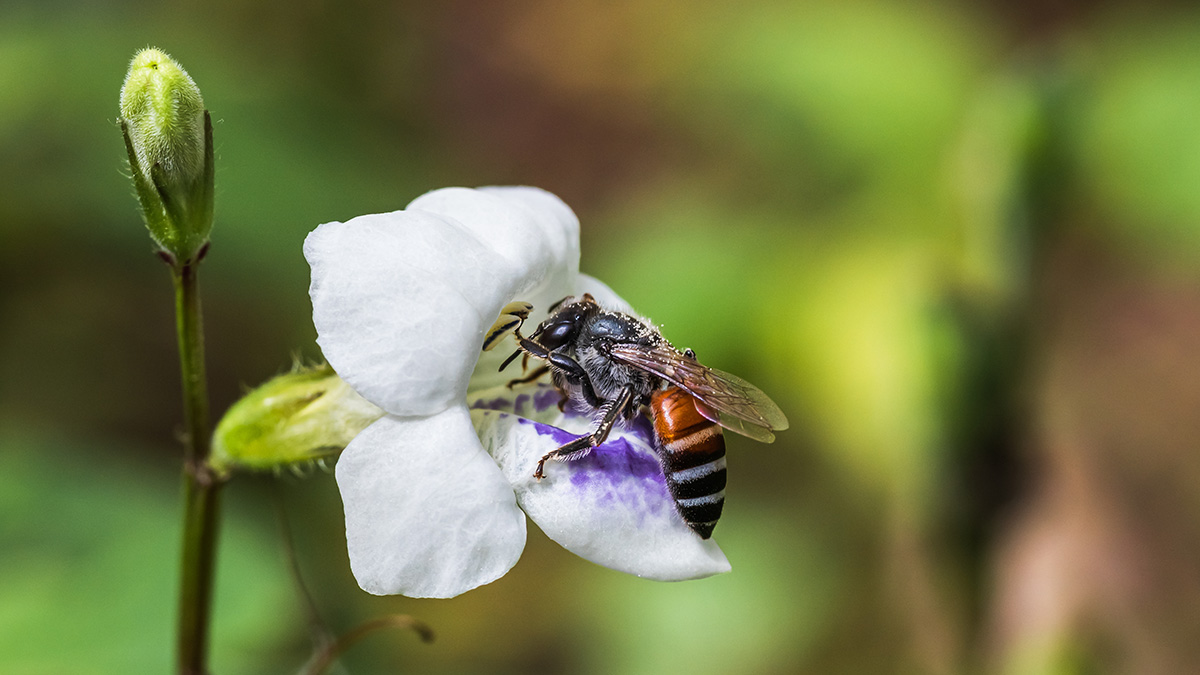
- The Example: Melipona Bees in the Yucatan are vital pollinators for many flowering plants and trees that produce large-seeded fruits. By transferring pollen between different plants, they ensure successful reproduction, which maintains the jungle's genetic diversity and provides food for seed dispersers.
The Geomorphic Engineers (Physical Shapers)
These animals physically change the topography of the Earth, affecting how water flows and how soil is aerated.
- The Role: Mechanically altering the landscape and soil structure.
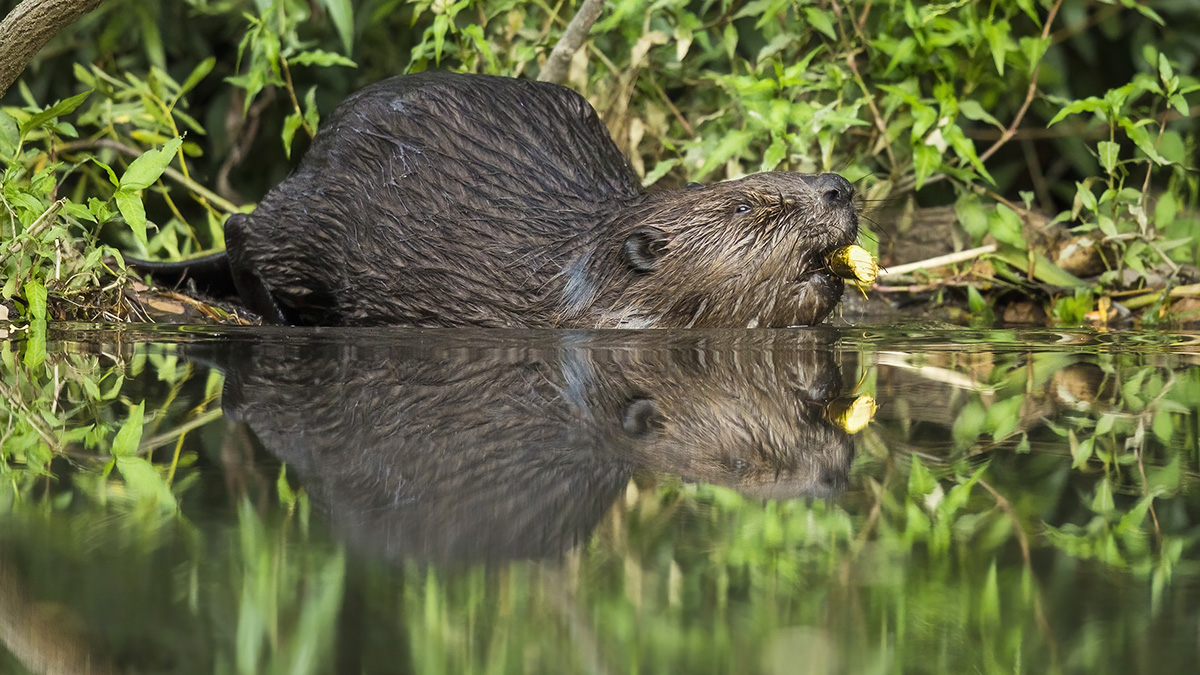
- The Example: African Elephants are "bulldozers." By knocking down trees, they create open grasslands that allow light to reach the forest floor; they also dig water holes with their tusks that become the only water source for dozens of other species during the dry season.
The Trophic Regulators (Balance Keepers)
These animals manage the "top-down" health of an ecosystem by preventing any one species from dominating and destroying the plant base.
- The Role: Preventing "trophic cascades" where a lack of predators leads to the total loss of vegetation.
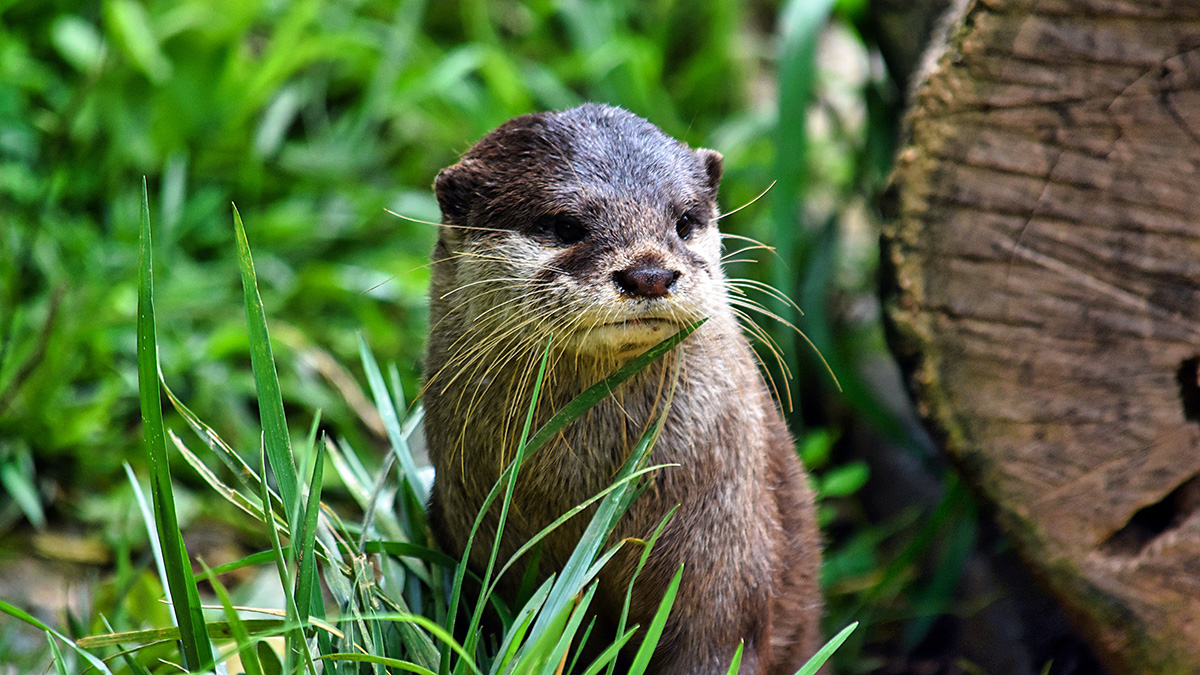
- The Example: Sea Otters are the guardians of kelp forests. By eating sea urchins, they prevent the urchins from mowed down the kelp. Without otters, the kelp (which sucks up massive amounts of CO2) disappears, leaving behind "urchin barrens"—underwater deserts.
The Bio-Filters & Sanitizers (The Cleaners)
These animals process waste and filter water, ensuring that pathogens don't overwhelm the system and that water remains clear and oxygenated.
- The Role: Disease suppression and water purification.
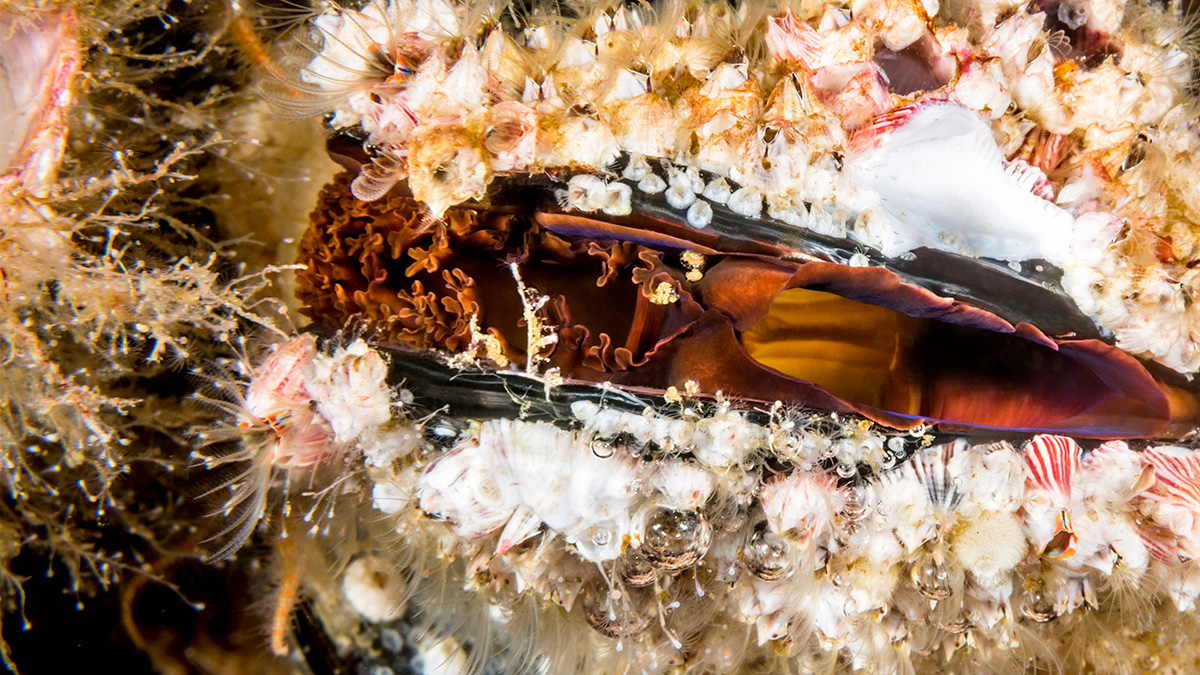
- The Example: Oysters and Mussels are living water filters. A single oyster can filter up to 50 gallons of water a day, removing pollutants and sediment, which allows sunlight to reach underwater seagrasses. On land, Vultures act as a "dead end" for diseases like rabies and anthrax by consuming carcasses that would otherwise poison the groundwater.
A Fabric Unraveling: The Threat of Extinction
The tragedy of the modern era is that this fabric is being torn apart faster than it can repair itself. We are currently in the midst of the Sixth Mass Extinction. Unlike previous extinctions caused by asteroids or volcanic activity, this one is driven by human activity.
The rate of species loss is staggering—scientists estimate we are losing species at 100 to 1,000 times faster than normal. This isn't just about losing "pretty" animals; it is about the systematic collapse of the biological services we depend on.
We are losing them primarily due to:
- Habitat Loss (The Total Removal): This is the physical clearing of land for housing, industrial agriculture, and mining. The habitat simply ceases to exist.
- Habitat Degradation (The Invisible Damage): This is when the habitat remains, but its quality drops so low that species can no longer survive.
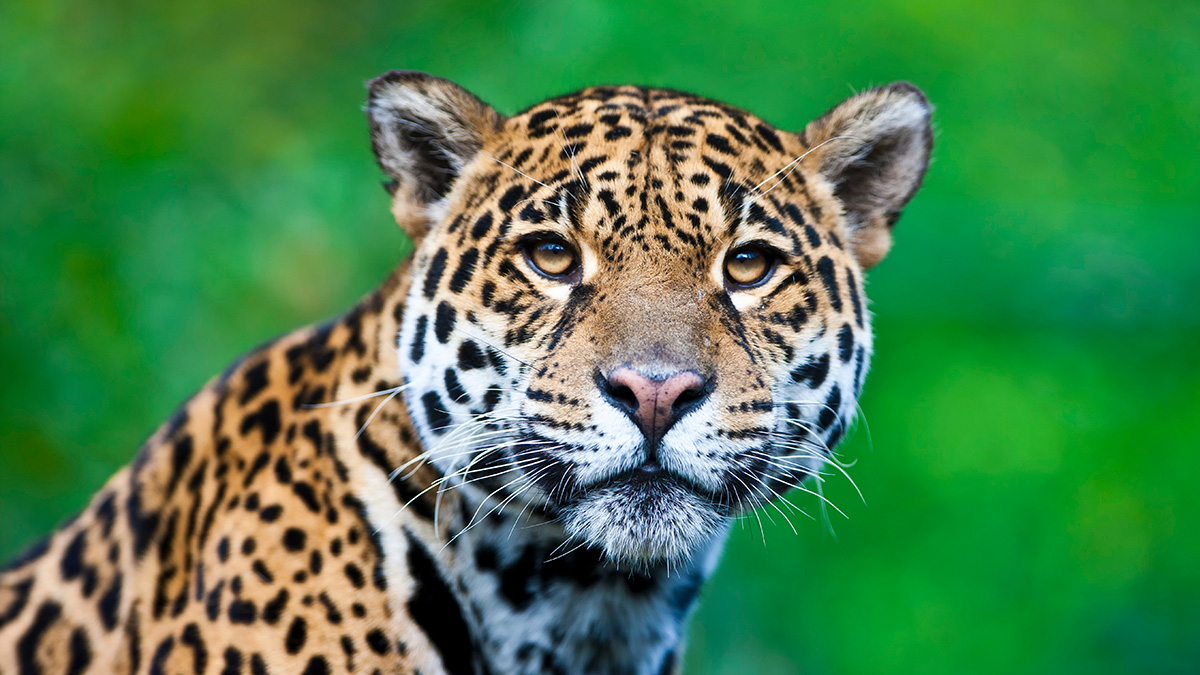
- Habitat Fragmentation (The "Island" Effect): This happens when we build roads or fences through a jungle. The forest is still there, but it’s broken into tiny "islands." Large animals like Jaguars can no longer roam to find food or mates, leading to inbreeding and local extinction.
- Untreated Sewage & Runoff: Nitrogen and phosphorus from human waste and fertilizers create "Dead Zones" in oceans and lakes, where oxygen levels drop so low that fish and corals suffocate.
- Climate Change: Shifting weather patterns that move too fast for species to adapt.
- Overexploitation: Illegal wildlife trade and industrial overfishing.
Real Threats Faced By Our Partners
The threats facing our NGO partners and local communities are immediate and severe.
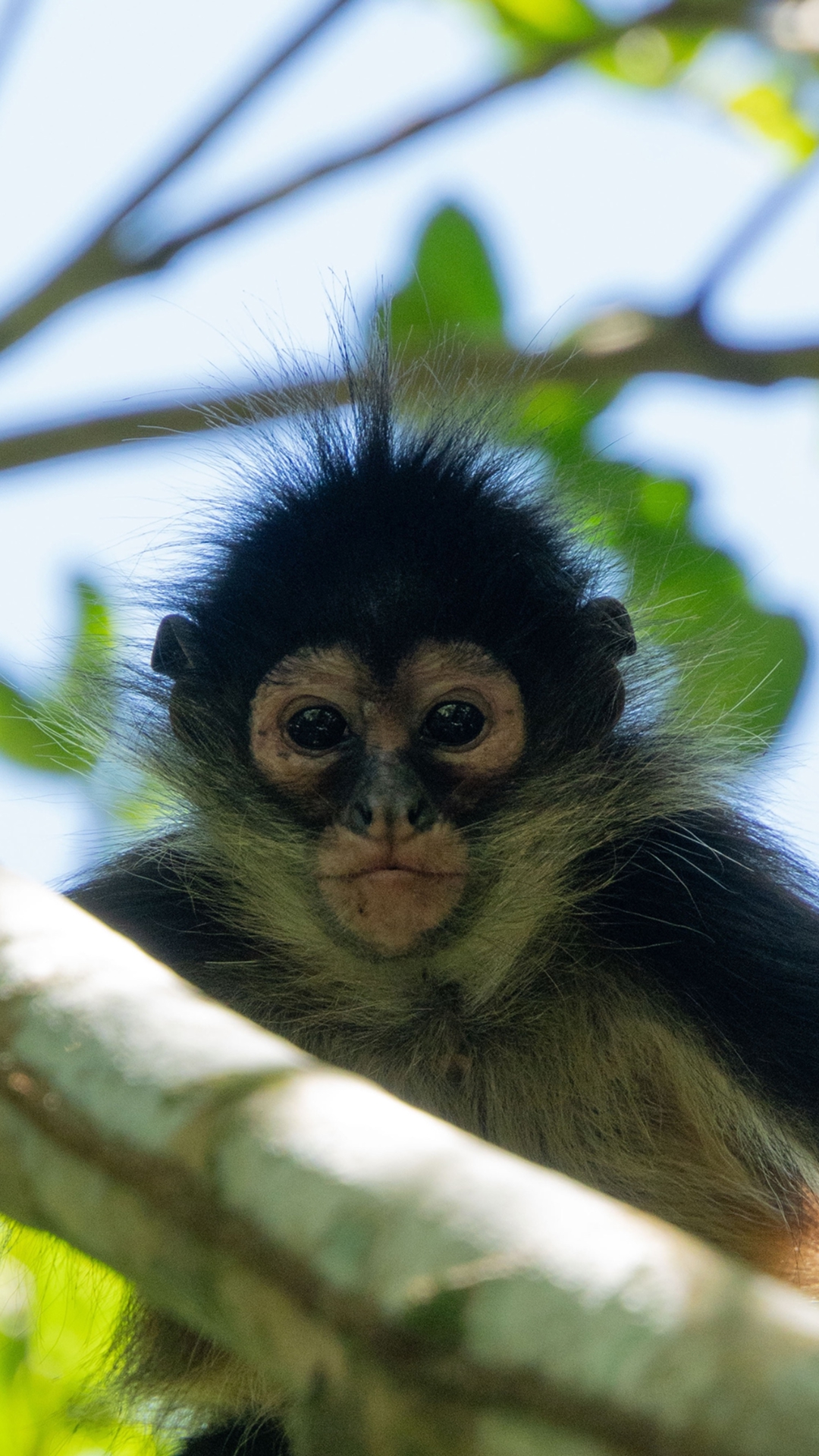
For instance, in Cozumel, protected mangrove species have been poisoned with herbicide to clear the way for a new cruise ship terminal. Similarly, in Punta Laguna, pristine forests—home to endangered spider monkeys—are under threat from hotel developments capitalizing on the area's scenic beauty.
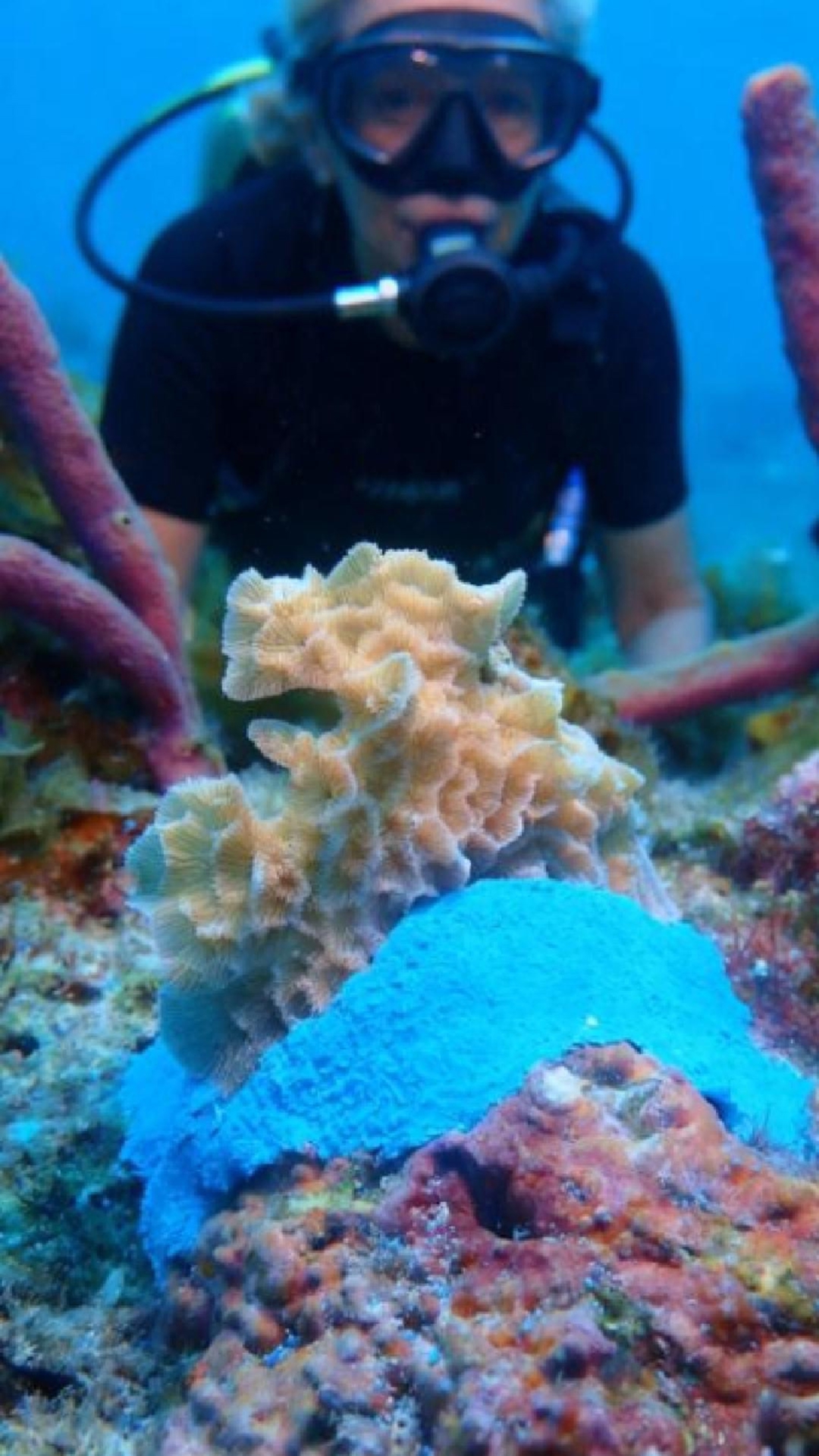
Meanwhile, in Bali, the increasing development driven by tourism is causing significant environmental damage: a lack of proper wastewater treatment is flushing excess nutrients onto the reefs, leading to an explosive growth of sponges and algae that are smothering the delicate coral ecosystem.
Healing the planet with Canopi
You have the power to change this narrative. At Canopi, our mission is dedicated to moving beyond simple "sustainability" and focusing on regeneration. Imagine the positive global impact we could achieve by diverting just 1% of travel spending toward truly regenerative experiences!
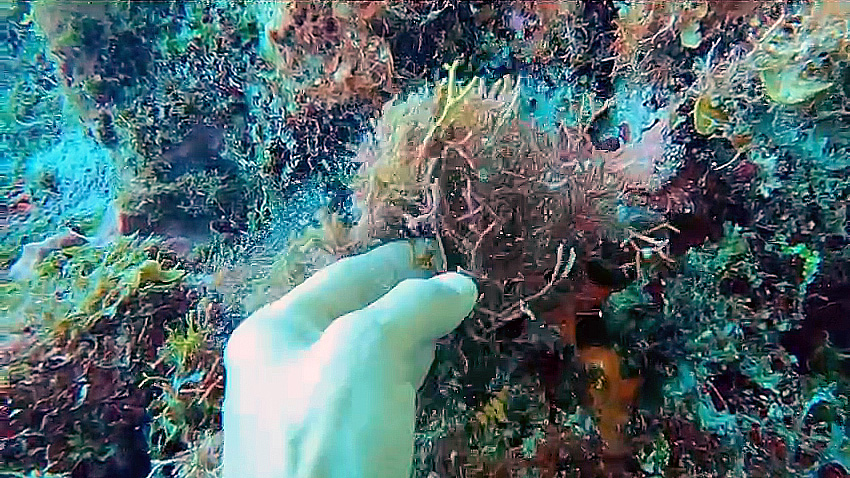
When you take a course of Cozumel Coral Reef Restoration Program, you are helping to rebuild the damaged reefs and replant the mangroves in this damaged section. When you visit the Mayan community in Punta Laguna, you are providing them ecotourism dollars so they can continue protecting their communal lands.
Are you ready to be more than a tourist? We invite you to join us. Choose a regenerative experience today and help us conserve the wildlife and their habitats that keeps our world alive.