
Adopt a Coral vs. Plant a Tree — Which Conservation Action Has More Impact?
If you're serious about funding conservation, this is the question worth asking: where does your money actually do more good?
Adopt a coral reef fragment in Bali. Or plant a Maya Nut tree in the Yucatan. Both are real conservation actions. Both are $5/month through Canopi. But they work on different ecosystems, different timelines, and different problems — and the honest answer is that they're not directly comparable.
This is our attempt to be genuinely useful anyway.
Why coral reefs matter
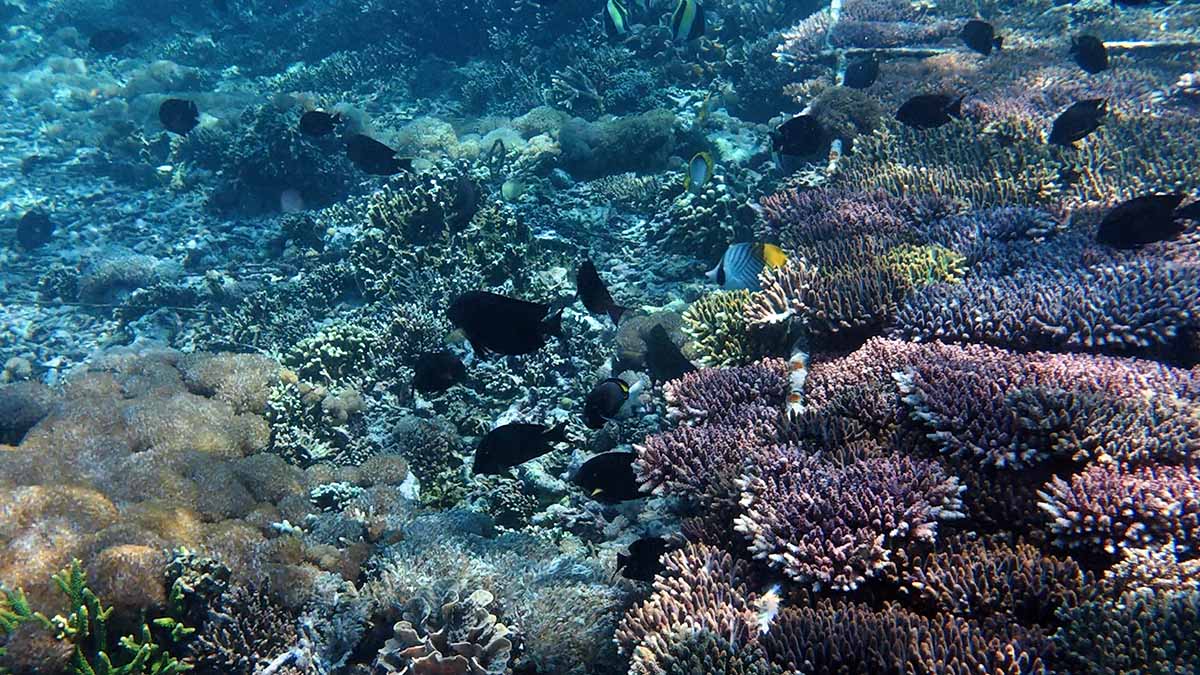
Coral reefs cover less than 1% of the ocean floor. They support roughly 25% of all marine species. They protect coastlines from erosion and storms. They underpin the food security of more than a billion people worldwide.
They're also dying. Bleaching events — triggered by water temperatures just 1–2°C above normal — have hit the world's reefs repeatedly since the 1990s, with each decade bringing more frequent and more severe events. The Great Barrier Reef experienced mass bleaching four times between 2016 and 2022. Nusa Penida's reefs are no exception.
The restoration case for coral: Active coral gardening can regenerate reef cover in years, not decades. It doesn't replace the need to address climate change, but it gives reefs a fighting chance by maintaining coral populations through thermal stress events. Gardened fragments serve as seed stock for recovery after bleaching kills the natural reef. For more on this, see our Bali coral restoration guide.
Speed of impact: Fragments begin growing within weeks of transplantation. Measurable reef recovery in 12–24 months.
Cost: ~$5/month covers nursery maintenance, dive operations, and monthly documentation for one fragment.
Want to understand exactly what happens after you adopt? See: What Happens When You Adopt a Coral Reef?
Why trees matter
Forests store carbon. They regulate water cycles, anchor soil, prevent erosion, and support biodiversity that most people never see but every ecosystem depends on.
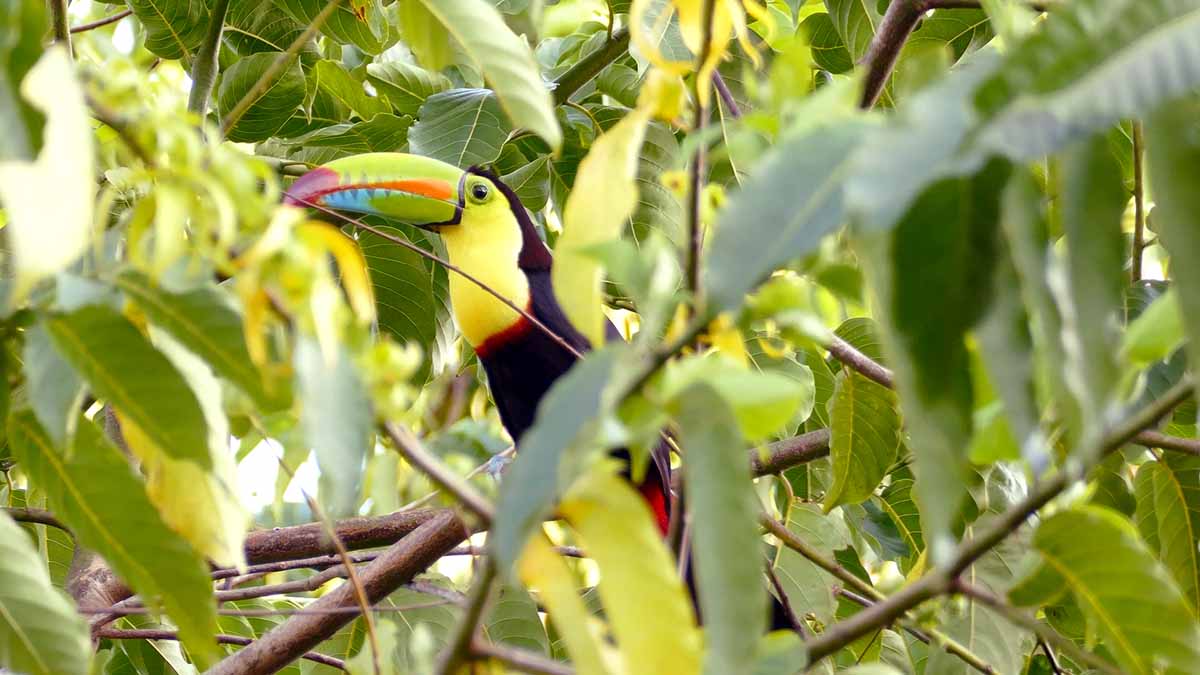
The Yucatan Peninsula — home to Canopi's Maya Nut Institute partnership — is one of the most biodiverse tropical regions in the Americas. The Maya Forest stretches across Mexico, Guatemala, and Belize, and it's been losing ground to agriculture and development for decades.
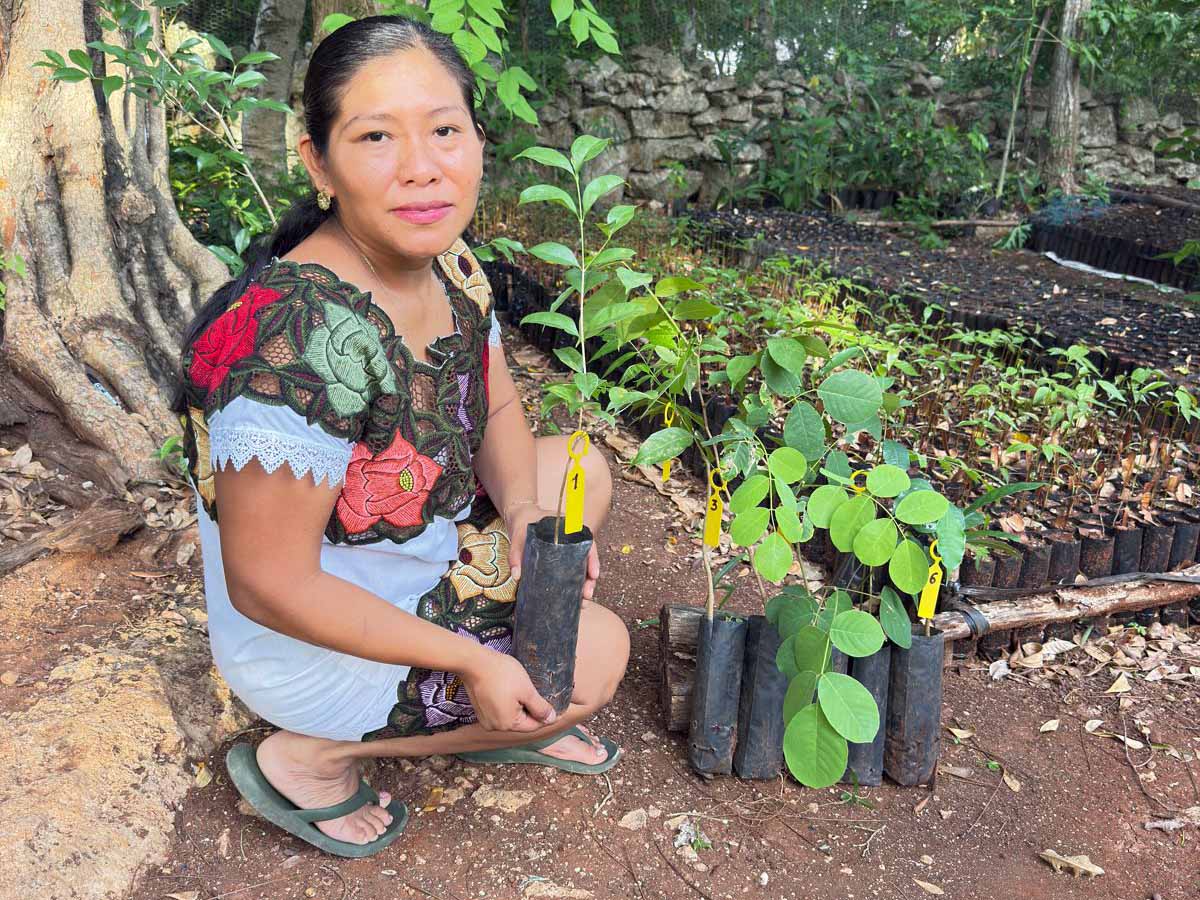
The Maya Nut tree (Brosimum alicastrum) is worth knowing about. It's an ancient Mayan food crop that can feed both wildlife and local communities, tolerates dry conditions without irrigation, and sequesters significant carbon as it matures. This isn't a monoculture plantation — it's native species restoration with multiple compounding benefits.
The restoration case for trees: Forest restoration is slower than coral gardening in terms of visible results, but trees compound over time. A Maya Nut tree planted today will still be sequestering carbon and producing food in 50 years.
Speed of impact: Measurable canopy cover develops over 2–5 years. Carbon sequestration benefit is long-term.
Cost: ~$5/month covers propagation, planting, and ongoing field monitoring of one tree.
The honest comparison
Neither is better. They address different threats in different ecosystems. The strongest argument for doing both: the planet needs all of it.
How to choose
Feature | Adopt a Coral | Plant a Tree |
Ecosystem | Marine | Terrestrial |
Speed of impact | Fast (weeks–months) | Slow (years) |
Long-term durability | High risk (bleaching events) | Lower risk once established |
Carbon impact | Indirect | Direct sequestration |
Biodiversity supported | 25% of ocean species | Terrestrial + food systems |
Updates | Underwater photos + growth notes | Field photos + growth notes |
Can you visit it? | Yes — diving in Bali | Yes — forest in Mexico |
Monthly cost | $5 | $5 |
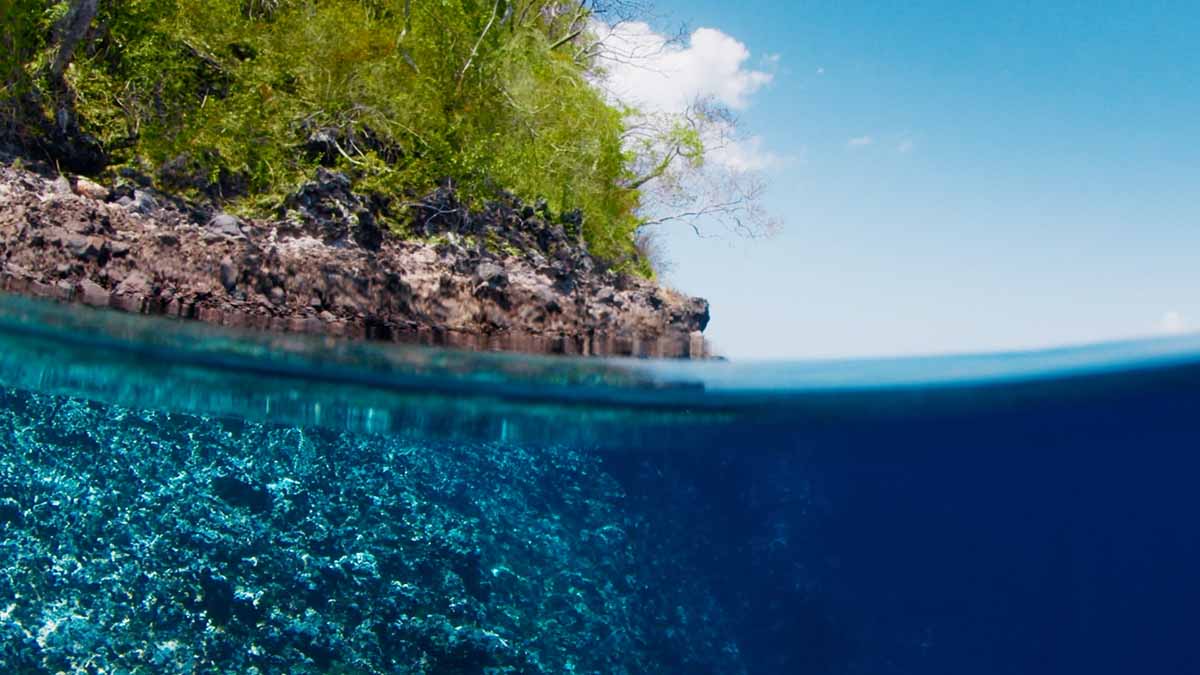
Choose coral if you're drawn to the ocean, dive or snorkel, or want to see results in the colorful tropical fish it will attract back. Coral fragments grow slowly but you can see some growth within months and a few years can bring dramatic visual evidence of recovery.
Choose a tree if you're drawn to forests, care about carbon sequestration, or want to fund something that support bringing back wildlife on land. Trees may take decades to reach full height and forest regeneration takes longer.
Choose both if you want one subscription that covers two ecosystems, two NGO partners, and two completely different sets of monthly updates. That's $10/month for coral in Bali and trees in the Yucatan.
How Canopi does both
The mechanics are the same for coral and trees. You adopt. You name it. You get monthly field updates from the NGO caring for it. You can visit.
What changes is the ecosystem, the partner, and the specific restoration work on the ground:
- Coral: Ocean Gardener, Nusa Penida, Bali
- Trees: Maya Nut Institute, Xocen, Yucatan, Mexico
Both launch June 28. Waitlist members get early access on June 21. You can also read more about ocean restoration travel and wildlife conservation trips to see how Adoptables fit into the bigger Canopi picture.
Adopt a coral, a tree, or both — $5/month each.