
Wildlife Conservation Trips That Actually Help
How to Find Wildlife Travel Experiences That Genuinely Protect Animals, Fund Conservation and Support Local Communities
Most wildlife trips are about watching.
You book a safari. You spot a lion. You take a photo. You go home. The lion's habitat continues shrinking.
That's not a criticism of safaris, wildlife tourism funds conservation in many parts of the world. But there's a growing category of travel that goes further: trips where you don't just observe wildlife, you actively help protect it. Where your presence creates data that scientists depend on. Where your booking directly funds the rangers, researchers and community programs keeping species alive.
These are wildlife conservation trips, and they're not all equal.
Some are genuinely transformative: you contribute real scientific data, fund grassroots NGOs, and support the local communities whose livelihoods are tied to the health of wild ecosystems. Others are little more than voluntourism with a conservation label slapped on. Learn more about sustainable and regenerative travel and how are they different.
This guide breaks down what makes a wildlife conservation trip genuinely impactful, what you can expect on one, and two of the best experiences available in 2026, one in the jungles of Mexico, one on the wild coast of Mozambique.
What Is a Wildlife Conservation Trip?
A wildlife conservation trip is travel that actively contributes to the protection, monitoring or restoration of wild animal populations and their habitats, rather than simply observing them.
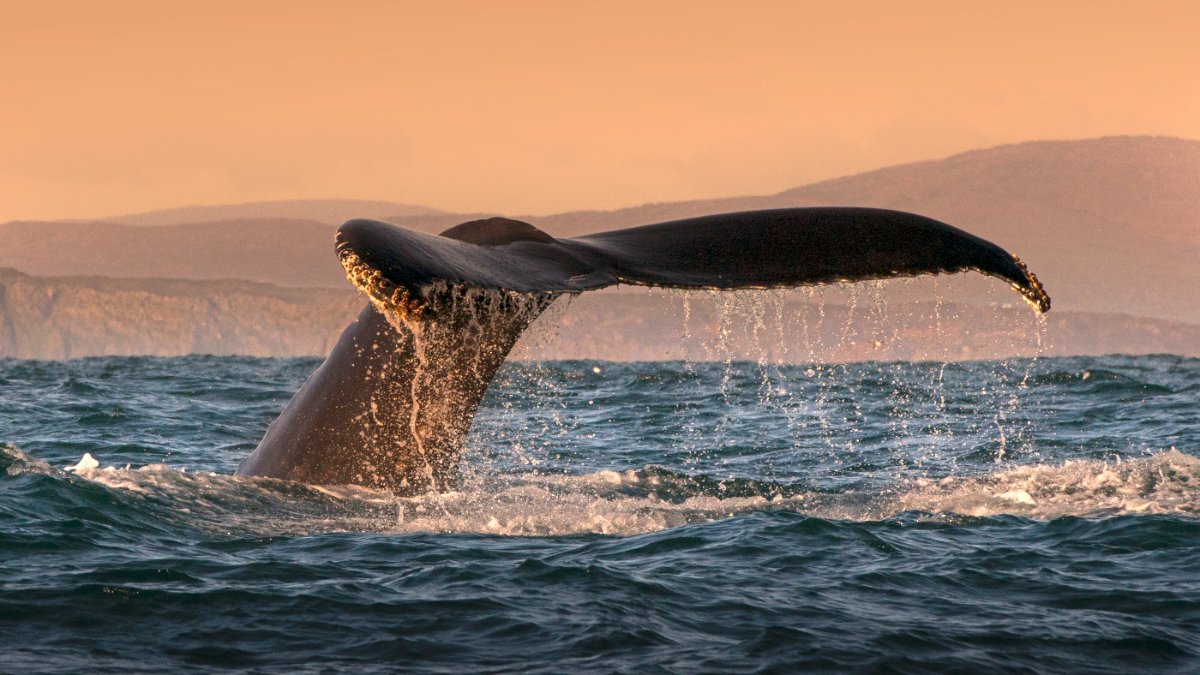
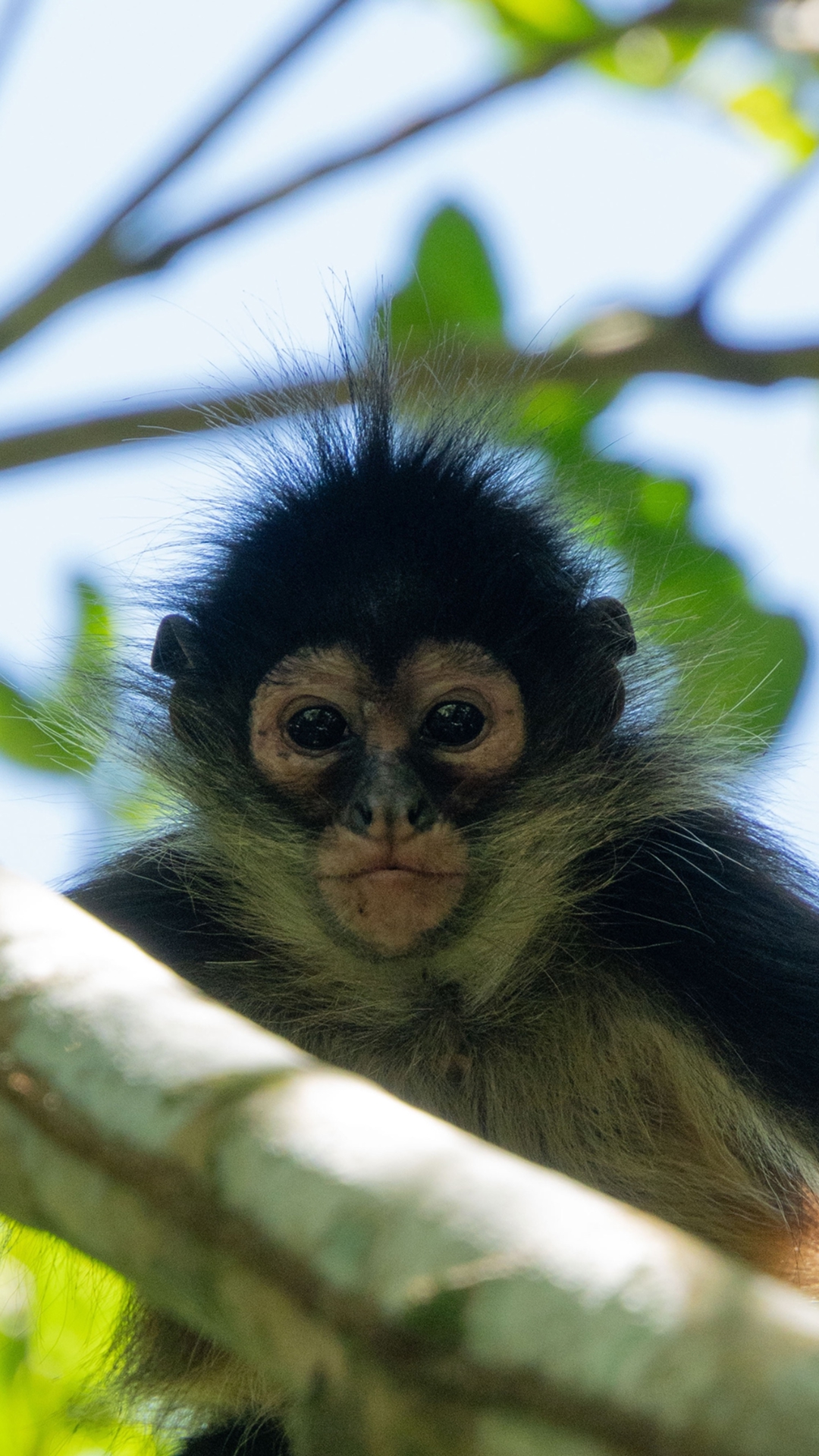
The spectrum is wide. At one end: a 4-hour jungle visit with an indigenous community protecting endangered spider monkeys in the Yucatán. At the other: a 10-day citizen science expedition in Mozambique, paddleboarding alongside humpback whales and collecting behavioural data for long-term research programs.
What they share:
- Your presence creates value beyond tourism revenue. You're collecting data, protecting habitat, or funding conservation that wouldn't happen otherwise.
- Local communities are central. The best programs are led by or deeply integrated with the people who live alongside these ecosystems.
- Impact is measurable. Species counts, behavioural data, habitat surveys — conservation trips produce outputs that scientists and conservationists actually use.
Why This Matters: The State of Wildlife in 2026
The numbers are stark.
The World Wildlife Fund's Living Planet Index shows that monitored wildlife populations have declined by an average of 73% since 1970. Habitat loss, climate change, poaching and human-wildlife conflict are the main drivers, and they're accelerating.
But here's what often goes unsaid: wildlife conservation is chronically underfunded at the grassroots level. The NGOs doing the most critical work, local organizations monitoring populations, protecting nesting sites, running community education programs often operate on shoestring budgets.
Wildlife conservation travel is one of the most direct ways to change that. When you book a citizen science expedition, you're not just having an experience. You're funding researchers. You're generating data. You're creating economic incentive for local communities to protect wildlife rather than compete with it.
The stakes are real. So is the impact.
What to Expect on a Wildlife Conservation Trip
The range of experiences
- Half-day and full-day experiences - community-led wildlife encounters where your visit funds local conservation and you engage directly with the ecosystem
- Multi-day expeditions - immersive citizen science programs where you join research teams for a week or more, collecting data contributing to long-term conservation studies
- Habitat restoration with wildlife focus - reforestation or rewilding projects aimed at recovering habitat for threatened species
Your role as a citizen scientist
On many wildlife conservation trips, you'll be contributing to citizen science, systematic data collection by non-professional volunteers, supervised by qualified researchers. This might mean:
- Recording whale behaviours and GPS positions during ocean safaris
- Counting primate groups and logging movement patterns through jungle canopies
- Surveying bird species in a protected forest reserve
- Photographing individual animals for population ID databases
This data is real. It feeds into peer-reviewed research, population assessments, and conservation management decisions. Your observations become part of the scientific record.
Two of the Best Wildlife Conservation Trips in 2026
🇲🇽 Spider Monkey Forest Visit with Mayan Community — Valladolid, Mexico
- Partner: Punta Laguna — Najil Tucha indigenous Maya cooperative
- Duration: 4 hours | From USD $80 per person
- Best for: Families, first-timers, travelers in the Yucatán
- Location: Punta Laguna Nature Reserve, near Valladolid (1hr from Cancún/Tulum)
- Skill level: All ages and fitness levels — fully customizable


Deep in the Yucatán jungle, about an hour from Cancún, Tulum and Playa del Carmen, lies Punta Laguna — one of Mexico's most remarkable stories of community-led conservation.
The reserve — known in Yucatec Maya as Otoch Ma'ax Yetel Kooh, meaning "The House of the Spider Monkey and the Puma/Jaguar" — has been consciously protected by its local indigenous Maya inhabitants since the 1950s. In 2002, the Mexican government officially declared it a Natural Protected Area. That same year, the 30 or so families living here established the Najil Tucha cooperative, which completely manages and operates the reserve and all tourism activities. Every peso you spend goes directly back to the families running it creating the economic foundation that makes conservation possible.
The reserve is home to a substantial population of endangered spider monkeys, howler monkeys, dozens of tropical bird species, and a rich diversity of plant life including ancient ceiba and sapodilla trees. Archaeological evidence suggests continuous Maya presence at the site for nearly 2,000 years and that history is woven into every part of the experience.

Your visit starts with a local Mayan guide who leads you through the jungle, sharing traditional knowledge of the forest, its plants and its animals. You'll spot spider monkeys in the wild along canopy trails, by canoe across the central lagoon, or with an optional zip-line through the forest. There's the option to rappel into a cenote (the crystal-clear sinkholes that defined Maya civilization), and for those who want it, a traditional Mayan purification ceremony.
This isn't a zoo. The monkeys are wild, the forest is real, and your visit directly supports the indigenous community whose conservation commitment has protected this habitat for generations.
- What you'll do: Jungle walk with Mayan guide, wildlife spotting (spider monkeys, howler monkeys, tropical birds), canoe on the lagoon, optional zip-line, optional cenote rappel, optional Mayan purification ceremony
- Includes: Private guide, zip-line equipment, canoe, cenote rappel (optional), sanctuary entry fees
- Family note: Children of all ages welcome. Tour runs in English and Spanish.
→ Book Spider Monkey Forest Visit in the Yucatán
🇲🇿 Whales and Waves: 10-Day Citizen Science Expedition — Jangamo Bay, Mozambique
- Partner: Love The Oceans - grassroots marine conservation organisation
- Duration: 10 days | USD $3,300 per person
- Dates: 29 July – 7 August 2026 | Max 8 people
- Location: Jangamo Bay, Mozambique — Mission Blue Hope Spot
- Skill level: Comfortable in the ocean; no scuba certification required
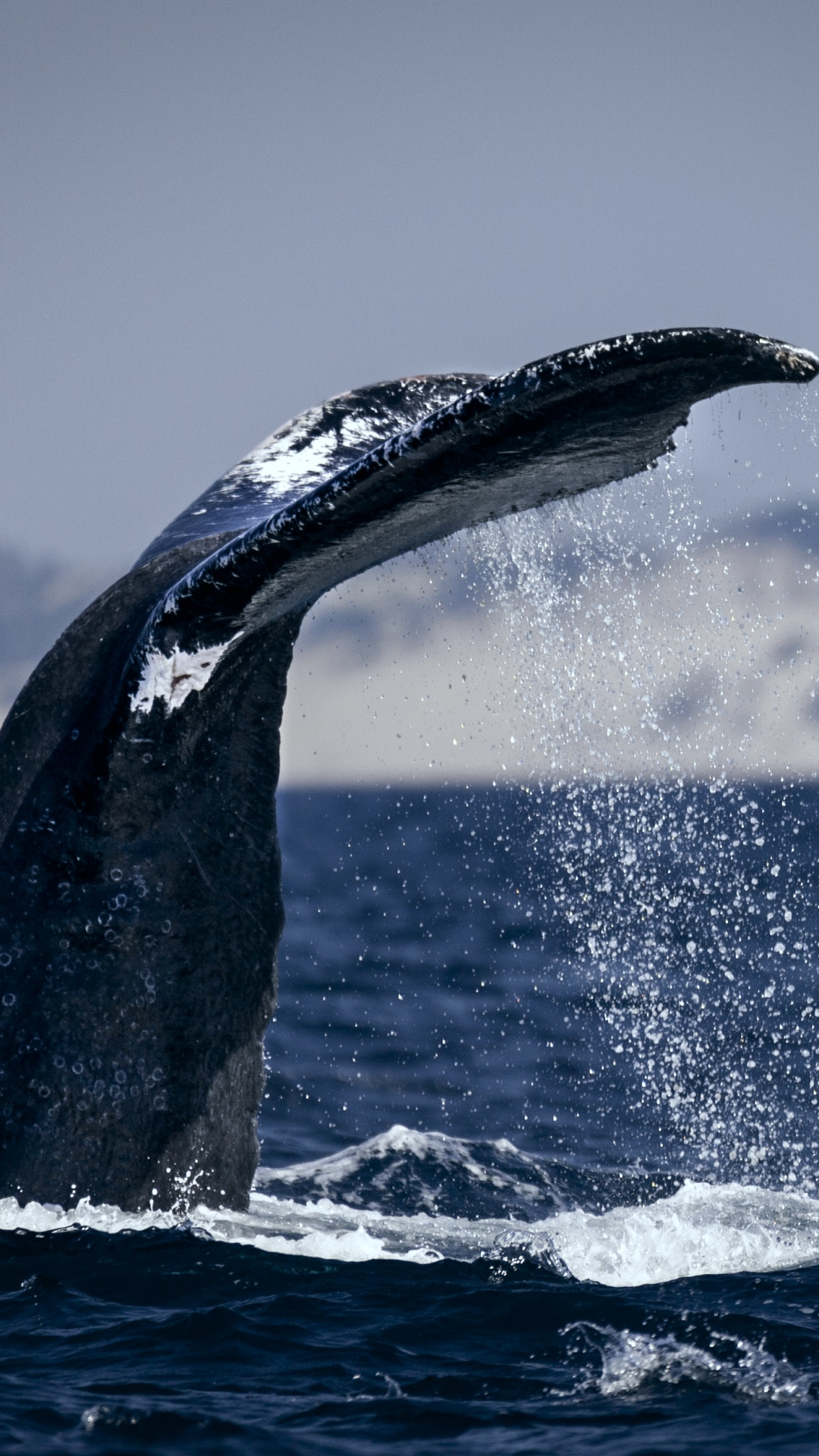
Jangamo Bay on Mozambique's southern coast is extraordinary. Recognised as a Mission Blue Hope Spot and designated by the IUCN as an Important Marine Mammal Area, it's one of the most productive humpback whale habitats on the planet. The bay's uniquely sheltered coastline creates calm waters that migrating humpbacks favour during breeding season — which means they come right up to the shore. You'll see them from your accommodation with your morning coffee.
You'll be based at Catalina — a private lodge with sunrise ocean views and a sundeck for sundowner cocktails — with your group as the only guests. Five minutes in a pickup truck to the launch site, and then you're out on the water with award-winning marine biologists from Love The Oceans, a grassroots conservation organisation that has been protecting Jangamo Bay for years.

The expedition is structured as citizen science. You're not just watching whales — you're collecting behavioural data: recording positions, logging group sizes, documenting interactions. That data feeds directly into Love The Oceans' long-term research program. You'll also explore estuaries on seahorse safaris, snorkel vibrant coral reefs, and paddleboard alongside cetaceans in waters that feel like nowhere else on Earth.
In the evenings: chef-prepared meals, talks on marine biology and conservation under the stars, and the company of seven other people who came here for exactly the same reason.
And the economics are clean: 100% of trip proceeds go directly to Love The Oceans, funding sustainable fishing programs, marine research, ocean education, gender equity initiatives, and community empowerment across the Jangamo Bay region.
- What you'll do: Guided ocean safaris (humpback whale observation + data collection), seahorse estuary safaris, reef snorkelling, paddleboarding with cetaceans, evening marine biology talks, cultural community engagement
- Includes: 9 nights accommodation (twin share), all meals with private chef, all excursions, airport transfers, snorkel kit, unlimited SUP sessions
- Book early: Maximum 8 people. Dates: 29 July – 7 August 2026.
→ Book Whales and Waves Expedition — Mozambique
How to Tell If a Wildlife Conservation Trip Is Legitimate
The demand for ethical wildlife travel has created a market for experiences that sound impactful but aren't. Here's how to separate genuine conservation programs from wildlife tourism with a green label.
✅ Green Flags
- Community ownership and revenue sharing — The best programs are run by and for local communities. Ask: who benefits economically from this trip? (At Punta Laguna, 100% stays with the Mayan cooperative.)
- Named scientific partnerships — Legitimate citizen science programs are affiliated with research institutions that publish their findings.
- Real data collection — If your observations are logged and used in a research program, that's a strong signal of legitimacy.
- Transparent impact reporting — Where does the money go? The best operators are specific. (Love The Oceans: 100% of proceeds fund named conservation projects.)
- Wild animals in wild habitats — Conservation travel should involve animals living freely in natural ecosystems — not in enclosures or habituated to performance.
🚩 Red Flags
- Interactions requiring handling, riding or close physical contact with wild animals
- "Sanctuaries" or "rescue centres" that breed animals for tourist encounters
- Programs with no named scientific partner or research output
- Vague impact claims ("we support conservation") with no specifics
- Wildlife that appears unusually habituated or confined
Who Wildlife Conservation Trips Are For
One of the biggest misconceptions about conservation travel is that it's only for hardcore adventurers or people with scientific backgrounds. It isn't.
The Punta Laguna experience is genuinely family-friendly — children of all ages are welcome, the guide speaks English and Spanish, and the experience is fully customisable. It's a 4-hour jungle adventure with real conservation value that happens to be one of the most memorable things you can do in the Yucatán.
The Mozambique expedition is designed for motivated travelers, not scientists. Love The Oceans trains you on data collection techniques before you go out on the water. You don't need scuba certification — just comfort in the ocean and a willingness to learn.
Between those two poles, there's a wildlife conservation experience for almost any traveler, any budget, any itinerary.
Frequently Asked Questions
What's the difference between a wildlife conservation trip and a regular safari?
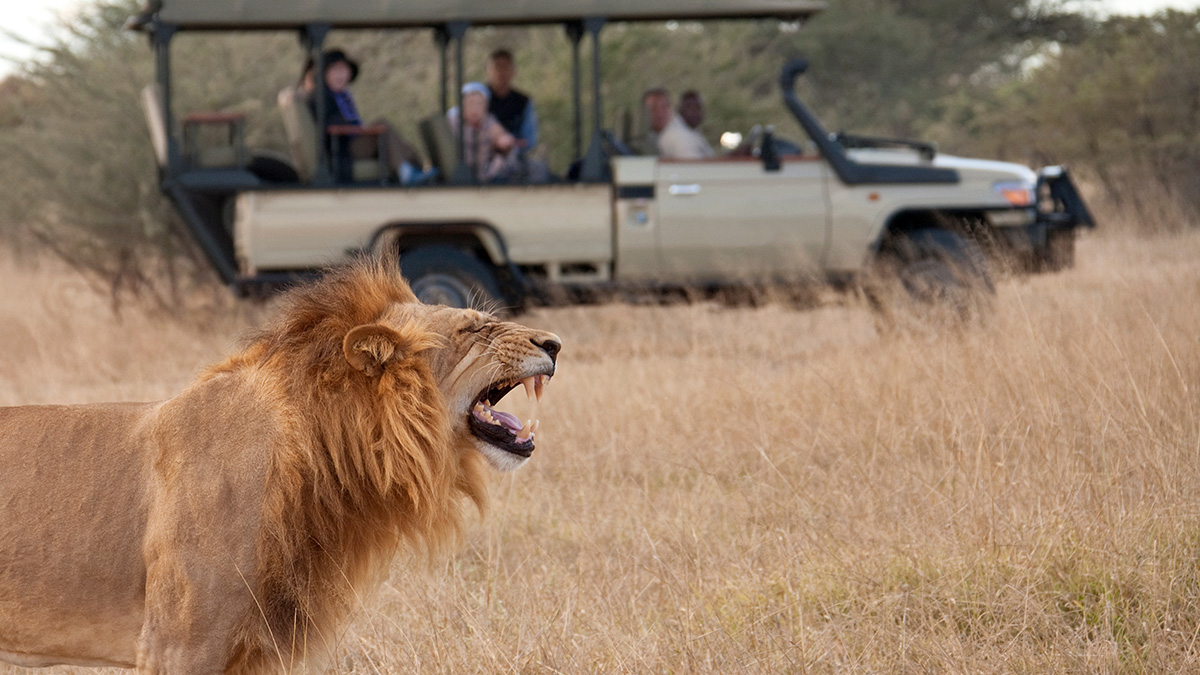
A traditional safari is observation-based — you watch wildlife from a vehicle or viewing platform. A wildlife conservation trip involves active contribution: data collection, habitat work, or community support that directly benefits the species and ecosystems you're visiting.
Do I need scientific experience?
No. Both experiences featured here are designed for motivated travelers with no prior conservation background. You'll be trained by qualified biologists and guides before any data collection begins.
Are wildlife conservation trips suitable for families?
Many are. The Punta Laguna spider monkey experience is family-friendly and welcomes children of all ages. The Mozambique expedition is better suited to adults and older teenagers given the 10-day duration and citizen science intensity.
How do I know my trip creates genuine impact?
Look for named conservation partners, transparent impact reporting, and real data collection. Canopi vets all partner organisations before listing their experiences and publishes impact data so you can see exactly what your booking contributes.
When is the best time to go?
For the Mozambique Whales and Waves expedition: the fixed dates are 29 July – 7 August 2026, during humpback whale migration season. For Punta Laguna in Mexico: year-round, though monkeys are most active in the mornings and the dry season (November–April) offers the most comfortable jungle conditions.
How is this different from a volunteer program?
Traditional volunteer programs often require 2–4 week minimum commitments and complex logistics. Canopi's conservation experiences are designed for travelers with shorter windows vetted, expertly led, and tied to measurable outcomes. No long-term commitment required to make a real difference.
Ready to Help Protect Wildlife?
The jaguar population in the Yucatán is recovering because communities like Punta Laguna chose conservation over extraction. Humpback whales return to Jangamo Bay every year because Love The Oceans is there to protect them.
Your trip can be part of that story.
Browse Canopi wildlife conservation experiences:
→ Browse all wildlife conservation experiences