
How to Book Sustainable Travel Experiences That Actually Make a Difference
You've decided you want to travel differently.
You want your trips to mean something to do more than sit lightly on the planet. You want to book experiences that actively restore what's being lost: coral reefs, rainforests, wildlife populations, coastal communities.
The problem? Most "sustainable travel" options are marketing, not impact. Eco-lodges with solar panels. Hotels donating 1% to unnamed charities. Safari operators who call themselves conservation-focused because they don't litter.
The harder problem is knowing where to look.
This guide walks you through exactly how to book genuine regenerative travel experiences — what to look for, what to avoid, and how to navigate Canopi's platform to find and book experiences where your trip creates measurable, lasting impact.
Real examples included. You can book all of them today.
The Problem With Sustainable Travel Booking
Here's the truth about most "eco travel" platforms: there's no standard.
Anyone can call themselves sustainable. There's no universal certification, no enforcement mechanism, no standardised definition of what "eco" or "green" actually requires. The result is a market where:
- A hotel puts bamboo straws in the rooms and calls itself sustainable
- A tour operator adds "responsible" to its name without changing its practices
- A booking platform lists experiences with green badges because the operator self-reported impact data
This isn't cynicism. It's the documented reality of greenwashing in the travel industry and it makes it genuinely hard to book experiences you can trust.
What you actually need is a platform that does the vetting for you. Where every experience listed has been reviewed, where the conservation partners are named and verifiable, where the economics are transparent, and where the impact is measurable. That's what Canopi is built to be.
What Makes a Regenerative Travel Experience Different
Before diving into how to book, it helps to understand what you're looking for. Regenerative travel sits above sustainable travel on the impact spectrum:
- Sustainable: do less harm
- Regenerative: actively restore and improve
(For the full breakdown, see our guide: Sustainable vs. Regenerative Travel — What's the Difference?)
A regenerative experience leaves the ecosystem measurably better than you found it. That might mean coral fragments you plant grow into living reef, whale behavioural data you collect feeds long-term research, or spider monkey habitats stay intact because your visit creates economic value for the communities protecting them.
The key signals of a genuinely regenerative experience:
- Named conservation partners. The operator works with a specific NGO, research institution, or community cooperative you can look up. Ocean Gardener. Love The Oceans. Najil Tucha cooperative. Named entities with track records.
- Transparent economics. Where does your money go? The best operators are specific: '100% of trip proceeds fund Love The Oceans research and community programs.' Not vague statements about 'supporting conservation.'
- Real data or output. If your participation generates something — data logged in a research program, coral planted and tagged, species logged — that's a strong signal. Your contribution doesn't end when you leave.
- Community ownership. The most impactful experiences are run by or deeply integrated with local communities whose livelihoods depend on the health of the ecosystems they protect.
- Wild animals in wild habitats. Conservation travel means animals living freely in their natural ecosystems. Not in enclosures, not performing, not habituated for photo opportunities.
How to Book on Canopi: Step by Step
Canopi is a booking platform exclusively for regenerative travel experiences — ocean restoration, wildlife conservation, and forest and habitat restoration. Every experience listed has been vetted by the Canopi team before it goes live.
Step 1: Browse by pillar or destination — Go to canopi.travel/experiences and filter by pillar (Ocean Restoration | Wildlife Conservation | Forest & Habitat), destination, duration (half-day to multi-day), or budget. If you have a trip already planned, filter by region first.
Step 2: Read the experience page in full — Each experience page tells you: the conservation partner, what you'll do, what's included, impact specifics (where your money goes), and who it's for (fitness level, age suitability, group size). Don't book on the headline alone.
Step 3: Book directly through the platform — Canopi operates a direct booking model. No travel agents. No middlemen taking a cut. You book, you pay, and the proceeds go where the experience page says they go.
Step 4: Receive your pre-trip information — After booking you'll receive detailed pre-trip logistics from Canopi and the experience partner — what to bring, how to prepare, travel logistics, and background on the conservation program you're joining.
Five Regenerative Experiences You Can Book Right Now
Here's a concrete look at what's available on Canopi today — across two pillars, three countries, and a range of budgets and time commitments.
Ocean Restoration
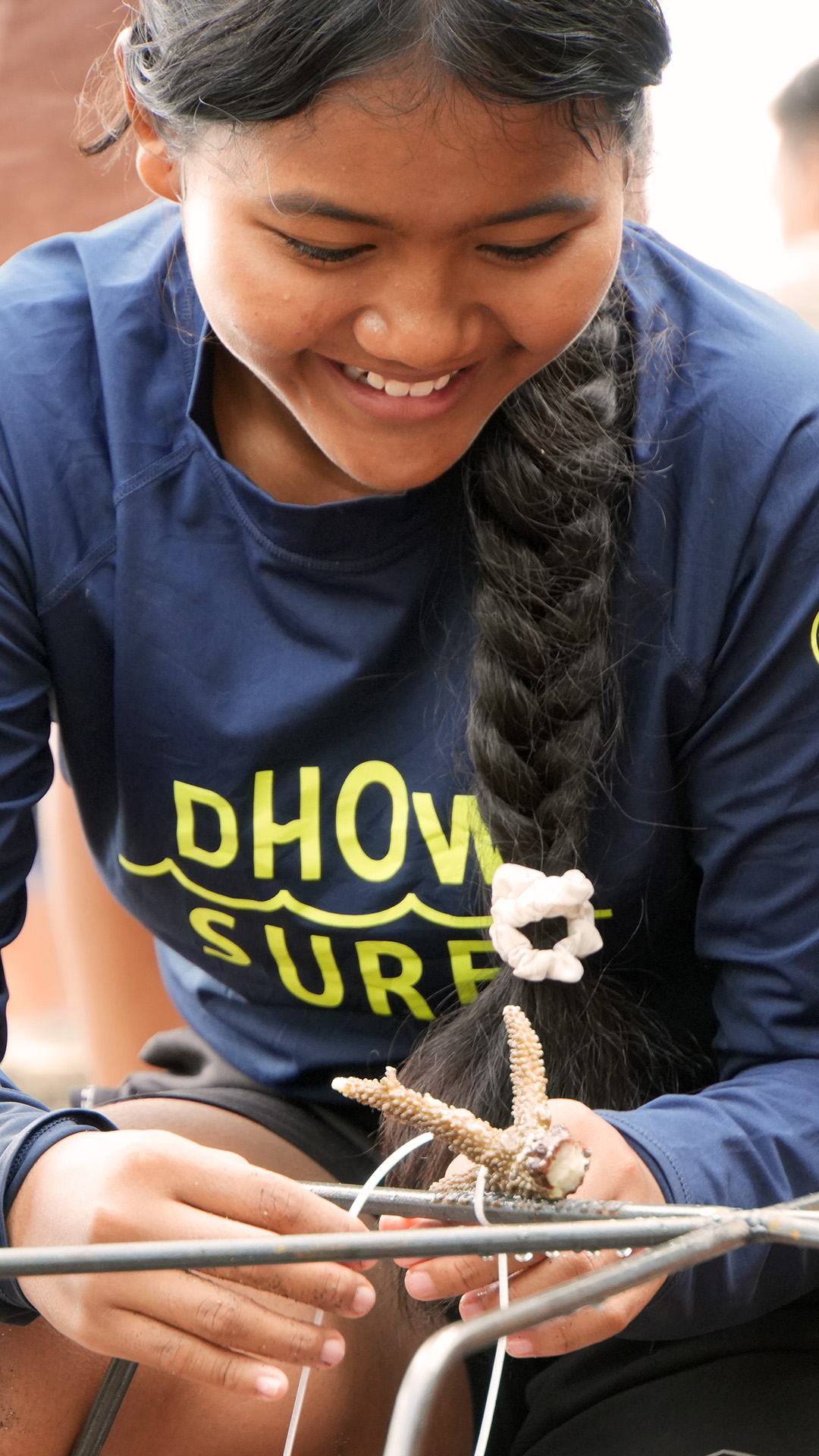
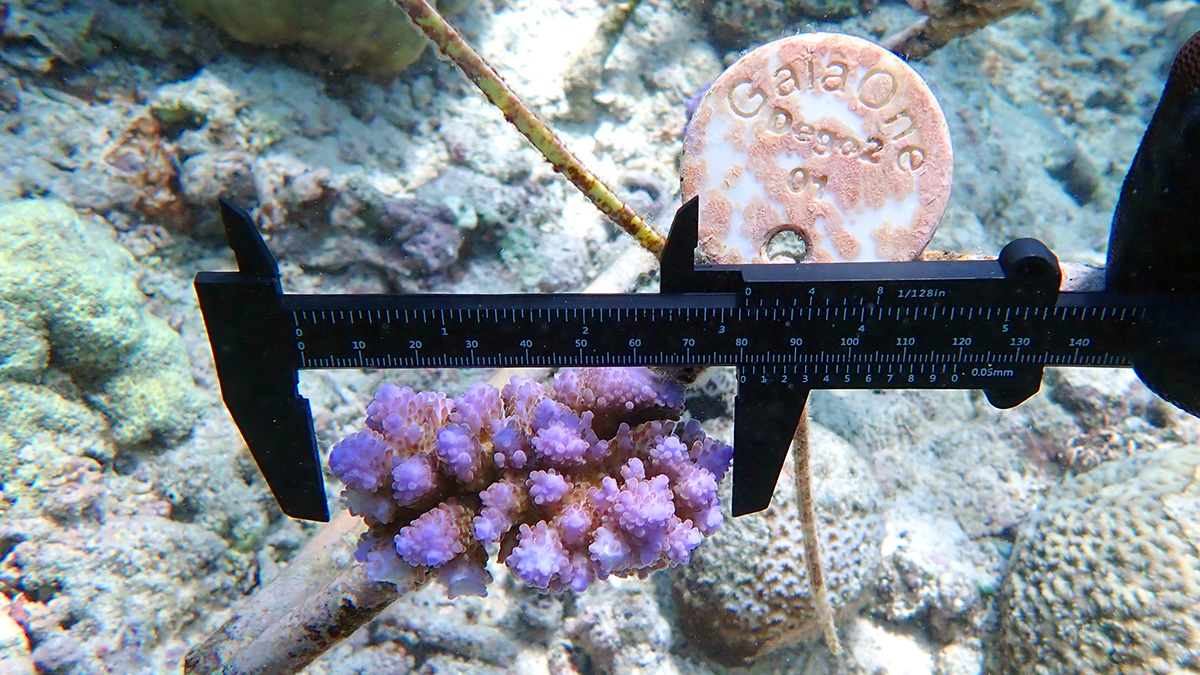
🇲🇾 Go Coral Workshop — Kota Kinabalu, Malaysia
Partner: Gaia One | Duration: 1 day | Price: From USD $40 per person | Best for: First-time conservation travelers, anyone visiting Borneo
This is one of the most accessible entry points into hands-on ocean restoration available anywhere.
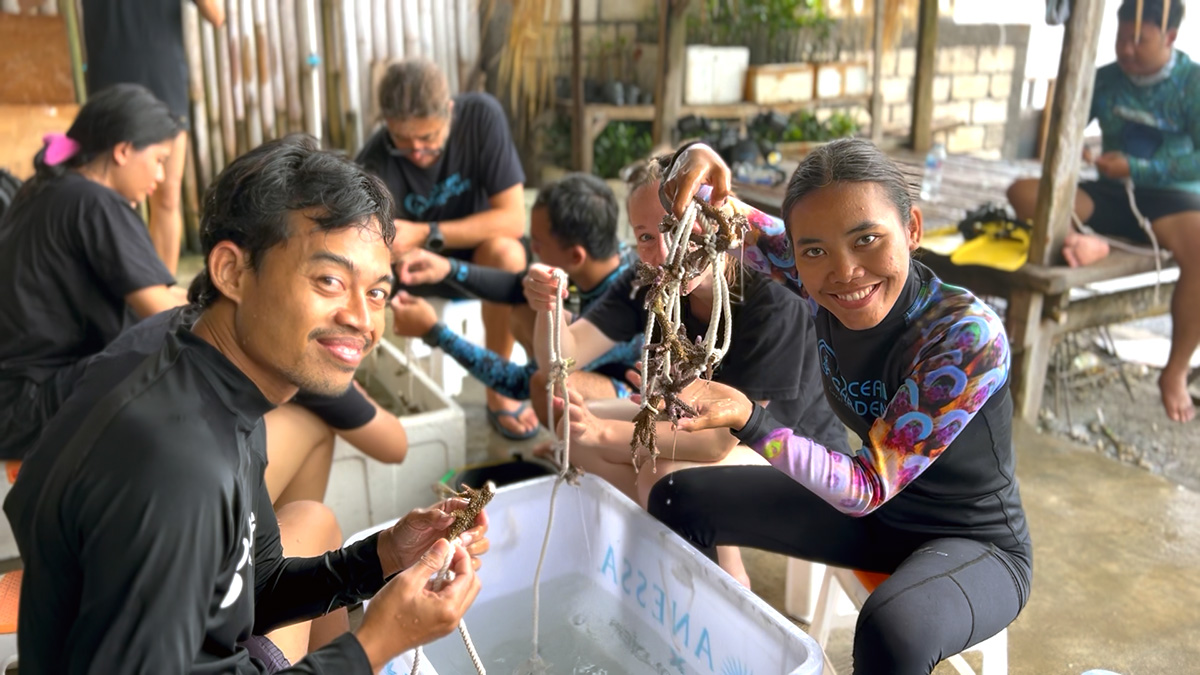
Kota Kinabalu sits on the northwest coast of Borneo, where the Coral Triangle — the world's most biodiverse marine region — begins. Gaia One runs coral restoration workshops in these waters, training participants to plant coral fragments using proven restoration techniques. It's a single day, the price point is genuinely affordable, and the skill requirement is basic snorkelling.
If you've never done conservation travel before and want to understand what it actually feels like to restore a reef, this is where to start.
What you'll do: Coral restoration workshop, hands-on fragment planting, guided marine conservation education


🇮🇩 Amed Coral Restoration Snorkel Tour — Bali, Indonesia
Partner: Ocean Gardener | Duration: 4 hours | Price: From USD $80 per person | Best for: Ocean lovers, travelers already visiting Bali, anyone comfortable in open water
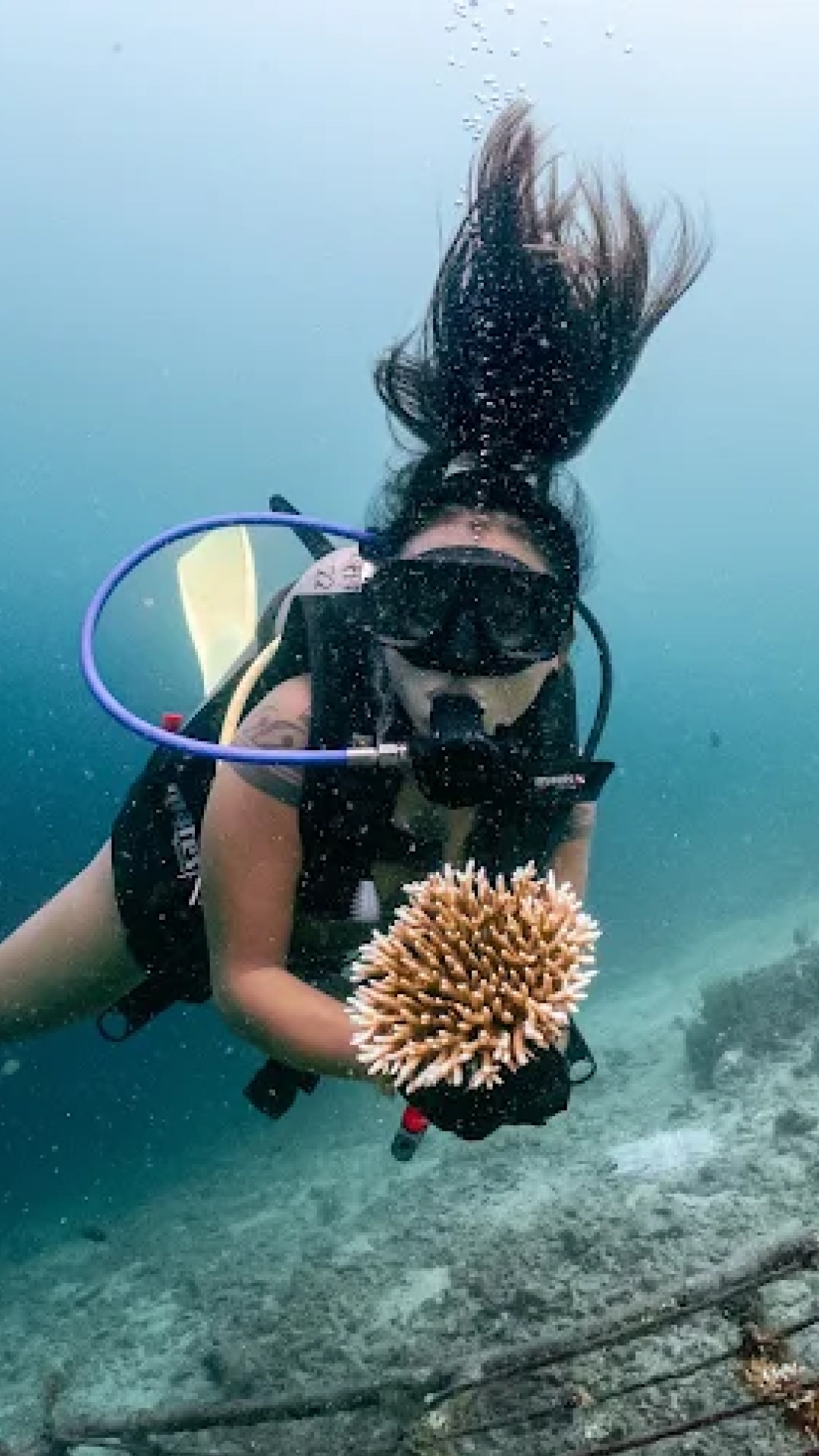
Amed is a quiet fishing village on Bali's northeast coast, far from the crowds of Kuta and Seminyak and home to some of the most actively restored coral reefs in Southeast Asia.
Ocean Gardener has spent years developing coral nursery techniques in Amed's waters, training local divers and building out restoration infrastructure that continues working long after any individual tour ends. On this 4-hour experience, you snorkel the nursery sites, learn the science behind coral fragmentation and transplantation, and plant coral directly onto the reef structures.
No scuba certification required, just confidence in the water.
What you'll do: Snorkel coral nursery sites, learn fragmentation and transplantation science, plant coral on reef structures
🇲🇽 Coral Reef Restoration Course — Cozumel, Mexico
Partner: CCRP (Coral Conservation Research Program) | Duration: Multi-day | Price: See experience page for pricing | Best for: Divers, serious ocean conservation travelers, anyone in the Yucatán
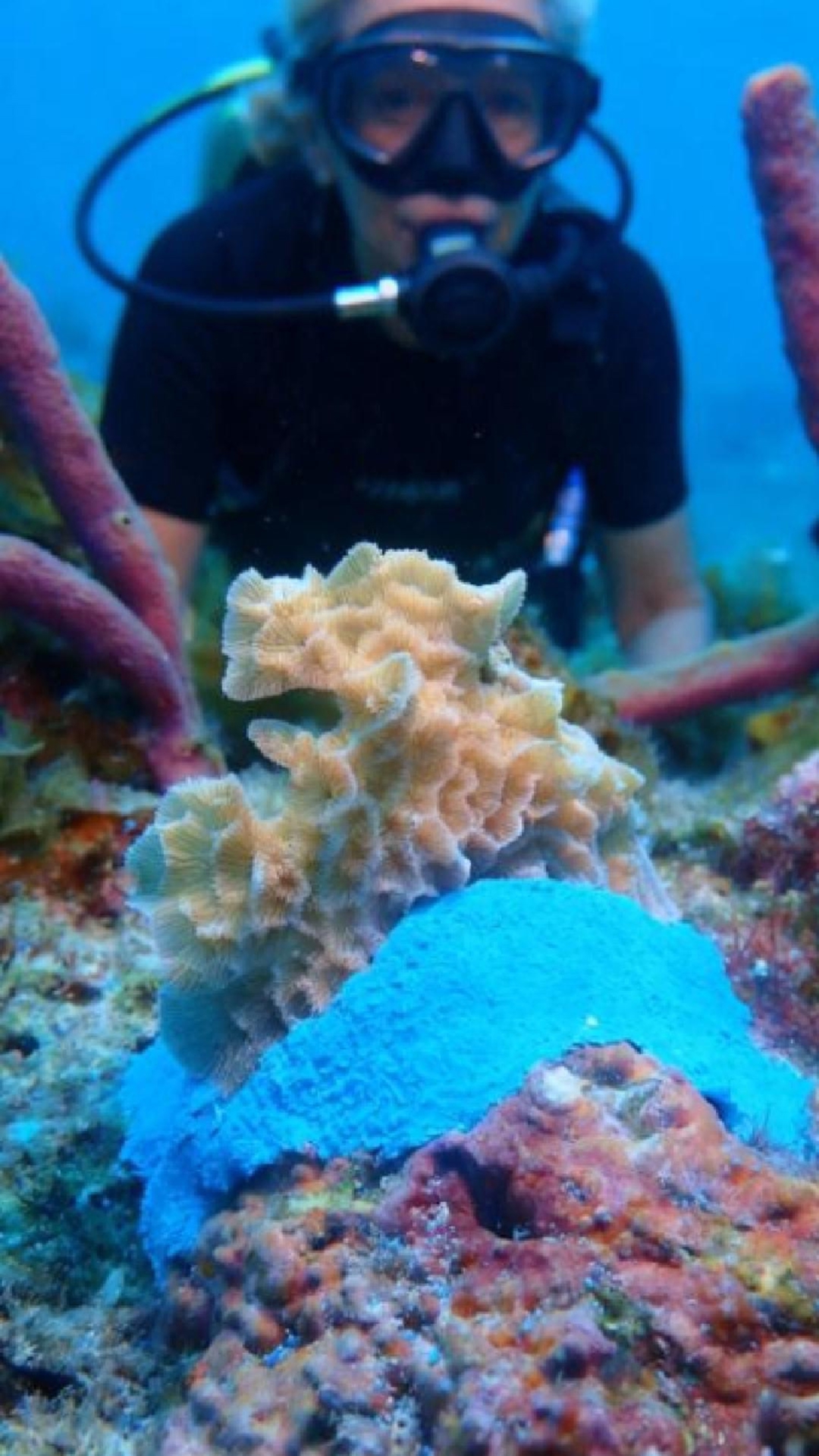
Cozumel sits within the Mesoamerican Reef — the second largest coral reef system in the world, and one under severe pressure from bleaching, disease, and storm damage.
CCRP runs multi-day coral restoration courses here, training participants in hands-on reef restoration techniques alongside experienced marine biologists. This is a deeper commitment than a half-day or single-day experience — and the impact reflects it.
If you're a diver, or if reef restoration is the reason you're traveling to Mexico, this is the experience to build your trip around.
What you'll do: Multi-day hands-on coral restoration training with marine biologists, dive-based reef restoration fieldwork
Wildlife Conservation (See the full guide to vetting wildlife conservation trips → Wildlife Conservation Trips That Actually Help)
🇲🇽 Spider Monkey Forest Visit — Punta Laguna, Yucatán, Mexico
Partner: Najil Tucha cooperative | Duration: 4 hours | Price: From USD $80 per person | Best for: Families, first-time conservation travelers, anyone in the Yucatán
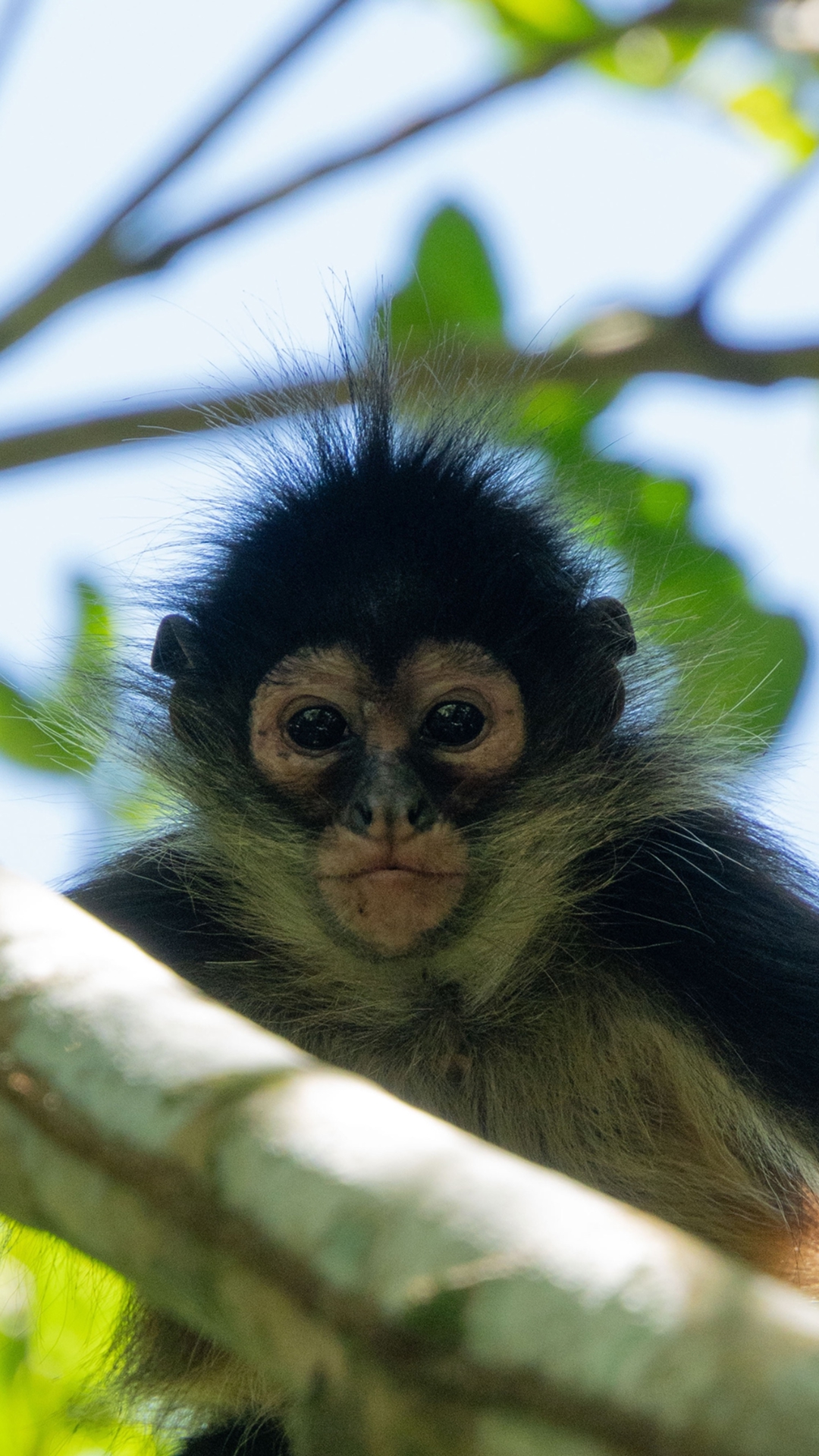
About an hour from Cancún, Tulum, and Playa del Carmen, Punta Laguna is one of Mexico's most quietly remarkable conservation stories.
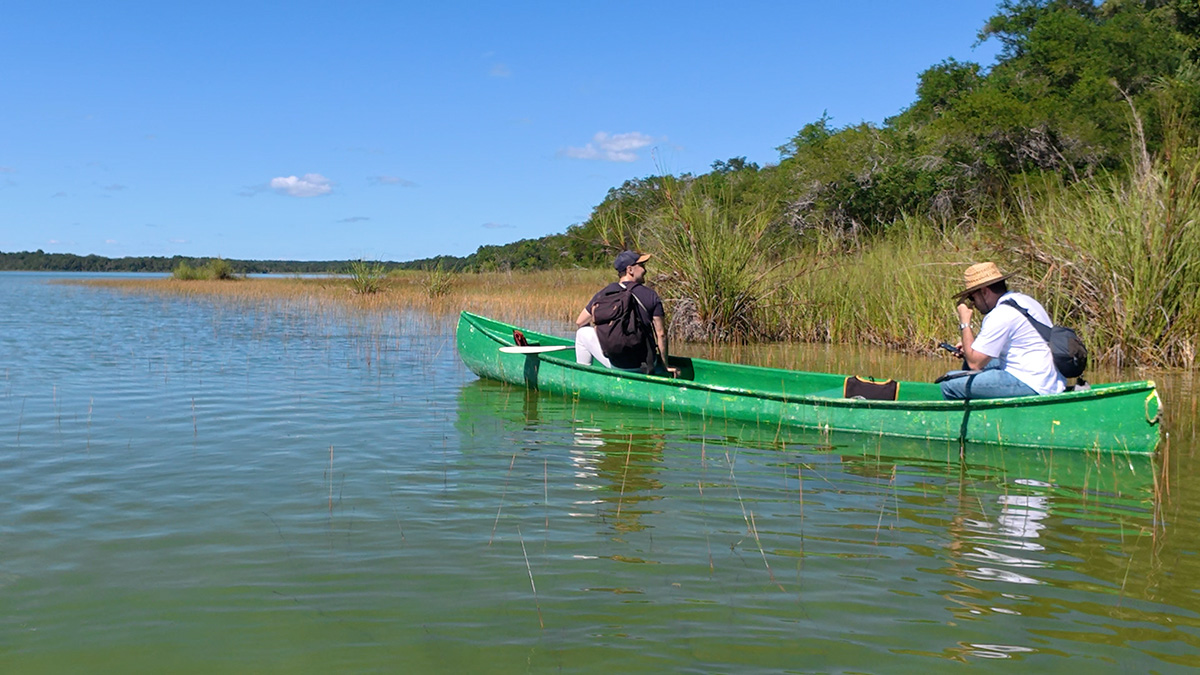
The reserve — protecting a substantial population of endangered spider monkeys, howler monkeys, and hundreds of tropical bird species — has been consciously managed by local indigenous Maya families since the 1950s. In 2002, they established the Najil Tucha cooperative: 30 families who operate all tourism and direct every peso earned back into conservation and community programs.
Your visit is a 4-hour guided jungle experience: wildlife spotting from canopy trails or by canoe on the central lagoon, with options to zip-line through the forest canopy, rappel into a cenote, or participate in a traditional Mayan purification ceremony. The monkeys are wild. The forest is real. Genuinely family-friendly — children of all ages welcome.
What you'll do: Guided jungle walk, wildlife spotting (spider monkeys, howler monkeys, tropical birds), canoe on lagoon, optional zip-line, optional cenote rappel, optional Mayan purification ceremony

🇲🇿 Whales and Waves: 10-Day Citizen Science Expedition — Jangamo Bay, Mozambique
Partner: Love The Oceans | Duration: 10 days | 29 July – 7 August 2026 | Max 8 people | Price: From USD $3,300 per person (all-inclusive) | Best for: Serious conservation travelers, anyone who has dreamed of swimming with humpback whales
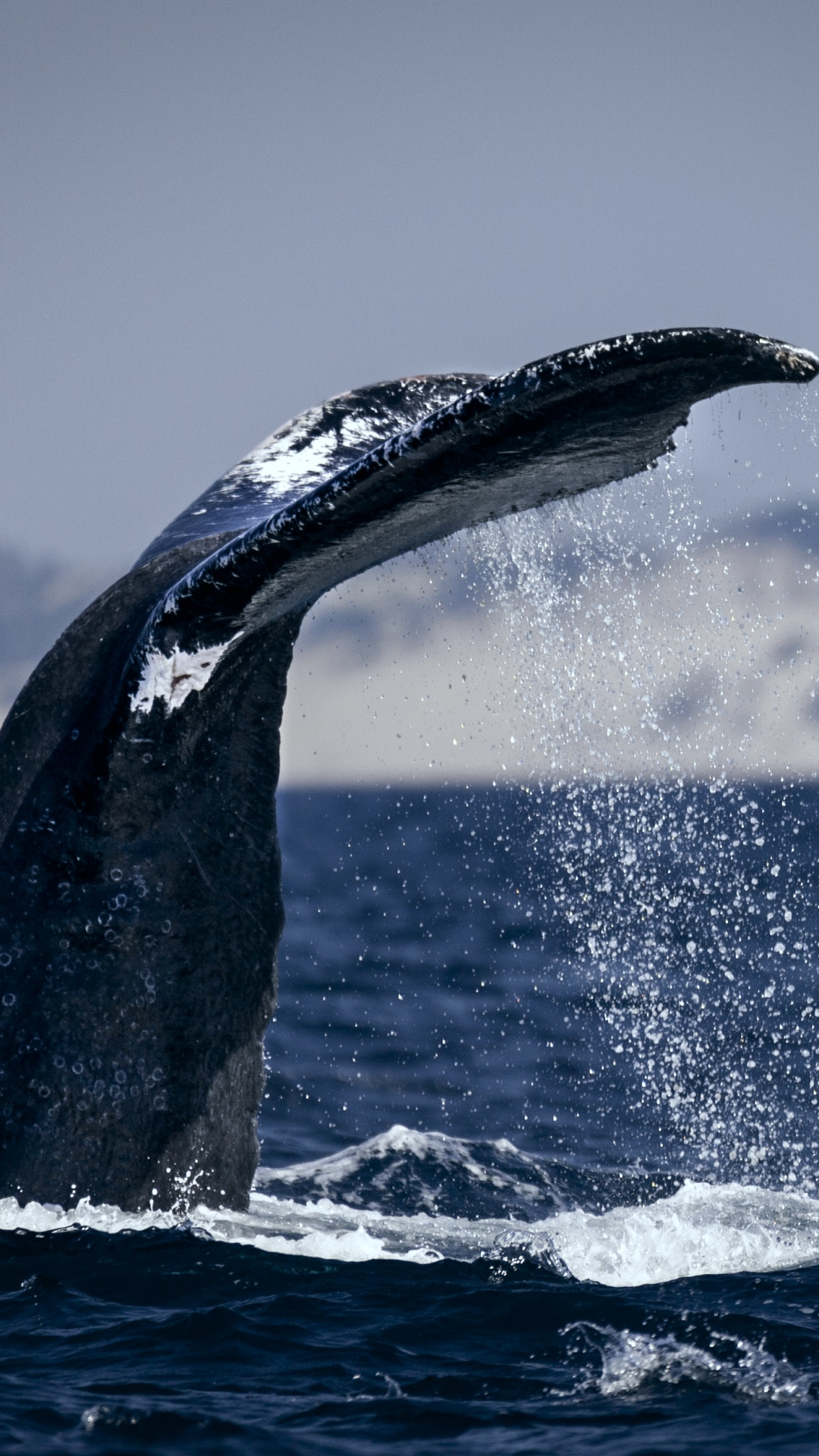
Jangamo Bay on Mozambique's southern coast is one of the most significant humpback whale habitats on the planet — recognized as a Mission Blue Hope Spot and designated an Important Marine Mammal Area by the IUCN. During breeding season, migrating humpbacks come right up to the shoreline.
You'll be based at Catalina, a private lodge with sunrise ocean views, as the only guests. Every day, you go out on the water with Love The Oceans' marine biologists — not just watching whales, but conducting structured citizen science: recording GPS positions, logging behavioural data, photographing individuals for ID databases. The data you generate feeds directly into long-term research.
100% of proceeds go directly to Love The Oceans — funding sustainable fishing programs, marine research, gender equity initiatives, and community empowerment across Jangamo Bay.
29 July – 7 August 2026. Maximum 8 people. Book early.
What you'll do: Guided ocean safaris (humpback whale observation and data collection), seahorse estuary safaris, reef snorkelling, paddleboarding with cetaceans, evening marine biology talks. Includes: 9 nights accommodation, all meals (private chef), all excursions, airport transfers, snorkel kit, unlimited SUP.
How to Choose the Right Experience for You
By budget:
- Under $50 - Go Coral Workshop — Kota Kinabalu, Malaysia ($40)
- $50–$100 - Amed Coral Restoration, Bali ($80) or Punta Laguna, Mexico ($80)
- $200–$500 - Cozumel CCRP Coral Restoration Course
- $3,000+ - Whales and Waves — Mozambique ($3,300 all-inclusive)
By time available:
- A few hours: Amed Coral Restoration, Punta Laguna, Mexico(both 4 hours)
- One day: Go Coral Workshop — Kota Kinabalu, Malaysia
- Multi-day course: Cozumel CCRP Coral Restoration Course
- Full expedition: Whales and Waves — Mozambique ($3,300 all-inclusive)
Traveling with family? Punta Laguna in Mexico is your standout family option, children of all ages welcome, English and Spanish guiding, and a genuinely memorable experience in one of the Yucatán's most intact jungle ecosystems.
Never done conservation travel before? The $40 Go Coral Workshop or $80 Amed snorkel tour are purpose-built entry points. Low barrier to entry, real impact, and a genuine introduction to what regenerative travel feels like.
Booking Checklist: What to Look For
✅ Green flags:
- Named conservation partner (not just 'local NGO')
- Explicit economic transparency ('X% of proceeds fund Y')
- Your participation generates a measurable output — data, planted coral, species logged
- Community ownership or deep local integration
- Wild animals in wild habitats
- Published impact data or research output
🚩 Red flags:
- Vague impact language ('we support conservation')
- No named scientific or conservation partner
- Wildlife in enclosures or performing for tourists
- Handling, riding, or forced physical contact with animals
- No specifics on where money goes
All experiences listed on Canopi have been reviewed against these criteria before being published. For a full breakdown of which operators meet this standard, see Best Regenerative Travel Companies 2026.
Frequently Asked Questions
Do I need to be an expert to participate?
No. Most experiences are designed for motivated travelers with no prior conservation background. You'll be trained by qualified guides, biologists, or community experts on arrival.
Do I need scuba certification?
Not for most experiences. The Amed snorkel tour and Go Coral Workshop require basic snorkelling confidence, not scuba certification. The Mozambique expedition involves snorkelling and paddleboarding. Some Cozumel programs may require dive certification — check individual experience pages.
Are these suitable for children?
Many are. Punta Laguna in Mexico is fully family-friendly and welcomes children of all ages. The Mozambique expedition is better suited to adults and older teenagers given the 10-day duration and intensity.
How far in advance should I book?
For the Mozambique expedition: as far in advance as possible — maximum 8 participants, specific July 29 – August 7 dates. For Amed or Kota Kinabalu, a few weeks' notice is typically sufficient.
What does my booking actually fund?
Each experience page specifies this explicitly. For Mozambique: 100% funds Love The Oceans' research and community programs. For Punta Laguna: all revenue goes to the 30 Maya families of the Najil Tucha cooperative. Explicit economics are a Canopi listing requirement.
Can I combine multiple experiences in one trip?
Yes. If you're in Mexico, combine Punta Laguna (Yucatán) with the Cozumel coral restoration course. In Southeast Asia, the Kota Kinabalu workshop plus the Amed Bali tour makes an excellent ocean restoration itinerary.
Ready to Book?
The experiences above are available right now.
$40 to $3,300. Four hours to ten days. Coral reefs, spider monkey forests, and humpback whale migrations. Three countries, multiple ecosystems, and a community of operators who built their work on the conviction that travel should restore what it touches.
That's what regenerative travel looks like. And it's bookable.
Browse all experiences → canopi.travel/experiences